

African markets are entering a period of significant transformation.
Population growth, urbanization, technology, changing consumer habits, expanding trade, and the rise of a younger generation of entrepreneurs are reshaping how goods and services are produced, sold, and consumed across the continent. Markets that once depended heavily on physical locations and traditional trading relationships are increasingly becoming connected to digital platforms, mobile payments, logistics networks, and regional supply chains.
The future of African markets will not be defined by one major change. Instead, it will emerge from several developments happening at the same time.
A More Connected African Consumer
African consumers are becoming increasingly connected.
Smartphones, social media, mobile applications, and digital payment systems have changed how people discover products and interact with businesses. Consumers can compare options, read reviews, communicate directly with sellers, and purchase products without necessarily visiting a traditional store.
This means businesses will increasingly need to understand customers across both physical and digital environments. A retailer may have a physical shop, an online store, a social media presence, and a delivery network. Rather than operating separately, these channels can become part of one connected customer experience.
Digital Commerce Will Continue to Expand
E-commerce is likely to become an increasingly important part of African markets.
Consumers are becoming more comfortable ordering products online, while businesses are finding new ways to reach customers beyond their immediate geographical areas.
However, African e-commerce will develop according to local realities.
Flexible payment options, mobile-first platforms, social commerce, reliable delivery services, and convenient collection points may be particularly important. Businesses that understand these realities can create digital shopping experiences that are better suited to local consumers.
As digital access improves, markets can also become more competitive because consumers gain access to a wider range of sellers and products.
Mobile Payments Will Transform Transactions
The growth of mobile money and digital payments is changing the way people participate in the economy. For consumers, digital payments can make transactions faster and more convenient. For businesses, they can create better records, simplify transactions, and make it easier to serve customers who prefer cashless options.
Digital financial services may also help more small businesses participate in formal economic activity and access financial products.
As payment systems become more integrated with commerce, banking, transportation, delivery, and other services, the boundaries between financial services and everyday shopping will continue to become less distinct.
Regional Trade Will Become More Important
One of the biggest opportunities for African markets is greater intra-African trade.
Businesses that once focused primarily on local customers can increasingly explore regional markets. Manufacturers, farmers, technology companies, retailers, and service providers can potentially reach customers across national borders.
The African Continental Free Trade Area provides a framework for increasing trade and economic integration across the continent.
As trade barriers are gradually addressed and logistics networks improve, African businesses may find more opportunities to source materials from neighboring countries and sell products to larger regional markets.
Logistics Will Become a Competitive Advantage
Markets cannot grow efficiently if goods cannot move efficiently.
Transportation costs, delivery delays, poor infrastructure, and complicated supply chains can increase the price of products and limit market access.
Future growth will therefore depend partly on improvements in logistics. Technology can help businesses track shipments, manage inventory, optimize delivery routes, and communicate with customers. Warehousing and fulfillment systems may also become more sophisticated as e-commerce expands.
For businesses operating across multiple countries, efficient logistics could become one of the most important competitive advantages.
African Cities Will Drive Consumer Growth
Urbanization will play a major role in the evolution of African markets. As cities grow, demand for housing, transportation, food, healthcare, education, entertainment, financial services, and consumer products will also increase.
This creates opportunities for businesses that can understand the needs of rapidly growing urban populations.
At the same time, cities will face challenges such as congestion, inadequate infrastructure, waste management, housing shortages, and pressure on public services. The businesses that help solve these problems could become important players in the next generation of African markets.
The Informal Economy Will Remain Important
The future of African markets will not simply be about replacing traditional commerce with digital commerce. Informal traders, neighborhood shops, open markets, artisans, street vendors, and small-scale producers remain essential parts of many African economies.
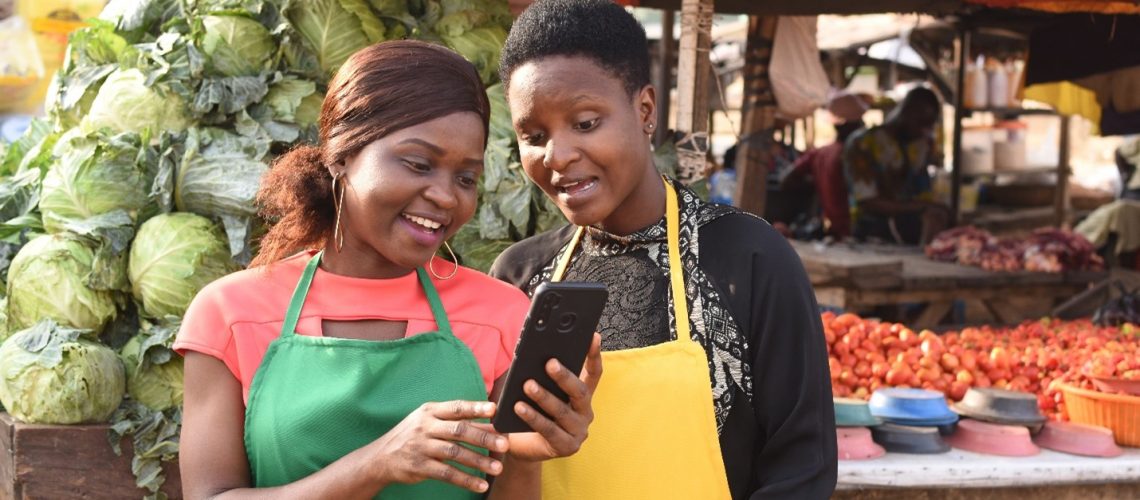
Instead of disappearing, many of these businesses may increasingly adopt digital tools. A market trader may use mobile payments. A small retailer may advertise through social media. A food seller may receive orders through messaging platforms. A local entrepreneur may use digital bookkeeping to manage the business.
The result could be a gradual blending of traditional commerce with modern technology.
Young Entrepreneurs Will Shape New Markets
Africa’s young population represents one of the continent’s greatest economic opportunities. Young entrepreneurs are building businesses in technology, agriculture, fashion, logistics, entertainment, financial services, healthcare, education, and other sectors.
Many are also creating businesses around problems that previous generations struggled to solve efficiently.
Access to finance, mentorship, infrastructure, education, and supportive policies will be important in helping these entrepreneurs turn ideas into sustainable businesses.
The growth of entrepreneurship could also create new jobs and introduce new products and services into African markets.
Local Production Could Become More Valuable
African countries have significant opportunities to strengthen local manufacturing and production. Producing more goods locally can reduce dependence on imports, create employment, support domestic industries, and develop stronger supply chains.
This does not mean that African economies will stop trading internationally. Instead, the goal can be to participate more effectively in global and regional value chains while increasing local value addition.
Agriculture provides a major opportunity. Instead of exporting only raw agricultural products, countries can invest in processing, packaging, storage, and manufacturing.
This can create additional economic value and employment.
Sustainability Will Influence Consumer Choices
Environmental concerns are becoming increasingly relevant to consumers and businesses. Climate change, waste, pollution, water shortages, and resource constraints will encourage companies to reconsider how they produce and distribute goods.
Businesses may increasingly invest in renewable energy, sustainable packaging, recycling, efficient transportation, and environmentally responsible production.
Consumers may also become more interested in products that are durable, locally produced, reusable, or environmentally responsible.
Sustainability will therefore increasingly become both an environmental issue and a business consideration.
Data Will Become More Valuable
Data will play a growing role in understanding African markets. Businesses can use customer information, purchasing patterns, market research, and digital activity to identify trends and make better decisions.
For example, a retailer can use sales information to determine which products are most popular in a particular location. A logistics company can analyze delivery patterns to improve routes. A manufacturer can study demand to plan production.
However, responsible data management will be essential. Businesses must protect customer information and use data transparently.
Artificial Intelligence Will Create New Possibilities
Artificial intelligence could influence many parts of African commerce. Businesses may use AI to forecast demand, improve customer service, analyze markets, personalize recommendations, detect fraud, automate administrative tasks, and optimize supply chains.
Small businesses may also gain access to tools that were previously available mainly to large corporations.
However, technology alone will not solve structural challenges. Reliable infrastructure, affordable internet access, digital skills, and appropriate regulations will remain important.
Consumers Will Demand Better Value
As markets become more competitive, consumers will have more choices. This will put pressure on businesses to provide better value rather than simply increasing prices or relying on brand recognition.
Value can come from affordability, quality, convenience, reliability, customer service, product variety, or after-sales support. Businesses that listen to customers and adapt quickly are likely to be better positioned as competition increases.
What the Future Could Look Like
The African market of the future is likely to be more connected, more digital, more regional, and more consumer-driven. A customer could discover a locally manufactured product through social media, pay digitally, receive it through a regional logistics network, and provide feedback that helps the manufacturer improve the next version.
At the same time, traditional markets and neighborhood businesses will continue serving millions of consumers, increasingly supported by digital tools.
The most successful businesses may be those that understand how to combine Africa’s existing commercial traditions with new technology.
Conclusion
African markets are not simply moving from traditional commerce to modern commerce. They are developing their own unique combination of physical markets, digital platforms, informal businesses, formal enterprises, local production, and regional trade.
The evolution will bring challenges, including infrastructure gaps, unequal access to technology, regulatory differences, financing difficulties, and intense competition.
But it will also create enormous opportunities. Businesses that understand African consumers, invest in innovation, strengthen their supply chains, embrace responsible technology, and adapt to changing customer expectations will be better prepared for the future.
The next chapter of African commerce will ultimately be shaped by how effectively businesses, governments, entrepreneurs, and consumers turn the continent’s growing economic potential into practical opportunities.
