

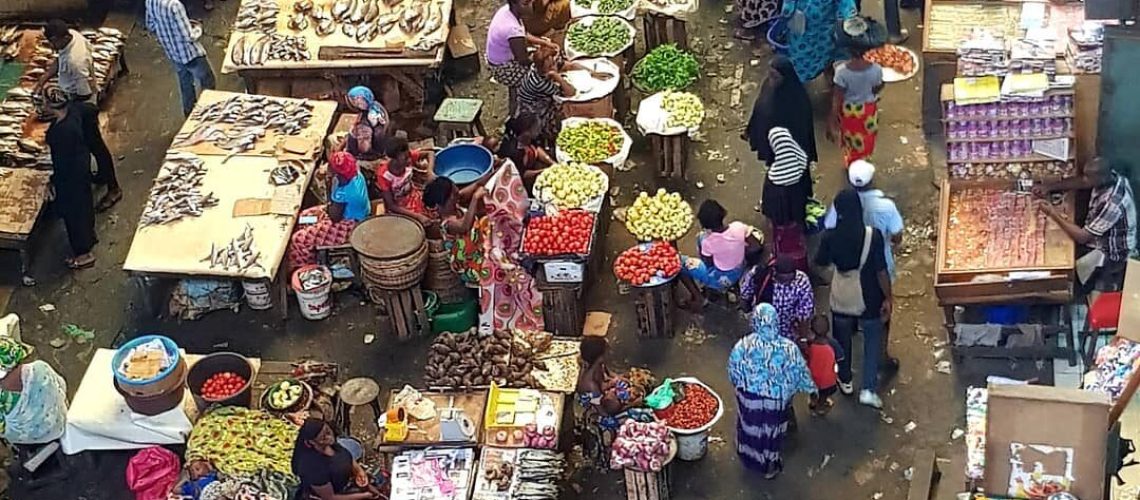
Retail competition across Africa is changing quickly.
Traditional markets, independent shops, roadside sellers, supermarkets, online stores, and social commerce businesses now operate within the same consumer environment. Customers have more choices than ever. They can compare prices, switch suppliers, order products online, or visit a nearby market before making a purchase.
For African traders, this changing environment presents both challenges and opportunities. Many small retailers cannot compete with large chains on store size, advertising budgets, or purchasing power. However, they often have something larger businesses struggle to replicate: strong customer relationships, local knowledge, flexibility, and an understanding of community needs.
Rather than disappearing, many traders are adapting. They are changing how they source products, communicate with customers, set prices, accept payments, and deliver goods.
Understanding the New Retail Competition
Retail competition in Africa is no longer limited to neighbouring shops.
A trader selling clothing in Lagos may compete with another seller in the same market. However, that trader may also compete with Instagram vendors, online marketplaces, imported products, shopping malls, and sellers operating through WhatsApp.
The growth of digital commerce has made geographical boundaries less important. A customer can discover a product on social media, ask for the price through WhatsApp, make a transfer, and receive delivery without visiting a physical shop.
At the same time, supermarkets and organised retailers continue to expand their presence in many African cities. These businesses often offer structured shopping environments, branded products, promotions, loyalty programmes, and standardised pricing.
This does not automatically make traditional traders irrelevant. Instead, it forces them to reconsider how they create value.
Traders Are Becoming More Customer-Focused
One major response to increased competition is a stronger focus on customer relationships.
Traditional traders have long depended on personal relationships. Customers may return to the same food seller, tailor, electronics dealer, or market trader because they trust the person’s judgement.
Competition is encouraging traders to strengthen these relationships further.
Some sellers now keep customer contacts and send messages when new products arrive. Others offer personalised recommendations based on what customers previously bought.
For example, a fashion seller may inform a regular customer when new styles arrive in their preferred size. A foodstuff trader may notify households when prices change or when a particular product becomes available.
These simple practices can encourage repeat purchases.
Social Media Is Becoming a Shop Window
Social media has become an important tool for small retailers.
Platforms such as Instagram, Facebook, TikTok, and WhatsApp allow traders to display products without paying for a large physical storefront. A trader can photograph new stock, publish the images, answer questions, and arrange delivery.
This is especially useful for businesses selling fashion, beauty products, food, furniture, electronics, and household goods.
WhatsApp is particularly useful because it combines communication and commerce. Traders can create product catalogues, respond to enquiries, send prices, and maintain customer relationships through a platform many customers already use.
As a result, some traders are developing a hybrid model. They maintain their physical shops while using digital platforms to attract customers.
Traders Are Competing Through Convenience
Price is important, but convenience is another major factor.
A customer may be willing to pay slightly more if a trader makes purchasing easier. This has encouraged some African retailers to offer delivery, home drop-offs, pre-orders, reservations, and customised packages.
Consider a busy professional who needs groceries. Instead of spending hours in a market, the customer may send a shopping list to a trusted trader. The trader prepares the items and arranges delivery.
This model transforms the trader from simply a seller into a service provider.
Convenience can become a competitive advantage, particularly in large African cities where traffic and long working hours can make physical shopping difficult.
Bulk Buying Helps Traders Manage Prices
Small retailers often face higher purchasing costs than large chains because they cannot always buy products in large quantities.
Some traders are responding by forming informal buying groups.
Several retailers may combine their purchasing power to buy products in bulk from wholesalers or manufacturers. This can help them negotiate better prices and reduce transportation costs.
For example, independent food sellers can cooperate when purchasing bags of rice, cartons of beverages, cooking oil, or packaged foods. Instead of each trader arranging separate transportation, they can coordinate deliveries.
This approach can help smaller businesses compete without completely changing their business model.
Traders Are Diversifying Their Products
Another common response is product diversification.
A trader who previously sold only one category of goods may begin offering complementary products. A phone accessories seller may add chargers, earphones, screen protectors, and repair services. A clothing seller may introduce bags, shoes, jewellery, or perfumes.
Diversification can increase the value of each customer visit.
It can also reduce dependence on a single product category. When demand falls for one product, another category may help support the business.
However, diversification requires careful stock management. Carrying too many products can tie up money in slow-moving inventory.
Local Knowledge Remains a Major Advantage
Large retailers often have stronger purchasing systems, but local traders possess something equally valuable: knowledge of their customers.
A market trader may understand which products residents prefer, when demand increases, and which price points customers can afford.
This knowledge can help traders respond quickly.
For instance, a seller in a neighbourhood may notice that families are buying smaller quantities because household budgets are under pressure. The trader can respond by creating smaller packages.
Another seller may notice increased demand for affordable locally produced alternatives and adjust their inventory.
This ability to respond to local conditions gives independent retailers flexibility.
Traders Are Improving Their Payment Options
Payment methods are also changing.
Cash remains important across many African markets, but digital payments have expanded significantly. Bank transfers, mobile money, point-of-sale terminals, payment links, and other electronic options allow traders to serve customers who do not carry cash.
Offering multiple payment options can reduce friction during transactions.
It can also support online selling. A customer who discovers a product through social media does not necessarily need to visit the shop before completing the purchase.
However, traders must remain aware of transaction charges, network failures, fraud risks, and the need to confirm payments carefully.
Better Presentation Is Becoming More Important
Competition has also changed how traders present their businesses.
Customers increasingly compare not only prices but also appearance, packaging, product information, and service quality.
Some small retailers are therefore investing in better packaging, clearer product photographs, branded bags, business cards, signage, and organised displays.
These changes can make a small business appear more professional without requiring a major investment.
For food sellers, clean packaging and proper labelling can influence customer confidence. For fashion retailers, attractive photographs can make products easier to market online.
Customer Loyalty Is Becoming More Valuable
Large retailers can attract customers through promotions, advertising, and variety. Small traders often respond by building loyalty.
Some offer discounts to regular customers. Others provide small bonuses, flexible arrangements, early access to new products, or personalised service.
The goal is not simply to make one sale.
A loyal customer can become a repeat buyer and may recommend the trader to friends, relatives, colleagues, or neighbours.
In communities where personal recommendations carry significant weight, this can be an important source of business.
The Role of Traditional Markets Is Changing
Traditional markets are not necessarily being replaced by modern retail. Instead, their role is evolving. Markets continue to provide affordable goods, product variety, bargaining opportunities, and direct access to wholesalers and producers. They also remain important social and economic spaces in many African communities.
However, traders operating in these markets increasingly have to combine traditional practices with modern tools.
A market seller can have a physical stall while maintaining a WhatsApp customer list. A wholesaler can supply nearby retailers while also accepting digital orders. A clothing trader can display products at a market and sell the same items through social media.
The boundaries between traditional and modern retail are becoming less distinct.
Competition Can Encourage Innovation
New retail competition creates pressure, but it can also encourage innovation. Traders who once relied entirely on walk-in customers are experimenting with digital marketing. Sellers who operated individually are exploring group purchasing. Businesses that focused only on products are adding delivery and customer service.
These changes show that African retail is not simply moving from traditional markets to modern stores. It is developing into a mixture of physical, digital, formal, and informal systems.
The most important response for many traders is adaptation.
African consumers are changing how they discover, compare, purchase, and receive products. Traders who understand these changes can adjust their businesses around emerging customer expectations.
The future of African retail will therefore not belong to only supermarkets or online platforms. Small traders will remain part of the picture, but their methods may continue to change.
From busy markets in Lagos and Nairobi to neighbourhood shops in Accra and Johannesburg, retailers are finding new ways to remain useful in a competitive environment. Their strongest advantage may not always be the lowest price. It may be their ability to understand people, respond quickly, and turn everyday transactions into lasting customer relationships.
