

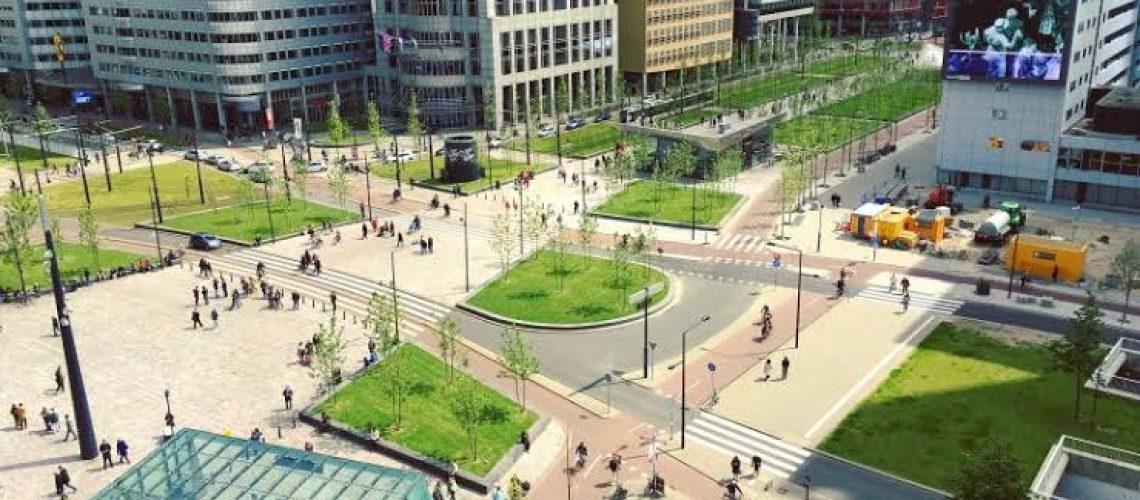
Cities are often designed around movement.
Roads carry vehicles, public transport connects neighborhoods, and commercial areas attract shoppers and workers. Yet one of the most important forms of transportation is sometimes overlooked: walking.
Every day, people walk to work, school, markets, bus stops, places of worship, shops, and community spaces. When pedestrian infrastructure is poorly designed, these simple journeys can become stressful or dangerous. Broken sidewalks, blocked walkways, inadequate crossings, poor lighting, and heavy traffic can discourage people from walking altogether.
Better pedestrian infrastructure can change this. By creating safer, more accessible, and more comfortable walking environments, cities can improve mobility while making everyday life healthier and more enjoyable.
What Is Pedestrian Infrastructure?
Pedestrian infrastructure includes the physical features that make walking easier and safer.
These can include:
- Sidewalks and footpaths
- Pedestrian crossings
- Footbridges and underpasses
- Traffic signals
- Street lighting
- Accessible ramps
- Pedestrian islands
- Walkways around public transport stations
- Signage and wayfinding systems
- Shade, seating, and street landscaping
Good infrastructure should serve everyone, including children, older adults, people with disabilities, commuters, shoppers, and people carrying goods.
Safer Walking Reduces Road Risks
One of the biggest benefits of proper pedestrian infrastructure is improved road safety.
When people are forced to walk along road shoulders or between moving vehicles, their exposure to traffic increases. Clearly marked crossings, properly maintained sidewalks, speed management, and pedestrian signals can create greater separation between people and vehicles.
This is particularly important in rapidly growing African cities, where increasing populations and vehicle ownership can put additional pressure on existing road networks.
Safer infrastructure can give pedestrians predictable places to cross and walk instead of forcing them to negotiate traffic wherever space happens to be available.
Better Sidewalks Make Everyday Travel Easier
A good sidewalk may seem like a basic feature, but it can significantly influence how people experience a city.
Walkways that are wide, continuous, and free from unnecessary obstacles allow people to move comfortably. By contrast, pedestrians may have to step into traffic when sidewalks are occupied by parked vehicles, construction materials, poorly positioned stalls, or damaged surfaces.
Cities can improve walking conditions by maintaining sidewalks and protecting them from avoidable obstructions.
The result is a more predictable journey for everyone.
Walking Can Support Healthier Lifestyles
Better pedestrian environments can encourage people to incorporate more physical activity into their daily routines.
Someone may choose to walk to a nearby shop rather than drive. A worker may walk from a bus stop to the office. Students may walk part of their journey to school.
These small activities can add up over time.
Importantly, pedestrian-friendly planning does not require everyone to become a long-distance walker. It simply makes short, practical journeys easier to complete on foot.
Pedestrian Infrastructure Supports Local Businesses
Walkable areas can also benefit businesses.
When people can comfortably move through a commercial district, they may be more likely to stop at shops, restaurants, markets, cafés, and other businesses along the way.
A well-designed pedestrian environment can create more opportunities for people to browse rather than simply pass through an area in a vehicle.
This can be particularly valuable for small businesses operating in busy commercial neighborhoods.
Better Connections Improve Public Transportation
Walking and public transportation are closely connected.
A bus stop or train station is only as useful as the journey people can make to and from it. If passengers have to cross dangerous roads or walk along poor-quality paths to reach a station, public transport becomes less attractive.
Improved sidewalks, crossings, lighting, and accessible routes can make it easier for people to connect with buses, trains, and other forms of public transportation.
This creates a stronger overall transportation network rather than treating walking as a separate activity.
Accessibility Creates More Inclusive Cities
Good pedestrian infrastructure should work for people with different physical abilities.
Wheelchair users, people using walking aids, parents pushing strollers, and older adults may struggle with high curbs, narrow sidewalks, uneven surfaces, or stairs without accessible alternatives.
Features such as ramps, tactile paving, appropriate crossing times, and smoother surfaces can make public spaces more accessible.
An inclusive city is one where mobility does not depend entirely on a person’s age, physical ability, or access to a private vehicle.
Better Lighting Can Improve the Walking Experience
Infrastructure is not only about concrete and road markings. Lighting matters too.
Well-lit pedestrian routes can make walking more comfortable, particularly during early mornings and evenings. Lighting can also help pedestrians identify obstacles, crossings, signs, and other people using the space.
Good lighting should focus on creating useful visibility along pedestrian routes rather than simply adding more decorative lights.
Shade and Green Spaces Can Make Walking More Comfortable
In hot climates, walking infrastructure needs to respond to the weather. Trees, shaded walkways, landscaping, and appropriately designed rest areas can make pedestrian journeys more comfortable. This can encourage people to walk even when temperatures are high.
Green pedestrian corridors can also improve the visual character of neighborhoods and provide spaces where residents can pause and interact.
Walkable Streets Can Strengthen Communities
Streets are more than transportation corridors. They are also social spaces. When people can walk safely, they have more opportunities to encounter neighbors, visit local businesses, access community facilities, and participate in neighborhood life.
Pedestrian-friendly streets can therefore contribute to stronger social connections.
Public spaces that prioritize people can become places where residents feel comfortable spending time rather than areas they simply pass through.
Better Infrastructure Can Improve City Efficiency
Pedestrian infrastructure can also support more efficient use of urban space.
A city where every short trip requires a car or motorcycle can experience greater congestion and demand for parking. Making short journeys easier on foot can reduce some unnecessary vehicle trips.
This does not mean eliminating cars. Instead, it means creating a transportation system in which walking is a practical option alongside public and private transportation.
Cities Need Maintenance, Not Just Construction
Building new sidewalks and crossings is only part of the solution.
Infrastructure needs regular maintenance. Damaged pavements, faded road markings, broken streetlights, blocked drainage, and damaged ramps can quickly reduce the usefulness of pedestrian facilities.
Cities should therefore treat maintenance as an ongoing responsibility rather than a one-time project.
Community reporting systems can also help authorities identify problems before they become major hazards.
The Future of Better City Living
As African cities continue to grow, pedestrian infrastructure should become an important part of urban planning. New roads, housing developments, markets, schools, transport hubs, and commercial districts should be designed with pedestrians in mind from the beginning.
The best pedestrian infrastructure is not necessarily the most expensive. It is infrastructure that is safe, connected, accessible, comfortable, and properly maintained.
Conclusion
Better pedestrian infrastructure can transform the way people experience a city. Safe sidewalks can make daily journeys easier. Proper crossings can reduce road risks. Accessible routes can support inclusion, while shaded and attractive streets can make neighborhoods more enjoyable.
Most importantly, pedestrian-friendly planning recognizes that a city belongs to the people who move through it, not only to the vehicles travelling on its roads.
When cities make walking safer and more convenient, they are not simply building sidewalks. They are creating healthier, more connected, accessible, and livable communities.
