

Traffic congestion is more than an inconvenience.
In many African cities, it affects how people work, trade, study, deliver goods, and manage their daily responsibilities. When commuters spend hours stuck on the road, businesses lose productive time, delivery schedules become harder to maintain, and workers often arrive at their destinations already exhausted.
Cities such as Lagos, Nairobi, Accra, Johannesburg, Kampala, and Dar es Salaam continue to experience growing demand for road transportation as populations and economic activities expand. Better traffic management can help cities use their existing road networks more efficiently while improving the daily experience of commuters and businesses.
The Connection Between Traffic and Productivity
Productivity depends heavily on time, energy, and reliable access to workplaces, markets, customers, and services.
A worker who spends three or four hours commuting each day has less time and energy for work, family responsibilities, rest, and personal development. Businesses also face productivity challenges when employees arrive late or when deliveries are delayed by unpredictable traffic.
For logistics companies, congestion can increase fuel consumption and vehicle operating costs. Retailers may receive stock later than planned, while customers can experience longer delivery times.
Reducing unnecessary delays can therefore create benefits that extend far beyond the road.
1. Shorter Commutes Give Workers More Time
One of the clearest benefits of effective traffic management is reduced travel time. Better coordination of traffic signals, improved road design, dedicated public transport lanes, and effective enforcement can help vehicles move more efficiently.
If a commuter can reduce a daily journey by even 30 minutes, that represents several hours recovered each week. Over a year, the difference can become significant.
That additional time can be used for rest, family activities, learning, exercise, or preparing for work.
2. Reliable Transportation Improves Punctuality
Traffic does not only make journeys longer. It also makes them unpredictable. A journey that normally takes 45 minutes may suddenly take two hours because of an accident, road obstruction, flooding, vehicle breakdown, or poorly managed intersection.
Unpredictable travel makes it difficult for workers and businesses to plan accurately.
Better traffic management can improve journey-time reliability. When people have a clearer idea of how long their commute will take, they can plan their schedules more effectively.
For businesses, reliable transportation can also make meetings, deliveries, appointments, and customer services easier to manage.
3. Businesses Can Reduce Transportation Costs
Congestion comes with financial costs. Vehicles that remain stuck in traffic continue to consume fuel while drivers and delivery workers spend valuable time on the road. Frequent braking and acceleration can also increase vehicle wear.
For businesses that operate fleets, these expenses can accumulate quickly.
Better traffic flow can reduce unnecessary idling and help vehicles complete more trips within the same working period. A delivery company, for example, may be able to serve more customers without immediately increasing the size of its fleet.
This can make operations more efficient and improve the use of existing resources.
4. Better Traffic Management Supports Logistics
Efficient logistics depends on predictable movement. Manufacturers need raw materials to arrive on time. Retailers need stock delivered to stores. Restaurants need food supplies. Online businesses need orders transported to customers.
When congestion causes repeated delays, the entire supply chain can be affected.
Traffic management measures such as designated loading areas, improved road networks, intelligent traffic systems, and better coordination around busy commercial districts can make urban logistics more efficient.
This is particularly important as African cities experience growth in e-commerce and delivery services.
5. Public Transportation Can Become More Efficient
Traffic management should not focus only on private cars. Public transportation carries large numbers of people and can move more commuters using less road space per person. However, buses and other public transport vehicles can also become trapped in congestion.
Dedicated bus lanes, properly managed bus stops, coordinated traffic signals, and better route planning can help public transportation operate more efficiently.
When public transport becomes more reliable, workers may spend less time commuting and businesses can benefit from a workforce that has more predictable travel schedules.
6. Smart Traffic Technology Can Improve Decision-Making
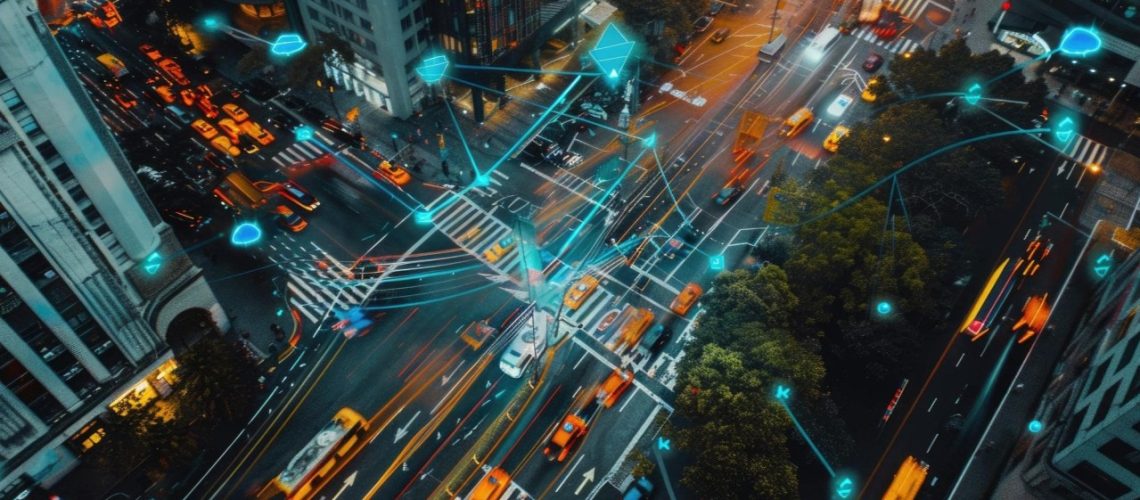
Technology is increasingly becoming part of modern traffic management. Cities can use traffic cameras, sensors, GPS data, mobile applications, digital signs, and other systems to monitor traffic conditions and identify problem areas.
Real-time information can help traffic authorities respond more quickly to accidents, road blockages, and unusual congestion.
Drivers can also use traffic information to select alternative routes when appropriate.
Over time, traffic data can help city planners understand where congestion happens most frequently and determine which infrastructure or policy changes may have the greatest practical impact.
7. Better Road Design Can Reduce Unnecessary Delays
Not every traffic problem requires a major new highway.
Sometimes relatively small improvements can make a significant difference.
Poorly positioned intersections, unclear lane markings, inadequate pedestrian crossings, illegal parking, unmanaged roadside trading, and poorly designed junctions can all contribute to traffic delays.
Cities can review these problem areas and introduce targeted improvements.
Better signage, redesigned intersections, properly placed traffic lights, pedestrian facilities, and designated commercial loading zones can help traffic move more safely and efficiently.
8. Traffic Management Can Support Flexible Work
Better traffic systems are important, but businesses can also reduce pressure on transportation networks through flexible work arrangements.
Where appropriate, companies can introduce staggered working hours, hybrid work, remote meetings, or flexible schedules.
For example, not every employee needs to begin work at exactly 8 a.m. A business could schedule different teams to start at different times where operational requirements allow.
This can reduce the number of people travelling during peak periods.
Flexible working should not replace investment in transportation infrastructure, but it can complement broader traffic-management strategies.
9. Less Congestion Can Improve Worker Well-Being
Long and stressful commutes can affect how people feel when they arrive at work. A worker who has spent hours dealing with traffic may have less energy and concentration than someone who completed a shorter, more predictable journey.
Reducing unnecessary travel delays can therefore contribute to a better daily experience for workers.
The benefits can extend beyond offices. Drivers, traders, students, healthcare workers, delivery personnel, and other commuters can all benefit from transportation systems that are easier to navigate.
10. Better Traffic Management Can Support Economic Growth
Cities are economic engines. People need to move between homes, workplaces, markets, schools, hospitals, and commercial centres.
When transportation systems work poorly, economic activity can slow down.
When movement becomes more efficient, businesses can reach customers more easily, workers can access employment opportunities, and goods can move between different parts of a city more reliably.
This makes traffic management an important part of urban economic planning.
Practical Steps African Cities Can Consider
Different cities have different transportation challenges, so there is no single solution.
However, several measures can contribute to better traffic management:
- Improve traffic-light coordination at busy intersections.
- Create and enforce dedicated public transport lanes where appropriate.
- Improve pedestrian infrastructure.
- Establish designated loading and unloading areas.
- Use technology to monitor traffic conditions in real time.
- Respond quickly to accidents and vehicle breakdowns.
- Improve road signage and lane markings.
- Manage roadside parking more effectively.
- Encourage staggered working hours where practical.
- Strengthen public transportation networks.
- Collect reliable traffic data before making major infrastructure decisions.
- Coordinate transportation planning with housing and commercial development.
These measures work best when they are part of a broader transportation strategy rather than isolated interventions.
The Role of Businesses
Businesses also have a role to play in reducing the productivity costs associated with congestion.
Companies can examine commuting patterns and identify whether flexible schedules could help employees avoid the worst peak periods.
Delivery businesses can use route-planning technology to organize trips more efficiently. Retailers can coordinate deliveries outside the busiest periods where regulations and operations allow.
Companies can also consider employee transportation support, shared commuting arrangements, or hybrid work policies where appropriate.
Small changes across many businesses can collectively reduce unnecessary pressure on urban roads.
Building More Productive African Cities
Traffic management is ultimately about more than moving vehicles. It is about helping people move efficiently.
When commuters spend less time stuck in traffic, businesses can operate more predictably. When deliveries arrive on schedule, supply chains become more reliable. When public transport becomes more efficient, workers can access more opportunities.
African cities are continuing to grow, and transportation systems will need to evolve alongside them.
Better traffic management cannot eliminate every congestion problem. However, thoughtful planning, effective enforcement, reliable public transportation, useful technology, and better road design can reduce unnecessary delays.
The result can be cities where people spend less of their productive lives waiting in traffic and more time contributing to their workplaces, businesses, families, and communities.
