

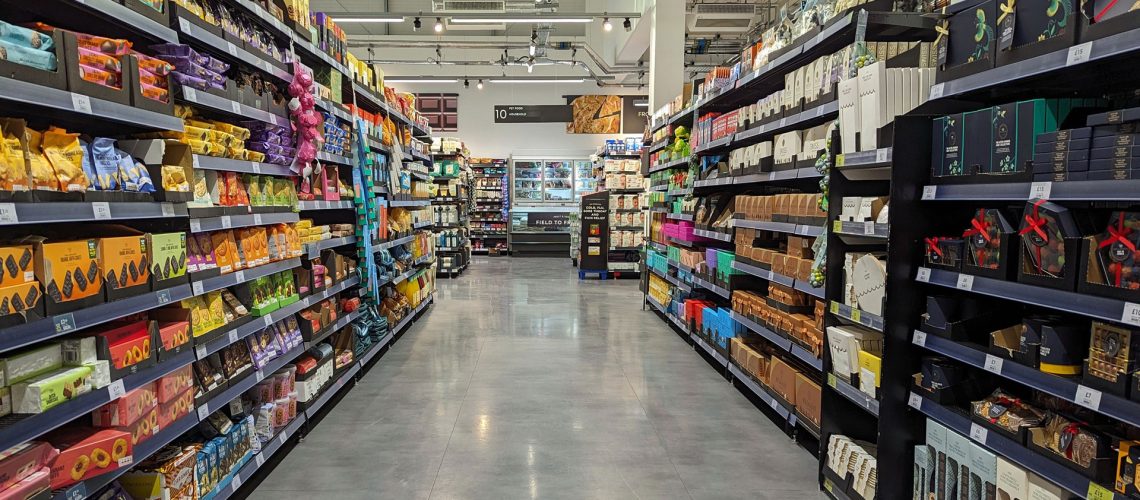
The retail industry has always evolved alongside consumer behavior, but today’s changes are happening faster than ever.
Modern shoppers are more informed, digitally connected, and value-conscious than previous generations. They expect convenience, transparency, affordability, and personalized experiences regardless of whether they shop online or visit a physical store.
Across Africa, these shifts are becoming increasingly visible. Rising internet access, smartphone adoption, mobile payment systems, and a growing middle class are encouraging businesses to rethink how they sell products and engage customers. Retailers that understand these changing expectations are discovering new opportunities for growth, while those that resist change risk losing relevance.
Understanding how consumers influence retail trends is essential for businesses of every size. Whether you operate a neighborhood grocery store, an online marketplace, or a multinational retail chain, your customers are shaping the future of commerce every day.
Consumers Have More Information Than Ever Before
Today’s shoppers rarely make purchases without first gathering information. Before buying a product, many consumers compare prices, read customer reviews, watch product demonstrations, and seek recommendations from friends or social media communities.
As a result, retailers can no longer rely solely on attractive displays or persuasive advertising. Instead, they must provide accurate product information, transparent pricing, and excellent customer service.
Businesses that educate customers often build stronger trust and encourage repeat purchases.
Convenience Is Becoming the Biggest Competitive Advantage
Consumers increasingly value convenience as much as price. Busy lifestyles encourage people to choose retailers that save time and simplify shopping.
Retailers are responding by offering:
- Online ordering
- Same-day or next-day delivery
- Click-and-collect services
- Mobile payment options
- Easy return policies
- Digital customer support
Across many African cities, delivery services and mobile commerce have become essential parts of modern retail. Retailers that reduce friction throughout the buying process often enjoy higher customer satisfaction and stronger loyalty.
Mobile Shopping Continues to Grow
Smartphones have become one of the most powerful retail tools in Africa. Consumers now browse products, compare prices, make payments, and track deliveries directly from their phones. The widespread use of mobile money and digital banking has accelerated online shopping in countries including Nigeria, Kenya, Ghana, South Africa, and Rwanda.
Consequently, retailers increasingly optimize their websites and applications for mobile users. A fast-loading website and a simple checkout process can significantly improve sales.
Businesses that ignore mobile shoppers risk losing a substantial portion of their potential customers.
Consumers Want Personalized Experiences
Modern shoppers appreciate businesses that understand their preferences.
Many retailers now use customer data to provide:
- Personalized product recommendations
- Birthday discounts
- Loyalty rewards
- Customized email offers
- Relevant advertisements
Personalization helps customers feel valued rather than treated as anonymous buyers. However, retailers must also respect customer privacy and handle personal information responsibly to maintain trust.
Sustainability Is Influencing Purchasing Decisions
Environmental awareness is gradually influencing shopping habits across many parts of the world, including Africa.
Consumers increasingly pay attention to:
- Eco-friendly packaging
- Ethical sourcing
- Local production
- Waste reduction
- Responsible manufacturing
Although affordability remains a major priority, many shoppers also prefer businesses that demonstrate environmental and social responsibility. Retailers that adopt sustainable practices often strengthen their reputation while contributing positively to their communities.
Social Media Is Driving Retail Decisions
Social media has become a powerful marketplace where consumers discover new products, compare brands, and share shopping experiences. Platforms such as Facebook, Instagram, TikTok, and WhatsApp help businesses reach customers more directly than traditional advertising.
Positive customer reviews can quickly boost a brand’s reputation. Conversely, poor service may spread just as rapidly through online conversations. Therefore, retailers increasingly invest in customer engagement, influencer partnerships, and responsive communication across digital channels.
Customers Expect Seamless Online and Offline Shopping
Today’s consumers often move between digital and physical shopping environments before making a purchase.
For example, a customer might:
- Discover a product on social media.
- Visit the retailer’s website.
- Read customer reviews.
- Compare prices.
- Visit a physical store.
- Complete the purchase online.
Retailers are responding by integrating their online and offline operations into a seamless shopping experience. This omnichannel approach allows customers to shop however they prefer without unnecessary barriers.
Value Matters More Than Low Prices
Although competitive pricing remains important, consumers increasingly evaluate overall value instead of simply choosing the cheapest option.
Value includes:
- Product quality
- Customer service
- Warranty support
- Delivery speed
- Brand reputation
- Shopping experience
Many customers willingly pay slightly more for products that offer greater reliability and better after-sales support. Retailers that consistently deliver value often earn long-term customer loyalty.
Local Businesses Are Benefiting from Changing Preferences
Many African consumers are becoming more interested in supporting local businesses and locally produced goods. This trend encourages retailers to stock products made by local farmers, artisans, and manufacturers.
Buying locally often provides several benefits:
- Supports local employment
- Reduces transportation costs
- Strengthens local economies
- Encourages entrepreneurship
- Preserves cultural identity
Retailers that highlight locally made products can attract consumers seeking authentic and community-focused shopping experiences.
Technology Is Transforming Retail Operations
Changing consumer expectations are encouraging retailers to adopt modern technologies that improve efficiency and customer satisfaction.
Common innovations include:
- Artificial intelligence for product recommendations
- Digital inventory management
- Self-service checkout systems
- Contactless payments
- Customer relationship management software
- Data analytics for demand forecasting
These technologies help retailers respond more quickly to changing market conditions while improving operational performance.
Challenges Facing Retailers
Despite these opportunities, adapting to changing consumer behavior presents several challenges.
Retailers must balance:
- Rising operational costs
- Increasing customer expectations
- Supply chain disruptions
- Growing online competition
- Data privacy concerns
- Rapid technological change
Businesses that remain flexible and customer-focused are generally better positioned to overcome these challenges.
The Future of Retail
Retail will continue evolving as technology advances and consumer expectations change.
Several trends are expected to shape the industry’s future:
- Greater use of artificial intelligence
- Expanded mobile commerce
- More personalized shopping experiences
- Increased sustainability initiatives
- Faster delivery networks
- Stronger integration between digital and physical retail
African retailers have significant opportunities to innovate by combining technology with deep local market knowledge.
Conclusion
Consumers are no longer passive buyers, they actively influence how retailers operate, market products, and deliver services. Their expectations for convenience, personalization, transparency, sustainability, and value continue to reshape the retail landscape across Africa and beyond.
Businesses that listen carefully to customer needs, embrace innovation, and adapt to changing market conditions will remain competitive in an increasingly dynamic retail environment. Ultimately, the future of retail belongs to organizations that place the customer at the center of every decision, creating shopping experiences that build trust, encourage loyalty, and deliver lasting value.
