

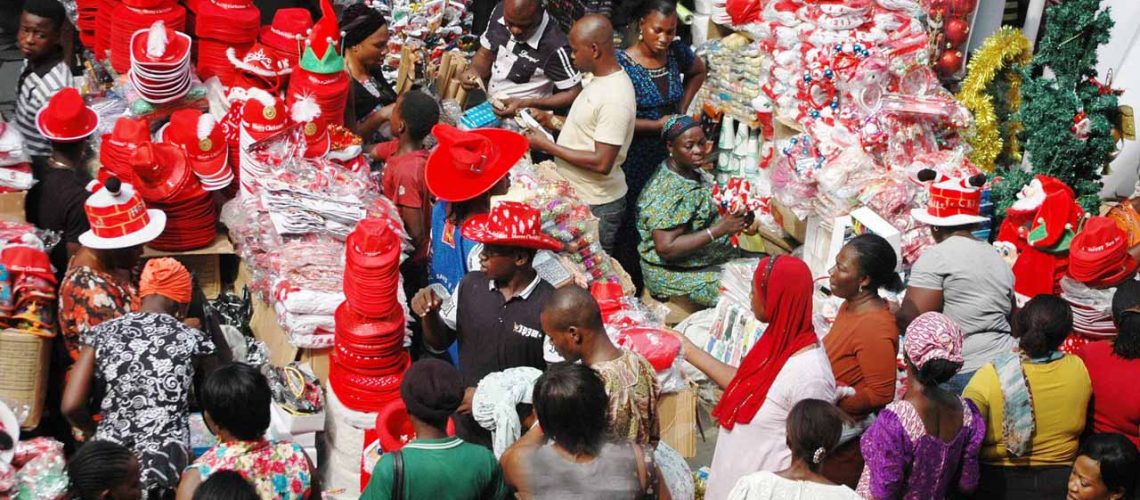
Seasonal festivals play an important role in Africa’s cultural and economic life.
Across the continent, celebrations linked to harvests, religious traditions, historical events and community heritage bring people together. Beyond their cultural significance, these occasions create business opportunities, increase consumer spending and influence activities in local markets.
From the Durbar festivals in northern Nigeria to the Osun-Osogbo Festival in southwestern Nigeria and the Timkat celebration in Ethiopia, seasonal events attract residents, visitors, traders and service providers. As demand for food, clothing, transportation, crafts and accommodation rises, markets often experience increased commercial activity.
Understanding how seasonal festivals influence African markets helps businesses prepare for changing consumer needs, manage inventory and identify opportunities for growth.
1. Seasonal Festivals Increase Consumer Spending
One of the most visible effects of seasonal festivals is the increase in consumer spending. Before major celebrations, households often purchase additional food, clothing, decorations, gifts and other essential items.
In Nigeria, for example, markets usually experience increased demand for rice, cooking oil, meat, spices and beverages during Christmas, Eid celebrations and other festive periods. Similarly, traders in Ghana may experience higher sales of fabrics, food ingredients and gifts during festivals such as Homowo and the Christmas season.
This increased demand creates opportunities for retailers, wholesalers and small-scale traders. Businesses that stock popular products before the festive rush may attract more customers and generate additional revenue.
However, increased spending does not affect every product equally. Consumer demand depends on the festival, local traditions, household budgets and the products associated with the celebration.
2. Festivals Create Opportunities for Small Businesses
Seasonal celebrations provide opportunities for entrepreneurs to introduce products, attract new customers and increase their income.
Food vendors, fashion designers, event planners, photographers, makeup artists and craft sellers often benefit from the additional demand surrounding festivals. Some entrepreneurs establish temporary stalls near event venues, while others accept orders through social media and online marketplaces.
For instance, a tailor in Lagos may receive more orders for traditional outfits before a wedding season or religious celebration. Meanwhile, a local craft seller in Kenya could attract visitors interested in handmade jewellery, textiles and souvenirs during a cultural festival.
These opportunities can be particularly valuable for small businesses that operate with limited resources. By focusing on products and services that customers need during a specific period, entrepreneurs can generate extra income without maintaining a large permanent business.
3. Agricultural Festivals Influence Food Markets
Agriculture remains closely connected to many African festivals. In several communities, harvest celebrations mark the completion of a farming season and recognise the importance of food production.
The New Yam Festival among Igbo communities in Nigeria, for example, celebrates the yam harvest and its cultural significance. Such occasions can increase public interest in yams and other traditional foods, creating opportunities for farmers, food processors, transporters and market traders.
Harvest periods may also influence the availability and prices of particular agricultural products. When supplies increase, prices may fall, although transportation costs, storage conditions, market access and consumer demand can affect the final price.
In addition, festivals encourage the preparation of traditional dishes, increasing demand for locally produced ingredients. Farmers and traders who understand these seasonal patterns can plan production, storage and distribution more effectively.
4. Tourism Festivals Boost Local Commerce
Many African festivals attract visitors from other cities, countries and continents. These visitors spend money on accommodation, transportation, food, entertainment and souvenirs, allowing the economic benefits of festivals to extend beyond the event itself.
The Osun-Osogbo Festival in Nigeria, for instance, attracts participants and visitors interested in Yoruba culture and spiritual traditions. Likewise, the Timkat festival in Ethiopia draws people who want to experience the country’s Orthodox Christian celebrations.
When visitor numbers rise, hotels, restaurants, transport operators, tour guides and local retailers may experience increased demand. Artisans and cultural entrepreneurs can also benefit by selling handmade products and offering cultural experiences.
Nevertheless, these benefits depend on effective planning. Poor transportation, inadequate accommodation and limited visitor information can restrict how much local businesses gain from festival-related tourism.
5. Traditional Markets Experience Changes in Demand
Seasonal festivals can change what customers buy, how much they purchase and when they visit markets.
During festive periods, consumers may prioritise clothing materials, livestock, fresh produce, decorations, household supplies and gifts. In some communities, demand for specific colours, fabrics or traditional items may increase because of cultural expectations.
For market traders, these changes create opportunities to adjust their product selection and sales strategies. A trader who normally sells everyday household goods may introduce gift items or festive decorations to attract additional customers.
However, preparation requires careful observation. Stocking too many seasonal products can leave traders with unsold goods after the celebrations. Businesses should therefore consider previous sales records, customer enquiries and expected demand before making large purchases.
6. Festivals Support Local Crafts and Cultural Products
African festivals provide important platforms for showcasing traditional crafts, clothing, music, food and other cultural products.
Artisans can use these occasions to reach customers who might not ordinarily visit their workshops or stores. Products such as woven baskets, beadwork, pottery, leather goods, carved objects and traditional textiles often appeal to visitors seeking meaningful souvenirs.
Festivals can also help younger entrepreneurs explore ways to modernise traditional products while preserving their cultural identity. For example, a designer may incorporate locally woven fabric into contemporary clothing, bags or home accessories.
Beyond direct sales, these events can help artisans build professional networks, establish partnerships and promote their work through photographs, videos and social media.
When properly organised, festival markets can therefore contribute to the preservation of traditional skills while creating income opportunities for local communities.
7. Transportation and Logistics Businesses Benefit
Increased movement of people and goods during festivals creates additional demand for transportation and logistics services.
Traders need to move merchandise from farms, warehouses and wholesale markets to retail locations. Meanwhile, visitors require transportation to festival venues, hotels, restaurants and shopping areas.
Delivery companies, commercial drivers, motorcycle operators and other transport providers may experience higher demand during these periods. Businesses that supply event equipment, decorations and food ingredients may also require additional delivery support.
However, festival-related demand can place pressure on roads, loading areas and public transportation. Traffic congestion and delayed deliveries may increase operating costs and affect customer satisfaction.
Businesses can reduce these challenges by arranging deliveries early, confirming orders in advance and allowing extra time for transportation.
Conclusion
Seasonal festivals are more than cultural celebrations; they are important periods of economic activity across Africa. They influence consumer spending, agricultural trade, tourism, transportation, traditional crafts and the operations of local markets.
For small businesses, festivals create opportunities to attract new customers, introduce products and increase revenue. At the same time, they require careful planning to manage higher costs, changing demand and potential supply shortages.
By understanding local traditions and preparing for seasonal buying patterns, African businesses can respond more effectively to consumer needs. With better infrastructure, reliable logistics and thoughtful business planning, festivals can support local enterprise, preserve cultural heritage and contribute to the development of African markets.
