

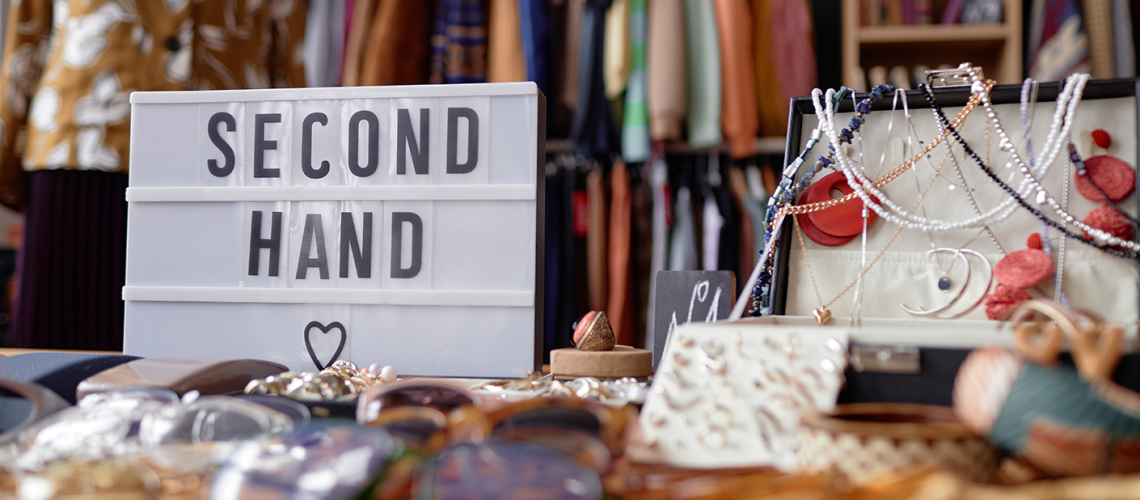
Second-hand markets play an important role in everyday life across Africa and beyond.
From clothing and furniture to electronics, household items, books, and vehicles, these markets give products a second chance instead of allowing them to become waste.
As living costs rise, many consumers look for practical ways to get quality products at lower prices. Second-hand markets meet this demand while also creating opportunities for sellers, traders, repairers, transporters, and other small businesses.
Giving Products a Second Life
One of the biggest benefits of second-hand markets is their ability to extend the useful life of products. An item that no longer serves one person may still have significant value to another.
For example, a family may sell a washing machine after upgrading to a newer model. A student may sell a used laptop after completing school. Someone moving to a new home may sell furniture they no longer need.
Instead of these items sitting unused or being discarded, second-hand markets connect them with people who can use them.
Making Goods More Affordable
Second-hand markets also make useful products accessible to people who cannot afford new versions. A used refrigerator, phone, television, table, or wardrobe may cost considerably less than a new one.
This affordability helps households manage their budgets while still meeting important needs. In many communities, buying second-hand is not simply a way to save money. It is a practical part of household consumption.
Consumers can also find older products that may no longer be available in conventional retail stores.
Supporting Small Businesses
Second-hand trading provides income for many individuals. Sellers can source products from households, businesses, auctions, clearance sales, or other markets and resell them to new customers.
The wider ecosystem also creates work for repair technicians, cleaners, tailors, mechanics, transport operators, photographers, online sellers, and market assistants.
For example, a used clothing trader may work with tailors who repair or adjust garments before resale. An electronics seller may depend on technicians to test and fix devices. This creates economic activity beyond the original sale.
Reducing Waste
Keeping products in circulation can also reduce unnecessary waste. When people reuse clothing, furniture, electronics, and other durable goods, fewer items need to be discarded immediately after their first owner stops using them.
This does not eliminate waste completely. Products eventually wear out, and some used goods may require proper recycling or disposal. However, extending their useful life can delay that point and reduce pressure on waste-management systems.
Second-hand consumption therefore fits naturally into the principles of reuse and a more circular economy.
Repair Keeps the Cycle Moving
Repair is an important part of the second-hand economy. Many products that appear unusable can become valuable again after simple repairs.
A damaged chair can be restored. A phone may need a replacement component. Clothing can be stitched, altered, or redesigned. Furniture can receive new upholstery or a fresh finish.
These activities allow products to remain useful for longer while supporting skilled workers. In many African markets, repair culture has existed for generations and remains an important part of everyday commerce.
Digital Platforms Are Expanding Second-Hand Trading
Technology has made it easier for people to buy and sell used goods. Social media platforms, online marketplaces, messaging applications, and community groups allow sellers to reach customers without depending entirely on physical market stalls.
A person can photograph an item, provide its condition and price, and communicate directly with potential buyers. This has expanded second-hand trading beyond traditional markets.
Digital platforms can also help sellers reach customers in other neighborhoods or cities, making the market more flexible and accessible.
Challenges in Second-Hand Markets
Despite their benefits, second-hand markets face challenges. Buyers may encounter counterfeit products, damaged goods, incomplete information, or items that have been poorly maintained.
Trust therefore remains important. Sellers who provide accurate descriptions, demonstrate that products work properly, and communicate clearly can build stronger relationships with customers.
Proper regulation and consumer awareness can also help create safer and more reliable second-hand markets.
Building a More Circular Economy
Second-hand markets demonstrate that consumption does not always have to follow a simple pattern of buying, using, and throwing away. Products can move from one owner to another several times before reaching the end of their useful lives.
This approach supports affordability, entrepreneurship, resource efficiency, and waste reduction at the same time.
As African cities continue to grow and consumer needs change, second-hand markets are likely to remain an important part of urban commerce. They keep useful goods moving, create livelihoods, and give consumers more affordable choices.
Ultimately, the value of a product does not necessarily end when its first owner is finished with it. Through resale, reuse, repair, and redistribution, second-hand markets give goods another opportunity to serve people.
