

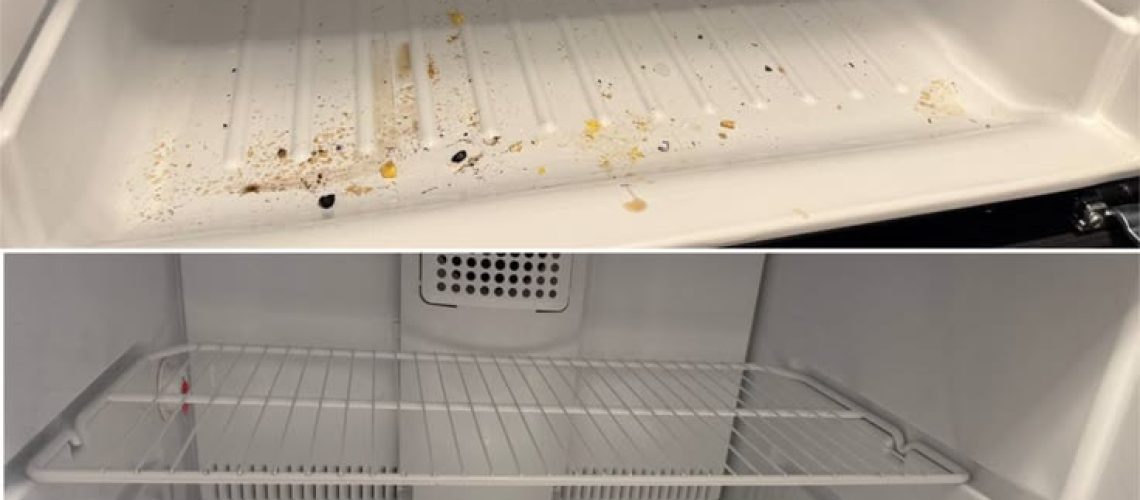
Your fridge and freezer help keep food fresh, preserve leftovers, and reduce food waste.
However, spills, forgotten food, unpleasant odours, and ice buildup can turn these essential appliances into breeding grounds for bacteria if you do not clean them regularly. In many Nigerian homes, where refrigerators store fresh vegetables, meat, fish, soups, and cooked meals, proper cleaning is especially important for food safety.
The good news is that cleaning your fridge and freezer does not require expensive products. With warm water, mild dishwashing liquid, a soft cloth, and a little patience, you can keep your appliances clean, organised, and ready for everyday use.
1. Switch Off and Empty the Appliances
Before cleaning, check your refrigerator’s manufacturer’s instructions. If necessary, switch off and unplug the appliance before washing its interior. Avoid pulling the plug if your hands or the surrounding floor are wet.
Remove all food and sort through it carefully. Throw away expired products, spoiled leftovers, mouldy food, and anything that has been stored longer than recommended. Do not taste questionable food to determine whether it is safe.
Place perishable foods in a cooler with ice packs while you clean. Keep them cold, ideally at 4°C or below. Frozen foods should remain frozen whenever possible. If your cleaning process will take a long time, use another freezer or an insulated cooler to protect them.
2. Remove Shelves and Drawers
Take out removable shelves, drawers, and door compartments according to the manufacturer’s instructions. These parts often collect vegetable residue, spilled drinks, meat juices, and crumbs.
Wash them in warm water with mild dishwashing liquid. Use a soft sponge to remove stubborn dirt, then rinse thoroughly and dry with a clean towel.
Never pour boiling water onto cold glass shelves. Sudden temperature changes can cause the glass to crack or shatter. Allow cold components to reach room temperature before washing them, and check whether the manufacturer permits each component to be immersed in water.
3. Clean the Interior With a Mild Solution
Mix warm water with a small amount of mild dishwashing liquid. Use a soft cloth to wipe the refrigerator walls, ceiling, floor, and door compartments.
Pay attention to corners, shelf supports, and areas beneath drawers, where dirt can accumulate unnoticed. For sticky spills, hold a damp cloth against the affected area for a few minutes before wiping it clean.
Avoid abrasive sponges, strong chemical cleaners, and products that could damage interior surfaces. Never mix cleaning products, particularly bleach with ammonia or acidic cleaners, because dangerous gases can form.
After washing, wipe the interior with a clean cloth dampened with plain water to remove soap residue. Dry the surfaces thoroughly before replacing the shelves.
4. Clean the Freezer Safely
Freezers require special attention because ice buildup can reduce storage space and may affect cooling performance.
If your freezer needs defrosting, follow the manufacturer’s instructions. Switch off the appliance if required, remove the food, and allow the ice to melt naturally. Place towels around the base to collect water.
Never use knives, sharp objects, or metal tools to remove ice. These can puncture refrigerant lines or damage internal components. Avoid pouring boiling water directly into the freezer unless the manufacturer specifically permits an appropriate method.
Once the ice has melted, clean the interior with a mild dishwashing solution, wipe away residue with clean water, and dry thoroughly. If your appliance has a frost-free system, follow its recommended cleaning procedure instead of attempting unnecessary manual defrosting.
5. Remove Odours and Clean Hidden Areas
Unpleasant smells often come from spoiled food, forgotten leftovers, or liquid trapped beneath drawers. Remove the source first rather than simply masking the odour.
For lingering smells, wipe the interior again with clean water and mild detergent. You can also place an open container of baking soda inside the refrigerator to help absorb odours.
Clean the door seals with a soft cloth and mild soapy water. Dirt around these seals can interfere with proper closure, allowing cold air to escape. Dry the seals carefully and inspect them for cracks or damage.
If the appliance has accessible condenser coils or ventilation grilles, clean them according to the manufacturer’s instructions. Dust around these areas can affect cooling efficiency. Unplug the appliance before cleaning accessible components, and avoid dismantling electrical parts.
6. Return Food and Set the Correct Temperature
Once everything is clean and dry, replace the shelves and drawers. Arrange food in a way that allows cold air to circulate freely.
Store raw meat and fish in sealed containers on the lowest suitable shelf to prevent their juices from contaminating other foods. Keep cooked meals covered, and label leftovers with their preparation dates. Avoid overcrowding the refrigerator.
Set the fridge to 4°C or below and the freezer to -18°C or below. An appliance thermometer can help you confirm the actual temperature.
Before returning perishable food, make sure the refrigerator is cold enough. Do not leave meat, fish, dairy products, or cooked meals at room temperature for more than two hours, or one hour when temperatures exceed 32°C.
7. Establish a Regular Cleaning Routine
You do not need to wait until your fridge smells unpleasant before cleaning it. Wipe spills immediately, inspect stored food weekly, and clean the interior thoroughly about once a month or whenever necessary. Clean the freezer when it becomes dirty or requires defrosting, following the manufacturer’s guidance.
Remember to check door seals, remove dust from accessible ventilation areas, and monitor temperatures regularly.
Conclusion
Cleaning your fridge and freezer properly protects your food, reduces unpleasant odours, and helps maintain an organised kitchen. By removing spoiled food, washing removable components, using mild cleaning solutions, and controlling temperatures, you can keep your appliances in good condition.
Make refrigerator cleaning part of your regular household routine. A clean, well-maintained fridge is not just more pleasant to use; it also supports safer food storage and helps your household reduce unnecessary food waste.
