

Weekly shopping can easily consume several hours, especially when you shop without a clear plan.
From deciding what to buy to moving through crowded markets or supermarkets, small delays can quickly add up. A faster shopping routine does not mean rushing through the process. Instead, it means preparing ahead, reducing unnecessary decisions, and creating a system that makes each trip easier.
For busy households, workers, students, and small business owners, an efficient shopping routine can save both time and money. Here are practical ways to make your weekly shopping faster and more organized.
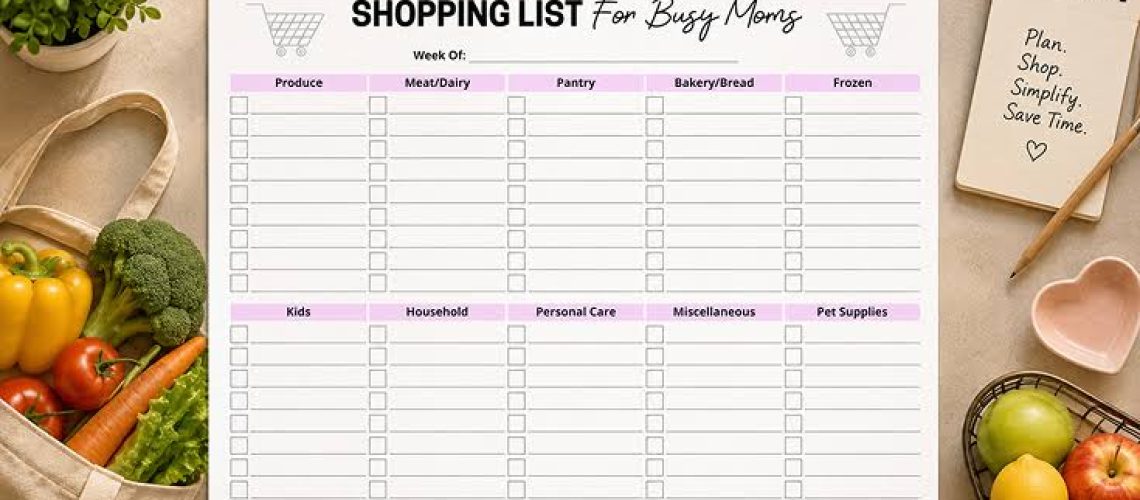
1. Create a Weekly Shopping List
Start with a simple list before leaving home. Check your kitchen, refrigerator, freezer, and storage areas first. This prevents you from buying items you already have.
Divide the list into categories such as:
- Grains and staples
- Vegetables and fruits
- Meat and fish
- Drinks
- Household supplies
- Personal-care products
A categorized list makes it easier to find products without repeatedly going back to different sections of a market or store.
2. Plan Your Meals Before Shopping
Meal planning can significantly reduce shopping time. Decide what meals you are likely to prepare during the week and identify the ingredients required.
For example, a Nigerian household might plan meals around rice, beans, yam, plantain, vegetables, chicken, fish, and other preferred foods. Knowing what will be cooked reduces last-minute decisions and unnecessary purchases.
It also helps you identify ingredients that can be bought in larger quantities.
3. Set a Shopping Budget
Decide how much you intend to spend before leaving home. Assign approximate amounts to major categories on your list.
A budget helps you avoid spending too much time comparing products that are outside your needs. It also makes price increases easier to identify because you already know what you normally spend.
For families managing rising food costs, combining a shopping list with a weekly budget can provide better control over household expenses.
4. Choose the Right Shopping Time
Timing can make a major difference. Crowded markets, long checkout lines, and heavy traffic can turn a short shopping trip into an exhausting experience.
Where possible, shop during quieter periods. Consider your local market or supermarket’s busiest hours and choose a time when movement is easier.
In busy African cities, this can also mean considering traffic conditions before deciding when to leave home.
5. Buy Frequently Used Items in Bulk
Buying non-perishable products in larger quantities can reduce the number of shopping trips you make.
Items such as:
- Rice
- Beans
- Garri
- Cooking oil
- Detergent
- Tissue
- Cereals
- Packaged foods
may be suitable for bulk purchasing when you have adequate storage space.
However, avoid buying large quantities of products that spoil quickly unless you have a reliable storage method.
6. Keep a Running Shopping List
Do not wait until the night before your weekly shopping trip to remember everything you need. Keep a list throughout the week.
When cooking oil finishes, add it immediately. When you notice that toiletries are running low, add them to the same list.
A phone notes app, paper notebook, or household shopping app can work. The important thing is having one reliable place for the list.
7. Organize Your Shopping Route
If you visit several locations, plan the order before leaving.
For example, you could visit the supermarket first, then the open market, followed by a nearby specialty shop. Try to group stops based on location rather than travelling back and forth across town.
This approach saves transportation time and reduces unnecessary movement.
8. Separate Essential and Optional Purchases
Your list should distinguish between things you need and things you simply want.
Mark essential products clearly. If time or money becomes limited, you will immediately know which purchases should come first.
This simple distinction also helps prevent impulse buying.
9. Prepare Your Shopping Bags and Payment Beforehand
Small preparations can prevent unnecessary delays.
Before leaving, make sure you have:
- Reusable shopping bags
- Your shopping list
- Phone or wallet
- Appropriate payment method
- Storage containers if needed
- Any membership or loyalty cards you regularly use
If you frequently shop in places where cash is preferred, carrying the appropriate amount can also make transactions quicker.
10. Keep a Record of Regular Prices
Knowing approximate prices for frequently purchased products makes shopping easier. You will quickly recognize when a price is unusually high and decide whether to buy, negotiate, or choose an alternative.
A simple price record can also help you identify which products are becoming more expensive over time.
11. Use a Weekly Shopping Template
Instead of creating a new list from scratch every week, create a reusable template.
For example:
Food staples:
Rice, beans, garri, yam, flour, cooking oil
Fresh foods:
Tomatoes, pepper, onions, vegetables, fruits
Protein:
Chicken, fish, eggs, meat
Household:
Detergent, soap, tissue, cleaning products
Personal care:
Toothpaste, bathing soap, deodorant
You can then remove items you do not need and add anything specific to that week’s meals.
12. Review Your Routine After Shopping
After each shopping trip, spend a few minutes reviewing what happened.
Did you spend too much time at one location? Did you forget anything? Did you buy something unnecessarily? Could another shopping day have been less crowded?
Use those observations to improve the next trip.
Over time, your routine will become faster because you are building a system around your actual shopping habits.
Build a Routine That Saves More Than Time
A faster weekly shopping routine starts before you enter the market or supermarket. Meal planning, organized lists, smart budgeting, bulk purchasing, and better timing can remove many of the small delays that make shopping stressful.
The goal is not simply to finish shopping quickly. A good routine should help you save time, control spending, reduce forgotten items, and make household planning easier.
Once these habits become consistent, weekly shopping can become a predictable task rather than something that consumes an entire day.
