

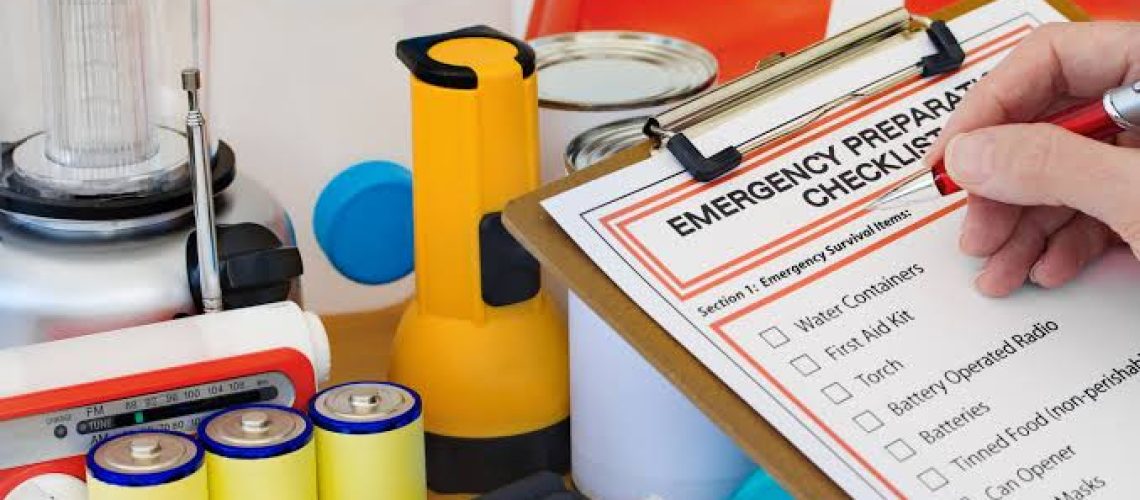
Emergencies can happen without warning.
A power outage, fire, flood, medical situation, severe weather event, or security incident can quickly disrupt normal household routines. Having a clear emergency checklist helps families respond calmly and know what to do when every minute matters.
A good checklist does not need to be complicated. It should focus on essential supplies, important information, emergency contacts, and simple actions that household members can follow.
Start With the Most Likely Emergencies
Every household faces different risks. Start by identifying the emergencies most likely to affect your home.
For families in African cities, these may include power outages, flooding, fires, water shortages, road emergencies, or sudden illnesses. Rural households may face different challenges.
Understanding the risks helps you create a checklist that is practical rather than filled with unnecessary items.
List Essential Emergency Supplies
Your checklist should include the basic supplies your household may need if normal services become temporarily unavailable.
Consider keeping:
- Drinking water
- Non-perishable food
- Flashlights
- Spare batteries
- Basic first-aid supplies
- Phone chargers or power banks
- Essential medications
- Candles or alternative lighting
- Blankets
- Soap and hygiene supplies
- Important tools
- Copies of important documents
Store these supplies somewhere that household members can easily access.
Keep Important Contacts Together
During an emergency, searching through phones or old notebooks for important numbers can waste valuable time.
Create a list containing emergency services, nearby hospitals or clinics, trusted relatives, neighbors, building management, utility providers, and other important contacts.
Keep a printed copy in an accessible location. You can also save the information on multiple phones in the household.
Include Household-Specific Needs
A useful emergency checklist should reflect the people who live in the home.
Families with children may need baby food, diapers, formula, or comfort items. Households with older adults may need additional medication supplies or mobility equipment.
Do not forget pets. Include food, water, medication, carriers, and other items they may need.
Plan for Power and Communication Problems
Power and mobile networks may become unreliable during certain emergencies. Your checklist should therefore include backup options.
Keep power banks charged and store flashlights where everyone knows how to find them. Important phone numbers should also exist outside your phone’s contact list.
If your household has a generator or other backup power system, make sure responsible adults know how to operate it safely.
Prepare Important Documents
Some emergencies may require access to identification documents, insurance information, medical records, property documents, or financial information.
Keep copies of important documents in a secure and accessible location. Where appropriate, maintain secure digital backups as well.
Avoid keeping all critical documents in one vulnerable location.
Create an Emergency Exit Plan
Supplies are important, but knowing how to leave the house safely can be even more important.
Identify the safest exits and establish a meeting point outside the home. Make sure children understand the plan and know who they should stay with during an emergency.
If your household lives in an apartment building, learn the building’s emergency exits and evacuation procedures.
Assign Simple Responsibilities
An emergency can become confusing when everyone assumes someone else will handle an important task.
Assign basic responsibilities in advance. One person might collect the emergency bag, another might help children, while another checks that everyone has left safely.
Responsibilities should be simple enough to remember under pressure.
Review the Checklist Regularly
An emergency checklist should not be created once and forgotten.
Review it every few months. Replace expired supplies, recharge power banks, update contact numbers, and replace damaged equipment.
Also update the checklist whenever someone moves into or leaves the household.
Make the Checklist Easy to Use
The best emergency checklist is one that people can understand quickly. Use short instructions and organize items into categories such as supplies, contacts, documents, evacuation, communication, and household-specific needs.
Keep a printed copy somewhere visible and make sure everyone in the household knows where it is.
Preparing for emergencies does not mean expecting something bad to happen. It means giving your household a clear plan for responding when unexpected situations occur. A simple, regularly updated checklist can reduce confusion, save valuable time, and help families respond more confidently.
