

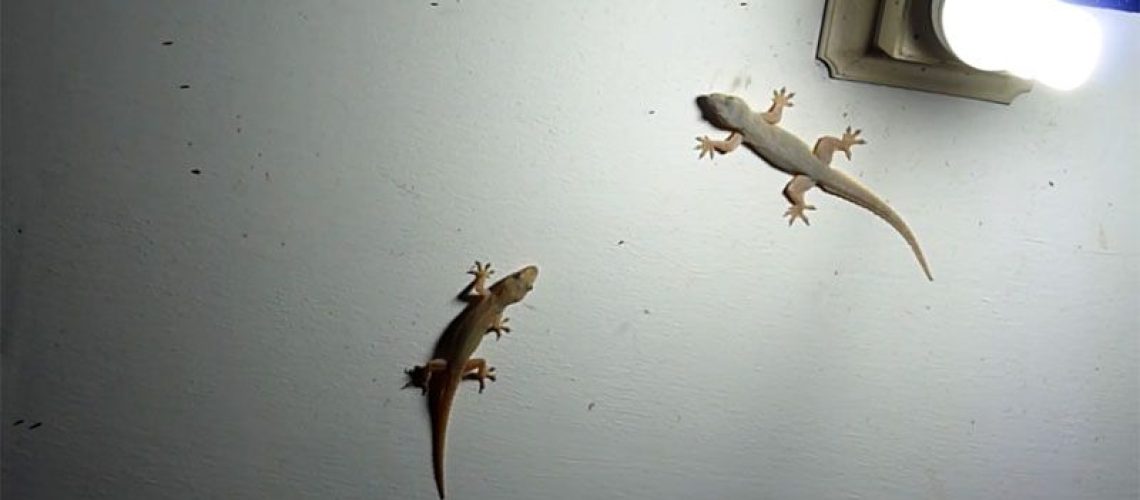
Lizards and flies are common visitors in many Nigerian homes.
You may find lizards crawling along the walls, hiding behind curtains, or resting near ceiling lights. Meanwhile, flies often gather around kitchen counters, uncovered food, rubbish bins, and open windows. Although these creatures can be frustrating, you do not always need harsh chemicals to keep them away.
Natural pest control starts with understanding what attracts these visitors. Flies search for food, moisture, and breeding sites. Lizards often enter homes because they can find insects to eat and sheltered places to hide. By making your home less attractive to both, you can reduce their presence without relying on strong pesticides.
1. Keep Your Kitchen Clean
A clean kitchen is one of the most effective ways to discourage flies. Food crumbs, fruit juice, leftover meals, and dirty dishes provide easy access to food. Even small spills can attract flies when left unattended.
Wipe your kitchen counters after preparing meals. Wash dishes promptly and store leftovers in covered containers. Keep ripe fruits in the refrigerator when practical, especially during hot weather.
Pay attention to your rubbish bin, too. Use a bin with a tight-fitting lid and empty it regularly. Rinse containers that held sugary drinks before disposing of them. These simple habits reduce the smells that attract flies into your home.
2. Use Fly Screens and Close Entry Points
One of the easiest ways to control flies is to stop them from entering in the first place. Install insect screens on windows and doors where possible. Repair torn mesh and seal gaps around window frames.
If you frequently leave your doors open for ventilation, consider using a properly fitted screen door. This allows fresh air into your home while reducing the number of insects that enter.
During the evening, keep doors closed when indoor lights are on. Lights can attract some flying insects towards entrances, increasing the chances that they will get inside.
3. Try a Simple Homemade Fly Trap
A homemade trap can help catch some adult fruit flies, particularly those gathering around ripe fruit or food waste.
Pour a small amount of apple cider vinegar into a cup and add one or two drops of liquid dish soap. Place the cup near the area where fruit flies gather, away from children and pets.
The vinegar attracts some fruit flies, while the soap reduces the liquid’s surface tension, making it easier for them to sink. Replace the mixture regularly and remove the source of the infestation.
Remember that this method works best for certain small fruit flies. It will not reliably control every type of housefly, so sanitation and proper waste management remain essential.
4. Reduce the Insects That Attract Lizards
Lizards often enter homes because they can find insects to eat. If your rooms have plenty of flies, mosquitoes, moths, and other small insects, they may become attractive feeding areas.
Reducing indoor insects can therefore discourage lizards from staying around. Keep food covered, remove rubbish, repair window screens, and avoid leaving unnecessary outdoor lights on near open doors.
You should also check damp corners, drains, and areas around leaking pipes. Standing water and poor sanitation can encourage certain insects, depending on the species.
5. Seal Cracks and Hiding Places
Lizards can squeeze through surprisingly small openings. Inspect gaps around doors, windows, pipes, ventilation openings, and damaged wall surfaces.
Seal suitable cracks with an appropriate filler or sealant. Add door sweeps where gaps exist beneath external doors, and repair damaged screens.
Inside the house, reduce clutter behind cupboards, beneath furniture, and around storage areas. These spaces can provide hiding places for lizards and insects alike.
Outside, trim vegetation that touches the building and remove unnecessary piles of cardboard, wood, or debris near entrances. Such areas can shelter insects and small animals.
6. Use Natural Scents With Realistic Expectations
Some homeowners use scents such as peppermint or citronella in an attempt to discourage pests. However, evidence that these methods reliably repel household lizards and flies is limited.
If you choose to use essential oils, keep them away from children and pets, and never apply concentrated oils directly to animals. Some essential oils can be harmful to cats and other pets.
Avoid spreading mothballs around your home as a supposed natural remedy. They contain pesticides and can be dangerous when used incorrectly. Similarly, do not mix household chemicals or spray homemade mixtures onto food preparation surfaces without checking their safety.
7. Keep Your Bathroom and Drains Clean
Flies can also appear around bathroom drains, sinks, and other damp areas. Certain small flies breed in the organic material that accumulates inside drains.
Clean drain openings and remove visible buildup using an appropriate cleaning method. Fix leaking taps and avoid leaving standing water in buckets or containers for long periods.
If small flies continue appearing near a particular drain, identify the source rather than relying only on traps. Persistent infestations may require more thorough drain cleaning or professional assistance.
8. Remove Lizards Humanely
If a lizard enters your home, you do not necessarily need to kill it. Open an exterior door or window, if safe, and give it a clear escape route. Keep children and pets away while it leaves.
If it remains indoors, you can gently guide it towards the exit using a long piece of cardboard without striking or injuring it. Avoid grabbing its tail, as some lizards can shed their tails when threatened.
Never use glue traps where animals may become trapped and suffer. Humane removal, combined with sealing entry points, is a better long-term approach.
Conclusion
Getting rid of lizards and flies naturally requires consistency rather than a single magic remedy. Keep your kitchen clean, dispose of rubbish properly, eliminate standing water, install window screens, and seal openings around your home. These measures address the conditions that attract pests instead of simply treating the symptoms.
If flies continue appearing in large numbers or lizards repeatedly enter despite your efforts, investigate possible breeding sites and hidden entry points. Persistent or severe infestations may require help from a qualified pest-control professional.
With a few practical changes, you can make your home cleaner, more comfortable, and less attractive to unwanted visitors without depending on harsh chemicals.
