

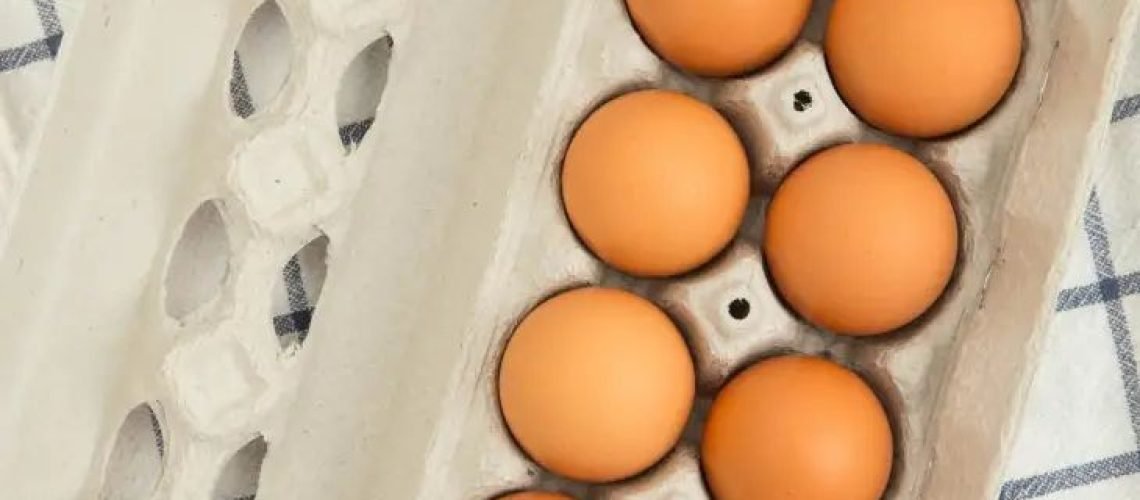
Eggs are a useful household staple, but buying them in bulk only saves money when you store them properly.
Heat, moisture, damaged shells and poor handling can shorten their usable life, while careless storage can increase the risk of foodborne illness.
To keep eggs fresh for longer, buy clean, uncracked eggs from a reliable seller, protect them from temperature changes and follow a consistent storage routine. In a warm climate such as Nigeria’s, refrigeration is particularly useful for slowing quality deterioration. However, the right approach also depends on how the eggs were handled before you bought them.
There is an important distinction between keeping eggs fresh and keeping them safe. An egg may still look normal even when harmful bacteria are present. Therefore, appearance and smell alone cannot guarantee safety.
At a Glance: The Best Way to Store Eggs
| Storage habit | Why it matters |
|---|---|
| Buy clean, uncracked eggs | Damaged shells provide less protection against contamination |
| Refrigerate consistently | Cold storage slows deterioration and bacterial growth |
| Keep eggs in their carton | The carton protects shells and helps limit odour absorption |
| Store away from strong-smelling foods | Eggshells are porous and can absorb surrounding odours |
| Avoid repeated temperature changes | Condensation can form when cold eggs warm up |
| Use older eggs first | Reduces the chance of leaving older stock unused |
| Discard cracked or spoiled eggs | Avoids unnecessary food-safety risks |
The United States Food and Drug Administration recommends storing refrigerated eggs at 4°C (40°F) or below and keeping them in their original carton. It advises using them within three weeks for best quality. That guidance is useful, but local storage conditions and the handling history of eggs sold in Nigerian markets may differ. Do not treat a three-week period as a guarantee that every egg will remain safe.
1. Choose Good Eggs Before You Bring Them Home
Proper storage starts at the point of purchase. If you buy eggs that are already cracked, dirty or poorly handled, refrigeration cannot reverse the damage.
Inspect the tray or carton before paying. Avoid eggs with cracked shells, leaking contents or visible mould. Also check for unusual dirt or contamination. A few small marks may occur in ordinary handling, but heavily soiled eggs deserve caution.
Where possible, buy from a seller who stores and handles eggs carefully. If eggs are sold refrigerated, keep them refrigerated after purchase. If you buy from an open market where they have been held at room temperature, ask how recently they arrived and whether they have been stored in a cool, dry place.
Do not assume that the largest eggs are the freshest. Shell size does not tell you how recently an egg was laid. A reliable supplier and careful inspection are more useful.
For households that buy several crates, consider purchasing quantities you can use within a reasonable period. A bargain becomes wasteful when eggs remain unused until their quality declines.
2. Refrigerate Eggs Consistently
In a warm environment, refrigeration helps slow the changes that occur as eggs age. Keep your refrigerator at 4°C or below where possible, using a refrigerator thermometer rather than relying entirely on the dial setting.
Place eggs inside the refrigerator soon after purchase if they were sold chilled. Avoid leaving them on the kitchen counter for long periods and repeatedly moving them between cold and warm conditions.
A refrigerator also helps protect eggs from temperature fluctuations in the kitchen. This is useful in homes where the temperature rises during the day or where cooking activities produce additional heat.
However, remember that refrigeration does not sterilise eggs. It slows bacterial growth but cannot make contaminated eggs safe. Continue to handle and cook them properly.
3. Keep Eggs in Their Original Carton
It may look attractive to arrange eggs in a refrigerator door rack, but the original carton is often the more practical storage option.
The carton protects eggs from knocks and helps prevent them from absorbing strong odours from foods such as onions, fish and other aromatic ingredients. It also keeps the eggs together, making stock rotation easier.
Write the purchase date on the carton if the seller has not provided a clear date. This is particularly helpful when you buy eggs from a market tray rather than a packaged retail carton.
Place the carton on an internal refrigerator shelf rather than the door when possible. The door experiences more temperature changes because it opens and closes frequently.
If the original carton becomes wet or contaminated, transfer the eggs carefully to a clean, dry container. Do not wash the shells simply to make them look cleaner before storage.
4. Avoid Washing Eggs Before Storing Them
Washing eggs before storage may seem like good hygiene, especially when the shells have dirt on them. However, washing can remove the natural protective layer on the shell, depending on how the eggs were produced and handled.
Commercial egg washing practices vary by country and production system. Some systems wash and sanitise eggs under controlled conditions before refrigeration. You should not assume that the same process applies to every egg sold by a roadside vendor, open market or supermarket in Nigeria.
For household storage, avoid soaking eggs or scrubbing them with water before putting them away. If an egg has substantial contamination, a safer decision may be to reject it rather than attempt to clean and store it.
Always wash your hands after handling raw eggs. Clean any surface that comes into contact with raw egg contents, and do not allow cracked eggs to contaminate other food.
5. Store Eggs Away From Strong-Smelling Foods
Eggshells have tiny pores, so eggs can absorb odours from their surroundings. Although this does not automatically make an egg unsafe, it can affect its smell and the flavour of food prepared with it.
Keep eggs in a carton with the lid closed. Store them away from uncovered fish, onions, garlic and strongly scented foods.
Also protect eggs from spills. If raw meat or other liquids leak onto the carton, remove the affected packaging carefully and check whether any eggshells have become contaminated or cracked.
Organise your refrigerator so eggs are not placed beneath containers that may leak. This simple arrangement reduces the risk of cross-contamination.
6. Use Older Eggs Before Newer Ones
If you buy eggs regularly, do not simply place each new tray in front of the old one. That habit can leave older eggs forgotten at the back of the refrigerator.
Use a first-in, first-out system. Place newly purchased eggs behind the older ones and use the older stock first, provided it has been stored properly and remains suitable for use.
Label cartons with the purchase date. If you buy from different sellers, record the source as well. This can help you identify which supplier consistently provides better-quality eggs.
For a small restaurant, bakery or food business, keep purchase and stock records. These records make it easier to track batches and reduce waste.
7. Can You Freeze Eggs to Make Them Last Longer?
Yes, but you should not freeze eggs in their shells. The contents expand during freezing and can cause the shells to crack.
If you have more eggs than you can use, break them into a clean bowl and check each egg individually before combining them. Beat whole eggs gently, then transfer them into a suitable freezer-safe container. You can also freeze separated whites or yolks, although yolks may need preparation to maintain a usable texture.
Label each container with the date and quantity. Leave enough space for expansion and freeze promptly.
When you need the eggs, thaw them in the refrigerator rather than leaving them on the counter. Use thawed eggs in cooked dishes and do not refreeze them after thawing.
Freezing changes texture, so thawed eggs may not be ideal for every recipe. They are generally more suitable for baking, scrambled dishes and other preparations where the original shell-egg texture is not essential.
8. How to Tell When an Egg May No Longer Be Good
Do not rely on one home test to decide whether an egg is safe. The familiar water-float test can indicate changes in the size of an egg’s air cell, but it does not reliably detect harmful bacteria.
Instead, inspect the shell before cracking it. Discard eggs with cracked or leaking shells, visible mould or unusual contamination.
Crack each egg into a separate clean bowl before adding it to a recipe. This allows you to check for unusual odours, discolouration or an abnormal appearance without contaminating the rest of your ingredients.
A strong unpleasant smell is a clear reason to discard an egg. However, an egg that smells normal is not automatically safe. Follow proper storage and cooking practices rather than relying on smell alone.
When you are uncertain about the storage history, especially if eggs have been exposed to high temperatures for an extended period, take the safer option and discard them.
9. Handle Eggs Safely When Cooking
Storage is only one part of egg safety. How you prepare eggs also matters.
Wash your hands before and after handling raw eggs. Clean utensils, chopping boards, bowls and work surfaces that come into contact with raw egg contents.
Cook eggs until the whites and yolks are firm when following standard household food-safety guidance. Dishes containing eggs should also be cooked thoroughly. If a recipe uses raw or lightly cooked eggs, choose pasteurised egg products where available.
Avoid leaving cooked eggs at room temperature for long periods. Refrigerate leftovers promptly in clean, covered containers. The FDA recommends using refrigerated hard-cooked eggs within one week and refrigerated leftover egg dishes within three to four days.
These recommendations come from US food-safety guidance, so businesses should also follow the applicable food-safety requirements in their own jurisdiction.
10. Common Egg-Storage Mistakes to Avoid
Even households with refrigerators can waste eggs through avoidable habits.
- Leaving chilled eggs outside for extended periods: Repeated warming and cooling can encourage condensation and reduce storage quality.
- Keeping eggs in the refrigerator door: Frequent temperature changes make this a less stable location.
- Washing eggs before storage: This can interfere with the shell’s protective surface.
- Ignoring cracked shells: Damaged eggs should not be treated like intact eggs.
- Mixing old and new stock without labels: You may lose track of which eggs need to be used first.
- Relying on the float test: It cannot confirm whether an egg is free from harmful bacteria.
- Storing eggs beside uncovered strong-smelling foods: This can affect their odour and flavour.
Make Every Egg Count
Buying eggs in bulk can help a household or food business manage grocery costs, but the savings depend on good storage and sensible stock rotation. Choose clean, intact eggs, keep them consistently refrigerated when that is the storage method used, protect them in their carton and use older stock first.
Most importantly, do not confuse freshness with safety. An egg can look normal and still carry a food-safety risk. Handle raw eggs carefully, cook them properly and discard any that show signs of damage or spoilage.
A few simple habits can help you reduce waste, protect your household and get better value from every tray of eggs you buy.
Frequently Asked Questions
1. How long can eggs stay fresh in the refrigerator?
The FDA recommends using refrigerated shell eggs within three weeks for best quality when stored at 4°C (40°F) or below. Actual quality depends on how the eggs were handled before purchase and how consistently they were refrigerated. Do not treat the period as a safety guarantee for every locally sold egg.
2. Should I wash eggs before putting them in the fridge?
Avoid washing eggs before storage unless you are following a suitable controlled process. Washing can remove the shell’s natural protective layer. Reject heavily contaminated eggs rather than soaking and storing them.
3. Is it better to store eggs in the refrigerator door or on a shelf?
An internal shelf is generally better because it experiences fewer temperature changes than the refrigerator door. Keep eggs in their original carton where possible.
4. Can I freeze eggs in their shells?
No. Egg contents expand during freezing and may crack the shells. Break eggs into a clean container, check them individually, beat or separate them as needed, and freeze in suitable labelled containers.
5. Does the water-float test prove that an egg is safe to eat?
No. The float test may indicate changes in an egg’s air cell as it ages, but it cannot confirm whether harmful bacteria are present. Use proper storage, inspect eggs and cook them safely.
