

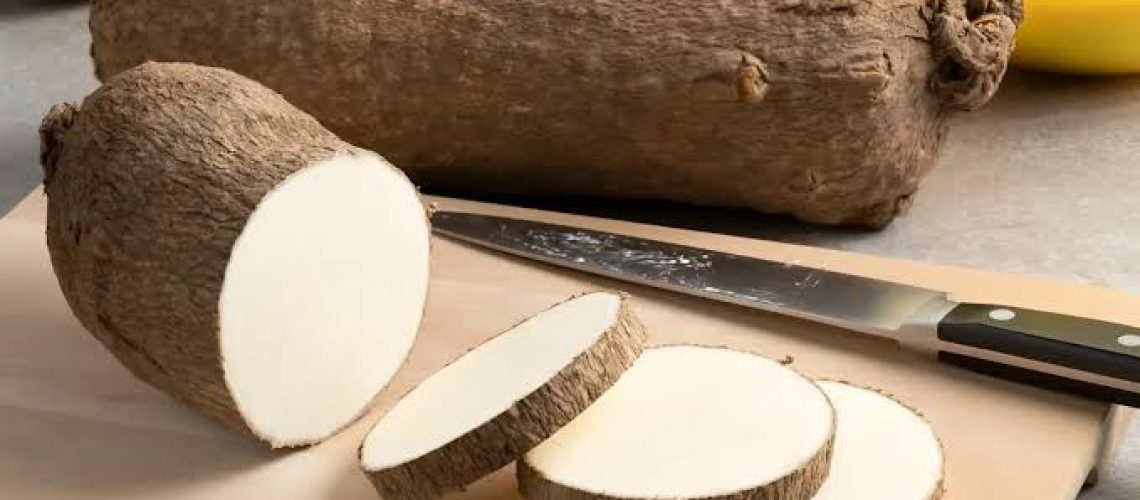
How to Store Yams So They Stay Fresh for Months, Not Weeks
Yams are one of the most valuable staples in many African homes. They can be boiled, fried, roasted, pounded, or turned into porridge. However, buying yams in bulk can create a problem. Without proper storage, tubers may begin to sprout, soften, rot, or develop mould within a few weeks.
The good news is that you can keep yams fresh for several months with the right storage conditions. You do not always need a refrigerator or expensive equipment. What matters most is choosing healthy tubers, keeping them dry, providing ventilation, and protecting them from excessive heat and moisture.
Whether you buy yams from a local market, farm, wholesaler, or through a community bulk-buying arrangement, proper storage can help you reduce food waste and save money.
Choose the Right Yams for Storage
Long-term storage starts at the market.
Not every yam is suitable for keeping for months. When buying yams, select firm, mature and undamaged tubers. Avoid yams with deep cuts, bruises, soft patches or visible mould.
Fresh-looking skin is also important. A yam with significant damage may deteriorate quickly. One rotten tuber can also affect nearby yams if the storage area becomes damp.
Look carefully at the ends of each tuber. Avoid yams that appear unusually soft or wet. You should also be cautious with tubers that already have extensive sprouting.
If possible, buy yams that have been harvested recently and handled carefully.
Do Not Wash Yams Before Storage
One common mistake is washing yams immediately after buying them.
It may seem sensible to clean the tubers before putting them away. However, excess moisture can encourage mould and decay.
Instead, keep the yams dry. If there is loose soil on the surface, gently brush it away. Avoid soaking the tubers in water.
If you have already washed them, allow them to dry completely in a well-ventilated area before storage.
The goal is simple: keep moisture away from the yam for as long as possible.
Cure Yams Before Long-Term Storage
Curing can help yams develop a tougher outer surface after harvest.
If you have freshly harvested yams, place them in a dry, shaded and well-ventilated location for several days. Avoid exposing them to harsh direct sunlight for long periods.
Curing allows minor surface injuries to dry and harden. This can provide additional protection during storage.
However, do not store freshly harvested yams in a damp room simply because you want them to cure. Good airflow remains essential.
Once the surface feels dry and firm, you can move the yams into their longer-term storage area.
Find a Cool, Dry and Well-Ventilated Space
The storage environment has a major effect on how long yams remain usable.
A good storage area should be:
- Dry
- Cool or moderately cool
- Well ventilated
- Protected from direct sunlight
- Free from standing water
- Away from pests
- Clean and relatively free from mould
A traditional yam barn can work well because it allows air to circulate around the tubers. At home, you can recreate some of these conditions with a raised storage rack.
Do not place yams directly on a damp concrete floor. Moisture from the floor can contribute to decay.
Instead, use a wooden platform, rack, pallet or another clean raised surface.
Keep Yams Away From Direct Sunlight
Sunlight and excessive heat can damage stored yams.
A balcony or open area may appear convenient, but prolonged exposure to strong sunlight can increase temperatures around the tubers.
Choose a shaded location with good airflow instead.
If you live in a hot environment, pay particular attention to ventilation. A stuffy room can become significantly warmer than the surrounding area.
Open windows or vents where practical, while still protecting the yams from rain.
Do Not Pack Yams Too Tightly
Yams need air circulation.
When tubers are piled tightly together, heat and moisture can become trapped between them. This creates an environment where mould and rot can spread more easily.
Arrange yams so that air can move around them.
If you are storing a large quantity, consider using racks or shelves. You can also separate layers with clean, dry materials that allow ventilation.
Avoid sealing yams inside airtight plastic bags.
Plastic can trap moisture around the tubers. That moisture may encourage fungal growth and accelerate deterioration.
Inspect Your Yams Regularly
Long-term yam storage is not a case of putting the tubers away and forgetting about them.
Check your stock regularly.
Look for:
- Soft spots
- Mould
- Unusual smells
- Excessive sprouting
- Wet areas
- Signs of insects or rodents
- Tubers that are beginning to shrink excessively
Remove damaged yams immediately.
If one tuber begins to rot, keeping it beside healthy yams can increase the risk of problems spreading.
Regular inspection also helps you identify which yams should be used first.
Handle Yams Carefully
Yams may have tough skins, but they are not indestructible.
Throwing or dropping tubers can create internal or external injuries. These wounds can become entry points for microorganisms.
Handle yams carefully when moving them from the market to your home. Do the same when rearranging them in storage.
If a yam has a small damaged area, separate it from the healthy stock and use it sooner rather than later.
Do not assume that a damaged yam will remain suitable for months simply because the damage looks minor.
Protect Your Yams From Pests
Rodents and insects can also shorten the storage life of yams.
Keep the storage area clean and remove food waste that could attract pests. Check walls, doors and windows for possible entry points.
A raised rack can make inspection easier and may also provide some protection from rodents.
However, the best approach is to combine physical protection with good sanitation.
Avoid using chemicals directly on food unless they are specifically approved for that purpose and used according to their instructions.
Avoid Refrigerating Whole Yams Unless Necessary
The refrigerator may seem like the obvious solution for keeping food fresh. However, whole yams are generally better stored in a suitable dry, ventilated environment rather than relying on refrigeration.
The bigger challenge is controlling moisture and temperature at home.
If you have already peeled or cut a yam, however, the situation is different. Cut yam should be handled as a perishable food. Store it appropriately and use it promptly.
For households that buy whole yams in bulk, keeping the tubers intact for as long as possible is usually more practical.
Store Only What You Can Monitor
Buying in bulk can save money, but buying more than you can properly store can have the opposite effect.
Before purchasing a large quantity, consider your available storage space.
A household without a dry, ventilated storage area may lose more money through spoilage than it saves through bulk purchasing.
This is especially important for families, food vendors, restaurants and community buying groups.
If several households buy yams together, they can divide the tubers according to storage capacity. Each household can then monitor its portion instead of keeping an enormous pile in one unsuitable location.
Know When Your Yams Are No Longer Safe to Use
Not every change means a yam has gone bad. Some sprouting or surface changes can occur naturally during storage.
However, heavily mouldy, rotten, foul-smelling or severely deteriorated yams should not be treated as normal.
When in doubt, separate questionable tubers from the rest of your supply. Food safety should always come before trying to save one yam.
Final Thoughts
Keeping yams fresh for months is less about a complicated storage technique and more about consistency. Start with healthy, mature tubers. Handle them carefully and keep them dry. Cure freshly harvested yams where appropriate. Then store them somewhere cool, shaded and well ventilated.
Most importantly, inspect your supply regularly.
For Nigerian households and other communities where yams are bought in significant quantities, good storage can make a noticeable difference. Instead of watching your investment disappear through mould, rot and unnecessary waste, you can extend the useful life of your yams and make bulk buying more worthwhile.
The secret is simple: dry yams, good airflow, careful handling and regular inspection.
