

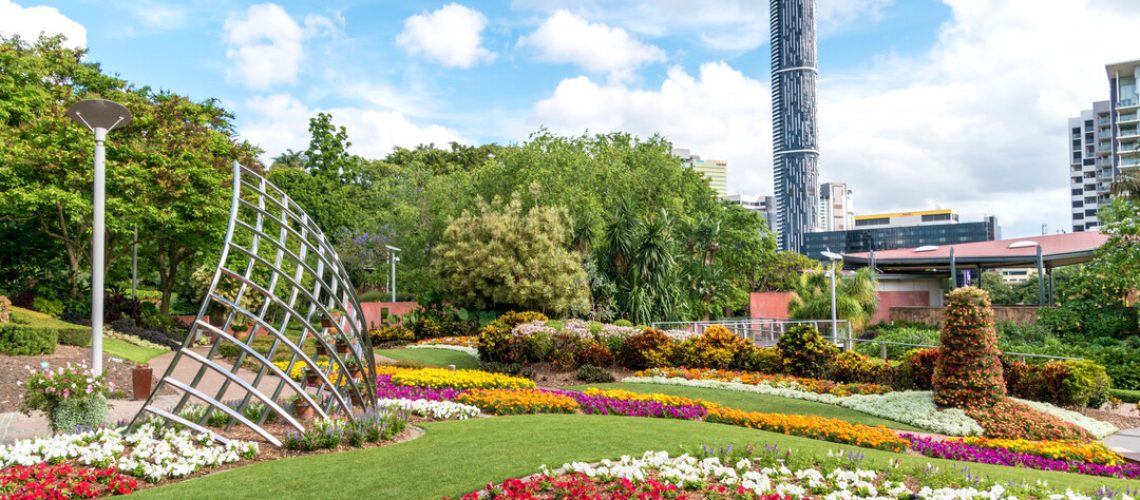
Urban parks are more than open spaces filled with trees, benches, and walking paths.
In growing African cities, they can become important community assets that improve quality of life, encourage social interaction, support local businesses, and provide residents with places to relax and exercise.
As cities become more crowded, well-managed public parks can offer residents something increasingly valuable: accessible space for recreation and community life.
Creating Spaces for Everyone
A successful urban park should serve different groups within the community. Children need safe play areas, while young people may need spaces for sports and social activities. Older residents may prefer shaded seating, walking paths, and quiet areas.
Park design should therefore consider accessibility, safety, lighting, sanitation, seating, and facilities for people with disabilities. When residents can use a park comfortably regardless of age or physical ability, the space becomes more valuable to the entire community.
Supporting Local Recreation
Urban parks can provide affordable alternatives to private recreational facilities. Walking trails, football fields, basketball courts, playgrounds, outdoor gyms, and open spaces can encourage residents to remain physically active.
Community organisations can also use parks for fitness classes, cultural performances, children’s activities, and educational programmes. These activities can make parks active throughout the week instead of leaving them unused for long periods.
Creating Opportunities for Small Businesses
With appropriate planning, parks can also support local economic activity. Small food vendors, artisans, coffee sellers, book vendors, event organisers, and recreational service providers may find opportunities around busy public spaces.
However, commercial activities should follow clear rules. Proper waste management, designated vending areas, reasonable fees, and sanitation requirements can help businesses operate without damaging the park.
This approach can create a relationship where the park supports local livelihoods while businesses contribute to the maintenance and attractiveness of the space.
Strengthening Community Connections
A park can become a meeting point where neighbours interact regularly. Community meetings, cultural festivals, open-air exhibitions, children’s programmes, and recreational events can bring different groups together.
These interactions can help residents develop stronger connections with their neighbourhood. A well-used public space may also encourage people to take greater interest in keeping their surroundings clean and safe.
Encouraging Community Participation
Residents should have a voice in how their local parks are developed. Before introducing major changes, city authorities can consult residents, community organisations, schools, businesses, and other users.
Community participation can reveal practical needs that planners might otherwise overlook. For example, residents may identify the need for additional lighting, more seating, children’s facilities, public toilets, or spaces for local events.
Some communities can also participate directly in park maintenance through volunteer programmes and neighbourhood associations.
Improving Urban Environmental Conditions
Urban parks can provide environmental benefits alongside recreational ones. Trees and vegetation can provide shade, improve the appearance of neighbourhoods, support biodiversity, and contribute to more comfortable urban environments.
Green spaces can also create areas where residents can escape heavily built-up surroundings. In cities facing increasing development pressure, protecting and expanding accessible green spaces can become an important part of urban planning.
Making Parks Safer
Safety is essential if parks are expected to become genuine community assets. Poor lighting, neglected facilities, overgrown vegetation, and limited visibility can discourage residents from using public spaces.
Cities can improve safety through adequate lighting, clear pathways, regular maintenance, visible entrances, emergency access, and appropriate security measures. Designing parks so that people can naturally see and interact with one another can also encourage regular activity.
The goal should be to create spaces that feel active and welcoming rather than isolated.
Using Parks for Education and Culture
Urban parks can become outdoor classrooms and cultural spaces. Schools can organise environmental lessons, gardening activities, art programmes, and educational visits.
Communities can also use parks to showcase local music, dance, crafts, storytelling, food, and cultural traditions. These activities can give residents opportunities to celebrate local identity while introducing visitors to the character of the neighbourhood.
Maintaining the Space Over Time
Building a park is only the beginning. Without regular maintenance, facilities can deteriorate quickly.
Local authorities can establish clear maintenance responsibilities covering landscaping, waste collection, lighting, playground equipment, drainage, seating, and public facilities.
Partnerships with community organisations and responsible private-sector groups may also help support maintenance where appropriate. The important factor is having a clear system that keeps the park functional after its initial development.
Making Parks Financially Sustainable
Long-term funding remains an important consideration. Cities can explore different approaches, including municipal budgets, carefully managed concessions, community partnerships, sponsorships, and revenue from permitted events.
Revenue generation should not make public parks inaccessible to lower-income residents. The primary purpose of the space should remain public access and community benefit.
Conclusion
Urban parks can become much more than attractive pieces of land within a city. With thoughtful planning, community participation, reliable maintenance, and inclusive facilities, they can support recreation, social connection, environmental improvement, cultural activities, and local economic opportunities.
For rapidly growing African cities, investing in community-focused parks can help create neighbourhoods where people have accessible spaces to meet, relax, exercise, and participate in community life. The most successful parks are not simply spaces that cities build; they are places that communities actively use, value, and help sustain.
