

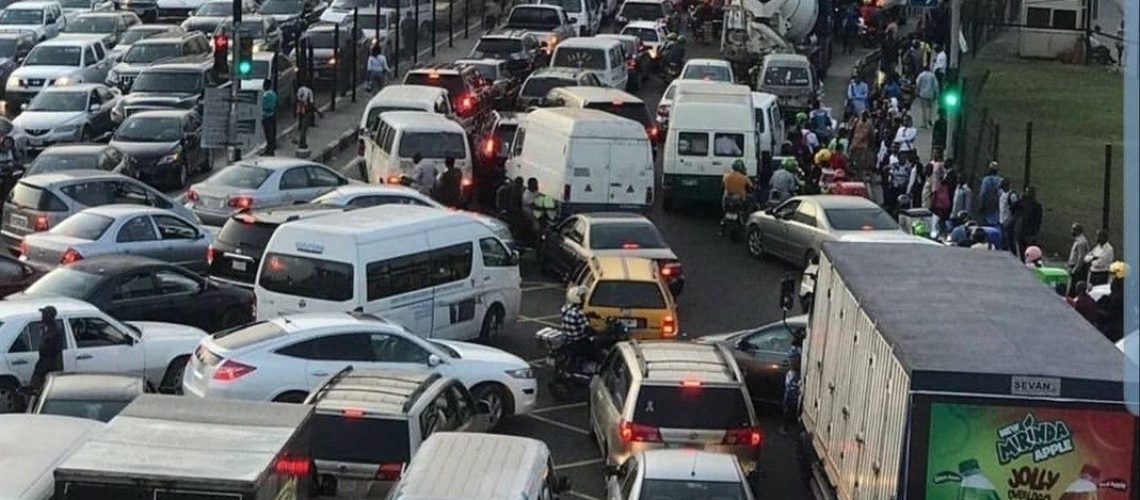
Lagos Traffic Hacks: Beat the Bridge, Beat the Stress
Lagos traffic can turn a short journey into a frustrating experience. A trip that should take 20 minutes may stretch beyond an hour, especially during rush hour. From the Third Mainland Bridge to the Lekki-Epe Expressway, Ikorodu Road and Lagos-Ibadan Expressway, congestion can disrupt work schedules, family plans and personal time.
However, surviving Lagos traffic requires more than patience. You need a strategy. Knowing when to leave, checking road conditions, choosing alternative routes and planning your daily errands can make commuting less stressful.
Whether you work on the Island, live on the Mainland or regularly cross between both areas, these practical Lagos traffic hacks can help you save time, protect your peace of mind and make better use of your day.
1. Know Your Route Before Leaving Home
One of the biggest mistakes Lagos commuters make is assuming that their usual route will always be the fastest. Unfortunately, road conditions can change within minutes because of accidents, vehicle breakdowns, road repairs and sudden congestion.
Before leaving home, check Google Maps or another reliable navigation app for current traffic conditions. Compare available routes instead of automatically following your usual road.
For example, someone travelling from Yaba to Victoria Island may normally use the Third Mainland Bridge. However, an incident or unusual congestion could make another available route more practical, depending on the destination and current conditions.
Keep these habits in mind:
- Check traffic conditions before getting dressed or leaving home.
- Compare estimated travel times across different routes.
- Listen to credible traffic updates when available.
- Recheck your route if traffic suddenly stops moving.
Remember that alternative routes are not always faster. Neighbourhood roads can become congested when too many drivers attempt to avoid the same major road.
2. Understand the Best Time to Travel
Timing can make a significant difference to your Lagos commuting experience. Many major roads experience heavier traffic during morning and evening rush hours, particularly when workers, traders, students and commercial drivers share limited road space.
Morning congestion often builds as people travel towards business districts. In the evening, traffic increases as commuters return to residential areas.
If your work schedule allows flexibility, consider leaving earlier or adjusting your departure time to avoid the busiest periods.
For instance, arriving at the office early may give you time to settle down, organise your tasks and enjoy a quieter start to the day. However, leaving too early without considering your safety, transport availability or workplace arrangements may not be practical.
You should also account for rainy weather, public holidays, major events and school-related traffic. These factors can change familiar commuting patterns.
Instead of relying on a fixed departure time alone, observe your route for a week. Record when traffic begins, how long your journey takes and which days are particularly difficult. This information will help you build a realistic commuting schedule.
3. Treat Bridge Crossings as a Daily Strategy
For many Lagos residents, crossing a bridge is an unavoidable part of getting to work, school or business appointments. The Third Mainland Bridge is a major connection between parts of the Mainland and Lagos Island, while other bridges and connecting roads serve different travel corridors.
The trick is to plan the entire journey, not just the bridge crossing.
Before leaving, check traffic on the approach roads and beyond the bridge. A bridge may appear relatively clear while congestion builds at the junction or destination on the other side.
If you are travelling to Victoria Island, for example, consider the conditions on your approach route and the roads leading towards your workplace. Reaching the bridge quickly means little if you spend another hour trapped after crossing it.
Whenever possible, avoid unnecessary trips across the bridge during peak periods. Schedule appointments in the same area together, work remotely when appropriate or arrange meetings closer to your location.
Most importantly, never use restricted lanes, drive against traffic or make dangerous turns to escape congestion. Saving a few minutes is not worth an accident or legal consequences.
4. Combine Your Errands into One Trip
Running separate errands throughout the week can expose you to more traffic than necessary. A trip to the supermarket on Monday, the pharmacy on Tuesday and the bank on Wednesday may mean three separate journeys through the same congested roads.
A smarter approach is to group errands by location.
If you need groceries, household supplies and a parcel collected, check whether you can handle these tasks in one trip. Prioritise nearby destinations and complete the most time-sensitive errands first.
You can also plan your shopping around your regular commute. For example, if a supermarket is close to your workplace, you might stop there on your way home instead of making a separate journey later.
However, avoid adding too many stops during rush hour. A well-planned trip should reduce travel time, not create more unnecessary delays.
For busy professionals and families, using a reliable errand-running service can also help. Someone else can handle suitable tasks while you focus on work, rest or other responsibilities. Before engaging a service, confirm its fees, delivery times and procedures for handling payments or valuable items.
5. Consider Public Transport and Alternative Mobility Options
Driving is not always the most efficient way to move around Lagos. Depending on your starting point and destination, public transport may offer a more predictable journey or reduce the stress of navigating congested roads.
Options include buses, regulated ride-hailing services, ferries on suitable waterways and the Lagos Rail Mass Transit system where stations serve your route.
For example, a commuter whose journey connects conveniently with the Blue Line or Red Line may be able to avoid some road congestion by using rail for part of the trip.
Water transport can also be useful for certain journeys, particularly when the departure and arrival points are accessible from the relevant terminals.
Before changing your routine, compare the full journey. Include the time needed to reach a station, wait for transport and travel from the final stop to your destination. Check operating hours, fares, service updates and safety arrangements.
The fastest option depends on your particular route. A combination of walking, rail, buses or other suitable transport may sometimes work better than relying on a single mode.
6. Use Traffic Time Without Sacrificing Your Well-Being
Even with excellent planning, you will occasionally get stuck in traffic. Rather than allowing every delay to ruin your mood, prepare for the possibility.
Keep drinking water in your bag, charge your phone before leaving and carry essential items such as medication you normally need. If you are a passenger, consider listening to an audiobook, educational podcast or relaxing music.
Drivers, however, should keep their attention on the road. Do not watch videos, type messages or handle your phone while driving. If you need to make a call or respond to an urgent message, stop somewhere safe and legal first.
You should also avoid scheduling important meetings immediately after journeys that frequently experience delays. Allow a reasonable buffer for unexpected congestion.
When possible, inform colleagues or clients early if traffic threatens your arrival time. A timely update is more professional than disappearing and offering an explanation much later.
7. Protect Your Mental Health During the Commute
Lagos traffic is not only a transportation problem. It can also affect your mood, concentration, sleep and relationships.
Repeated delays may create anxiety, especially when you worry about arriving late or losing valuable working hours. Unfortunately, aggressive driving and constant frustration rarely improve the situation.
Start by accepting what you cannot control. You cannot personally clear a blocked road, prevent every accident or eliminate congestion across the city. However, you can control your preparation, responses and expectations.
Leave enough time for your journey whenever possible. Avoid unnecessary arguments with other road users, and take slow, comfortable breaths when frustration builds.
If traffic regularly leaves you exhausted, examine your wider routine. Could you negotiate flexible working hours, arrange occasional remote work or move certain appointments online?
Small adjustments can protect your energy over time.
Conclusion
Beating Lagos traffic does not always mean finding an empty road. Sometimes, it means leaving at a better time, choosing suitable transport, combining errands or avoiding an unnecessary trip altogether.
By checking traffic conditions, planning bridge crossings, exploring alternative routes and protecting your mental well-being, you can make commuting more manageable.
Ultimately, the goal is not to control every road in Lagos. It is to stop traffic from controlling your entire day. With a practical routine and a little flexibility, you can spend less time stressing over the journey and more time focusing on what matters.
