

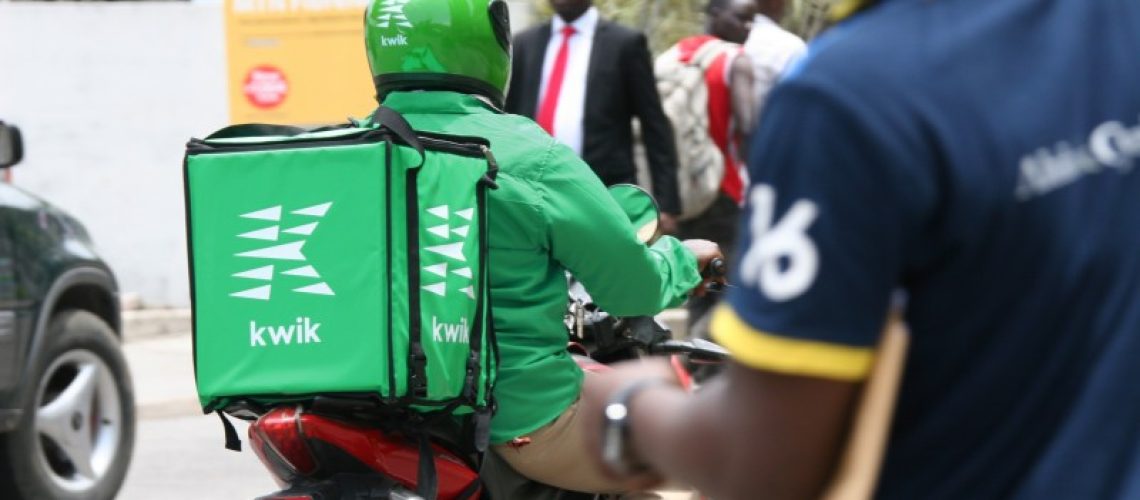
Last-Mile Delivery in Lagos: Why It’s So Hard and How to Fix It
For many businesses in Lagos, getting a package from one part of the city to another sounds simple. In reality, the final stretch of a delivery can be the most complicated part of the entire logistics process.
A product may travel smoothly from a warehouse to a distribution centre, only to face traffic, difficult addresses, road conditions, security concerns and an unavailable customer during the last few kilometres.
This is the challenge of last-mile delivery.
Last-mile delivery refers to the final stage of moving goods from a distribution point, warehouse, store or hub to the customer. In Lagos, this stage is particularly challenging because of the city’s size, population, traffic patterns and rapidly growing demand for online shopping and doorstep services.
So, why is last-mile delivery in Lagos so difficult, and what can businesses do about it?
Why Last-Mile Delivery Is So Difficult in Lagos
1. Traffic Can Change the Entire Delivery Plan
Traffic is one of the biggest problems facing delivery companies in Lagos.
A journey that should take 30 minutes can suddenly take two hours because of congestion. Areas such as Ikeja, Lekki, Oshodi, Apapa, Yaba and the Lagos Island axis can experience significant traffic at different times of the day.
For delivery companies, this creates more than inconvenience.
A rider who spends several hours stuck in traffic can complete fewer deliveries. This increases fuel consumption, labour costs and delivery times.
Traffic also makes it difficult for businesses to promise accurate delivery windows.
2. Addresses Are Not Always Easy to Find
Lagos has formal addresses, but not every location is straightforward to identify.
Some customers provide incomplete addresses. Others rely on landmarks such as churches, filling stations, schools, markets or popular junctions.
For example, an address may say, “After the second street beside the filling station,” rather than provide a precise building number.
This can force riders to call customers repeatedly or stop to ask for directions.
The problem becomes even greater in densely populated neighbourhoods where several streets may have similar names.
3. Customers Are Not Always Available
A delivery is only successful when the customer receives the package.
However, customers may be at work, stuck in traffic, unavailable by phone or simply unable to receive an order at the agreed time.
Failed deliveries create additional costs.
The rider may need to return later, contact the customer again or attempt delivery on another day. For businesses handling hundreds of packages, these repeated attempts can quickly become expensive.
4. Road Conditions Affect Delivery Speed
Not every road in Lagos offers the same driving conditions.
Some areas have well-maintained roads, while others have potholes, flooding, construction activity or narrow access routes.
During the rainy season, certain roads can become particularly difficult to navigate.
These conditions affect motorcycles, cars and vans differently. They can also increase vehicle maintenance costs and create safety risks for riders.
5. Security Is Another Consideration
Delivery companies must also consider the safety of their riders, vehicles and packages.
Some areas may require riders to exercise additional caution, particularly when carrying valuable items or operating late in the day.
Businesses therefore need delivery systems that consider not only speed but also rider safety, package security and route suitability.
The Real Cost of Poor Last-Mile Delivery
Poor last-mile delivery affects more than logistics companies.
It can damage the customer’s entire experience with a business.
Imagine ordering a product online and receiving multiple calls because the rider cannot locate your address. Then imagine waiting several hours beyond the expected delivery time.
Even if the product itself is excellent, the customer may remember the frustrating delivery experience.
For businesses, repeated delivery failures can lead to:
- Higher fuel and transportation costs
- More failed deliveries
- Increased customer complaints
- Longer delivery times
- Product returns
- Lower customer satisfaction
- Reduced repeat purchases
In competitive markets, delivery can become a major part of a company’s reputation.
How Can Lagos Businesses Fix the Problem?
There is no single solution to Lagos’ last-mile delivery challenges. However, businesses can significantly improve their operations by combining technology, better planning and reliable delivery partners.
1. Use Better Route Planning
Delivery companies should not rely entirely on riders deciding their routes manually.
Route optimisation tools can help businesses group deliveries by location and identify more efficient routes.
Instead of sending one rider across Lagos multiple times, orders can be organised according to geographical zones.
This reduces unnecessary movement and allows riders to complete more deliveries within the same period.
2. Create Delivery Zones
Businesses can divide Lagos into delivery zones.
For example, orders can be grouped into areas such as the Island, Mainland, Ikeja, Lekki, Ajah and other operational zones.
This approach makes it easier to assign riders and calculate delivery costs.
It also helps businesses create realistic delivery expectations based on distance and traffic conditions.
3. Improve Address Collection
Businesses should collect more than a customer’s basic address.
A useful delivery form can request:
- Full address
- Nearest landmark
- Estate or building name
- Phone number
- Alternative contact
- Location pin where possible
Encouraging customers to share their location through digital maps can dramatically reduce the time riders spend searching for addresses.
4. Communicate Before Delivery
A simple message can prevent a failed delivery.
Customers can receive notifications before the rider arrives, giving them time to prepare.
The message could confirm the order, estimated arrival period and rider’s contact information.
If the customer is unavailable, they can communicate early rather than waiting until the rider reaches the location.
5. Use Local Delivery Partners
Businesses that do not have their own delivery fleet can work with experienced local logistics providers.
A reliable delivery partner should understand Lagos neighbourhoods, traffic patterns, customer expectations and common delivery challenges.
However, businesses should evaluate delivery partners based on more than price.
They should consider reliability, tracking, customer service, delivery success rates, rider professionalism and how quickly problems are resolved.
6. Use Pickup Points and Collection Hubs
Doorstep delivery is convenient, but it does not have to be the only option.
Businesses can introduce pickup locations where customers collect their orders.
This can reduce failed deliveries and allow several packages to be delivered to one location instead of sending individual riders to multiple addresses.
For customers who work long hours or live in difficult-to-access areas, pickup points can also provide greater flexibility.
Technology Can Make a Major Difference
Technology will play an increasingly important role in improving last-mile delivery in Lagos.
Real-time tracking can allow businesses and customers to see where an order is. Digital payment systems can reduce delays during collection. Automated notifications can keep customers informed.
Businesses can also analyse delivery data to identify recurring problems.
For example, if deliveries to a particular area regularly fail between 5 p.m. and 7 p.m., the company can change its delivery schedule.
The goal is not simply to deliver faster.
The goal is to make delivery more predictable, efficient and reliable.
The Future of Last-Mile Delivery in Lagos
Lagos will continue to grow, and so will demand for fast and convenient delivery. E-commerce, restaurants, pharmacies, supermarkets, small businesses and corporate organisations increasingly depend on reliable last-mile logistics.
The companies that succeed will be those that treat delivery as an important part of the customer experience rather than an afterthought.
Better route planning, accurate addresses, customer communication, local expertise and technology can reduce many of the challenges businesses face.
Lagos may never become a city without traffic or unpredictable roads. However, businesses do not have to let these challenges completely control their delivery operations.
The future of last-mile delivery in Lagos is not about finding a perfect route. It is about building a smarter system that can adapt when the route changes.
