

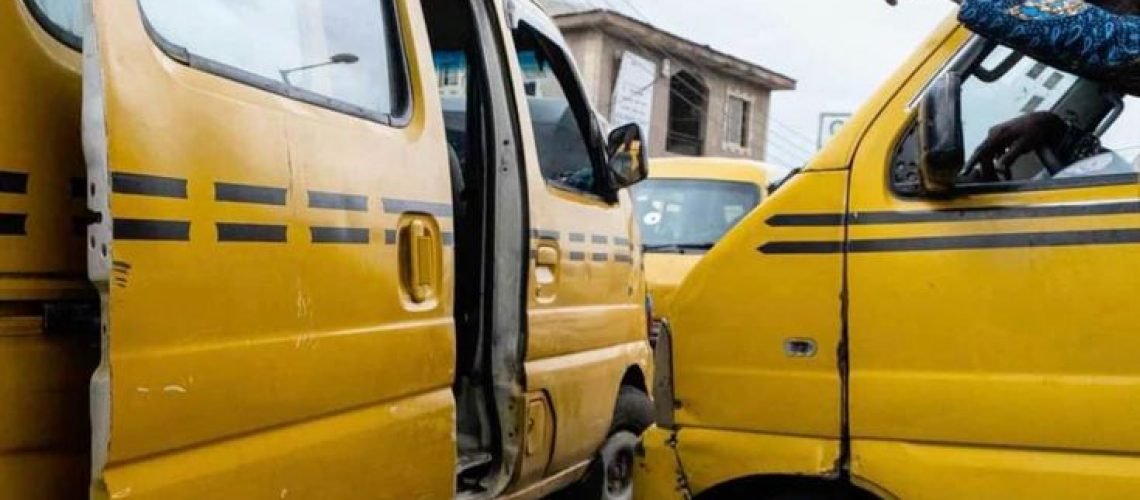
A difficult Lagos commute can drain your money, time and energy before your working day even begins.
However, you can make the journey less stressful by choosing a more reliable route, adjusting your departure time, combining transport options and preparing for delays. You may not eliminate traffic, but you can reduce how much it disrupts your life.
Whether you travel from Ikorodu to Victoria Island, Ajah to Ikeja, or Abule Egba to Lagos Island, the most useful strategy is to plan around your actual journey rather than follow a routine that no longer works.
At a glance: Five ways to improve your Lagos commute
| Common problem | Practical response |
|---|---|
| Unpredictable traffic | Check your route before leaving and identify an alternative |
| Expensive transport | Compare fares and consider suitable public transport connections |
| Long waiting times | Leave a realistic buffer and use recognised bus stops |
| Exhaustion and discomfort | Prepare water, food and essential items |
| Transport disruptions | Keep an alternative route and emergency fare |
1. Why does Lagos traffic make commuting so difficult?
Lagos has a complex road network serving residential areas, commercial districts, markets, schools, ports and industrial zones. Many commuters also travel between locations separated by bridges, major junctions and busy expressways.
Consequently, a journey that looks short on a map can take much longer during peak periods. A minor accident, broken-down vehicle, road construction or poorly managed junction can create delays that affect several connected routes.
The problem becomes worse when you depend on only one route. If that road becomes blocked, you may have few practical alternatives.
How to overcome it: Learn at least two possible routes to your regular destination. They do not have to be equally convenient. One can serve as your normal route, while the other provides a backup when traffic becomes unusually heavy.
Also, avoid assuming that yesterday’s travel time will remain the same today. Check current traffic information before leaving, especially when you have an appointment or an important meeting.
2. Stop leaving home at the last possible minute
One of the biggest commuting mistakes is planning around the ideal journey time instead of the realistic one.
For example, if your usual journey takes 50 minutes when roads are clear, that does not mean you should leave home 50 minutes before work. A delay at a junction, transport interchange or bus stop could make you late.
Instead, calculate your journey using three periods:
- Normal journey time: How long the trip usually takes when traffic moves reasonably well.
- Delay allowance: Extra time for congestion, waiting and transfers.
- Arrival buffer: Time to settle in before work or an appointment.
Track your journey for a week. Record when you leave, when you arrive and where you experience the longest delays. This gives you a more realistic departure time.
However, leaving earlier does not always mean leaving extremely early. Test different departure times and identify the period that gives you the best balance between travel time, sleep and transport costs.
3. Consider public transport before driving every day
Driving offers flexibility, but it also exposes you to fuel costs, parking expenses, traffic and vehicle maintenance. If a suitable public transport connection serves your route, compare the total cost before deciding to drive.
Lagos has several public transport options, including regulated bus services and rail connections. The Lagos Metropolitan Area Transport Authority (LAMATA) oversees public transport planning and infrastructure, including the Lagos Rail Mass Transit network.
For example, the Red Line connects Agbado and Oyingbo through stations including Iju, Agege, Ikeja, Oshodi, Mushin and Yaba. The Blue Line serves a different corridor. These services may help commuters whose journeys connect conveniently with the stations.
Check the current operating times and service announcements through LAMATA’s official website. Do not assume that a train or bus will take you directly to your final destination. You may still need a short connecting journey.
Try a mixed commute: You could take a bus to a rail station, use the train for the longer section and complete the journey with a short walk or another transport connection. Compare the total journey time and cost, not just the fare for one part.
4. Reduce the cost of daily transport
Transport expenses can become a serious part of a household budget. When fares increase or you make several connections, small daily payments can add up over a month.
Start by calculating what you actually spend. Include the morning journey, evening return, additional connections and occasional emergency transport.
Then consider these adjustments:
- Compare the cost of different routes.
- Avoid unnecessary trips during the working day.
- Share rides with trusted colleagues when routes and schedules match.
- Ask whether your employer offers flexible start times or hybrid work.
- Combine errands with your normal journey where practical.
However, do not choose a cheaper route if it creates an unreasonable safety risk or adds several hours to your day. The objective is to reduce your overall commuting burden, not simply pay the lowest possible fare.
5. Make waiting and transfers less stressful
Waiting for a bus can be frustrating, particularly when vehicles arrive irregularly or fill up quickly. Transfers can create another problem when you need to cross a busy road or find a different vehicle.
You can make these moments easier by identifying reliable boarding points and planning your connections in advance.
Use designated bus stops and terminals rather than boarding from unsafe roadside locations. Lagos State has repeatedly warned commercial transport operators against indiscriminate parking, loading and route violations because these practices obstruct traffic and create risks for other road users.
Keep your phone charged, but avoid becoming so distracted that you miss your stop or overlook your surroundings. If you use a transport app, confirm the vehicle and destination before entering.
For a journey with several connections, write down the sequence of stops. This is especially useful when you are travelling somewhere unfamiliar.
6. Prepare for Lagos weather and long journeys
Heat, rain, dust and overcrowded vehicles can make an already difficult commute uncomfortable. A small commuter kit can help you manage these conditions.
Consider carrying:
- A refillable water bottle.
- A small umbrella or raincoat.
- A power bank and charging cable.
- A light snack.
- Hand sanitiser and tissues.
- Essential medication, where applicable.
- A small amount of emergency cash.
During heavy rainfall, check whether your usual route has a history of flooding. Avoid walking or driving through floodwater when you cannot assess its depth or the condition of the road.
Also, wear comfortable shoes if your commute involves walking between transport points. You can keep formal shoes at work if necessary.
7. Use your journey more intentionally
A long commute does not have to become another source of frustration. Where your safety and transport conditions allow, use some of the time for activities that do not require constant attention to your phone.
You could listen to an educational podcast, an audiobook or a downloaded playlist. Alternatively, use the journey to rest your mind rather than fill every minute with work.
Avoid trying to answer emails or perform tasks that distract you from your surroundings. If you are driving, never use your phone while the vehicle is moving.
You should also protect your sleep. Leaving home earlier may help with traffic, but consistently sacrificing rest can affect your health and concentration.
8. Know when to ask for a different work arrangement
Sometimes the best solution is not another road or transport option. It is a change in how you work.
If your job allows it, discuss staggered working hours, occasional remote work or a hybrid schedule with your employer. A shift from the busiest commuting period could make a significant difference.
Prepare a practical proposal rather than simply saying that traffic is difficult. Explain how the arrangement could improve punctuality, productivity and employee well-being without affecting business operations.
A practical Easer option for busy Lagos residents
Not every journey needs to involve carrying out errands yourself. If you have groceries to collect, documents to move or other tasks that can be handled by a suitable service, consider arranging them separately from your daily commute.
Easer Lifestyle offers errand-related services in Lagos. Before booking, confirm the task, service coverage, timing and applicable charges through its errand request page.
Need to free up time for your journey? Review Easer’s errand services and check whether the task you have in mind can be handled for you.
Frequently asked questions
1. What is the best time to leave home to avoid Lagos traffic?
There is no single departure time that works for every route. Track your journey for several days, compare departure periods and allow extra time for unexpected delays.
2. Is public transport cheaper than driving in Lagos?
It can be, particularly when you consider fuel, parking and vehicle maintenance. However, compare the full cost of your route, including connecting transport and waiting time.
3. Does the Lagos train serve every part of the city?
No. The Red and Blue Lines serve specific corridors. Check the stations and current service information through LAMATA before planning your journey.
4. How can I make a long commute more comfortable?
Carry water, protect yourself from rain and heat, keep your phone charged and wear comfortable clothing. Plan your connections so you do not have to make rushed decisions.
5. What should I do if my usual route is blocked?
Check traffic information, identify a safe alternative and allow extra travel time. Avoid making sudden route changes based on unverified messages or unsafe shortcuts.
Make your next journey easier
You cannot control every traffic incident, but you can control how prepared you are. Review your route, compare transport options and remove unnecessary journeys from your day.
Need help with an errand while you manage your schedule? Visit Easer Lifestyle to explore its available services.
Sources: LAMATA; Lagos State Traffic Management Solutions; Lagos State Government traffic guidance.
