

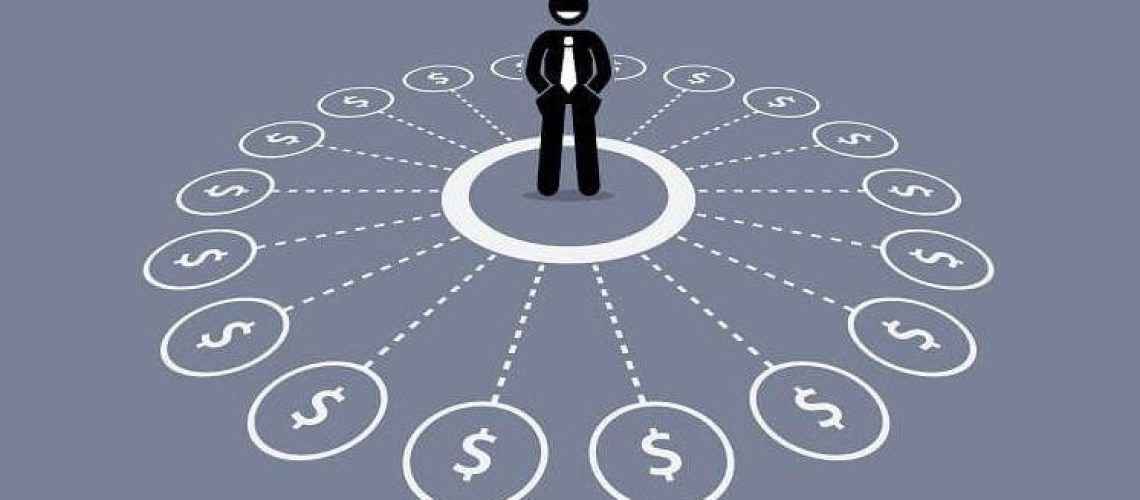
Having multiple income streams can provide greater financial flexibility and reduce dependence on a single source of income.
For many professionals, freelancers, entrepreneurs, and small business owners, earning from different activities can create valuable opportunities. However, managing too many income sources without a clear system can quickly lead to stress, missed deadlines, poor performance, and burnout.
The goal is not simply to make money from as many sources as possible. Instead, successful income management requires focus, organization, and deliberate prioritization. Each income stream should have a clear purpose and receive an appropriate amount of attention.
Understand Why You Have Multiple Income Streams
Before managing several income sources, identify the reason behind each one. Some may provide your primary income, while others may be designed to support savings, build long-term wealth, or develop new skills.
For example, someone might have a full-time job, freelance occasionally, sell products online, and create digital content. These activities do not necessarily need equal attention.
Classify each income stream according to its purpose:
- Primary income: Your main and most reliable source of earnings.
- Growth income: An activity with strong potential to become more profitable.
- Supplementary income: A smaller source that provides additional cash.
- Long-term income: An activity intended to generate future financial benefits.
This classification makes it easier to decide where your time should go.
Set Clear Priorities
Multiple income streams become difficult to manage when everything feels equally important. Instead, rank your activities according to their financial value, growth potential, and time requirements.
Consider questions such as:
- Which activity generates the most reliable income?
- Which opportunity has the greatest potential for growth?
- Which task requires the most attention?
- Which income stream takes too much time for too little return?
Your answers can help you determine where to concentrate your energy.
A high-paying freelance project, for instance, may deserve more attention than a small side activity that generates only occasional income.
Create Separate Goals for Each Income Stream
Every income source should have a specific objective. Without clear goals, it becomes difficult to measure whether an activity is actually worth maintaining.
You might decide that your primary job covers regular expenses, freelance work funds savings, and a small business is being developed for future independence.
This approach prevents different financial activities from competing unnecessarily. It also gives you a clearer picture of how each source contributes to your overall financial plan.
Use a Structured Schedule
Time management becomes essential when several activities compete for your attention. Instead of switching between tasks throughout the day, assign specific periods to different income streams.
For example, you could dedicate mornings to your primary work, evenings to freelance projects, and selected weekends to developing a side business.
Where possible, group similar tasks together. Answering client messages, preparing invoices, creating content, and reviewing finances can each have dedicated time blocks.
A structured schedule reduces constant mental switching and allows you to work more deeply.
Avoid Chasing Every Opportunity
One of the biggest dangers of having multiple income streams is the temptation to accept every opportunity that appears.
A new freelance client, business idea, investment opportunity, or online project may sound attractive. However, adding another commitment without removing something else can stretch your time too far.
Before accepting an opportunity, consider its:
- Expected income
- Time requirement
- Long-term value
- Difficulty level
- Impact on existing commitments
An opportunity that looks profitable on paper may not be worthwhile if it consistently takes attention away from more valuable work.
Track Income and Expenses Separately
Keeping financial records is especially important when money comes from different sources. Maintain a simple record showing how much each activity earns and what it costs to maintain.
For example, freelance income may involve software subscriptions, transportation, internet expenses, or professional services. A small retail business may have inventory, delivery, and packaging costs.
Tracking these figures helps you understand your actual profit, rather than simply looking at incoming payments.
It can also reveal which income streams deserve more investment and which ones may no longer be worthwhile.
Build Systems That Reduce Repetitive Work
Multiple income streams do not have to mean multiple times the workload. Automation and simple systems can reduce repetitive responsibilities.
Depending on the type of work, useful systems might include:
- Automatic payment reminders
- Digital calendars
- Reusable email templates
- Invoicing software
- Content scheduling tools
- Expense-tracking spreadsheets
- Standard operating procedures
The more predictable tasks you can systemize, the more time you can reserve for important work.
Protect Your Main Source of Income
Having several income streams should not cause you to neglect your most dependable one.
If your primary job currently pays most of your bills, protecting your performance there should remain a priority. A side business should support your financial goals rather than create problems that threaten your main source of income.
This is particularly important when a new income stream is still uncertain. Growth takes time, and replacing stable income too quickly can create unnecessary financial pressure.
Review Your Income Streams Regularly
Your income strategy should not remain unchanged forever. Set aside time every month or quarter to review your different activities.
Look at:
- Revenue generated
- Expenses incurred
- Hours spent
- Stress levels
- Growth potential
- Skills gained
- Future opportunities
An activity that was useful six months ago may no longer justify the same amount of time today. Likewise, a small project could eventually become your most promising opportunity.
Regular reviews allow you to adjust before your workload becomes unmanageable.
Learn to Say No
Focus often requires saying no to opportunities that are not aligned with your priorities.
This does not mean rejecting every new idea. It means evaluating opportunities carefully rather than automatically accepting them.
A simple rule can help: if a new commitment does not provide enough financial value, strategic value, or personal value, reconsider whether it deserves your time.
Your time is a limited resource. Protecting it is part of managing your income effectively.
Maintain a Sustainable Workload
Multiple income streams should improve your financial position without destroying your quality of life. Working continuously without adequate rest can eventually reduce productivity and decision-making ability.
Schedule breaks, protect your sleep, and create periods when you are not working on any income-generating activity.
Sustainability matters because earning more money today is less valuable if the workload prevents you from functioning effectively tomorrow.
Conclusion
Managing multiple income streams successfully is less about doing everything and more about doing the right things consistently. Clear priorities, structured schedules, financial tracking, automation, and regular reviews can help prevent different income sources from competing for your attention.
The strongest approach is to build an income system where every activity has a purpose. When you know what deserves your attention, what can be delegated, and what should be dropped, multiple income streams can become a source of stability and growth rather than constant distraction.
