

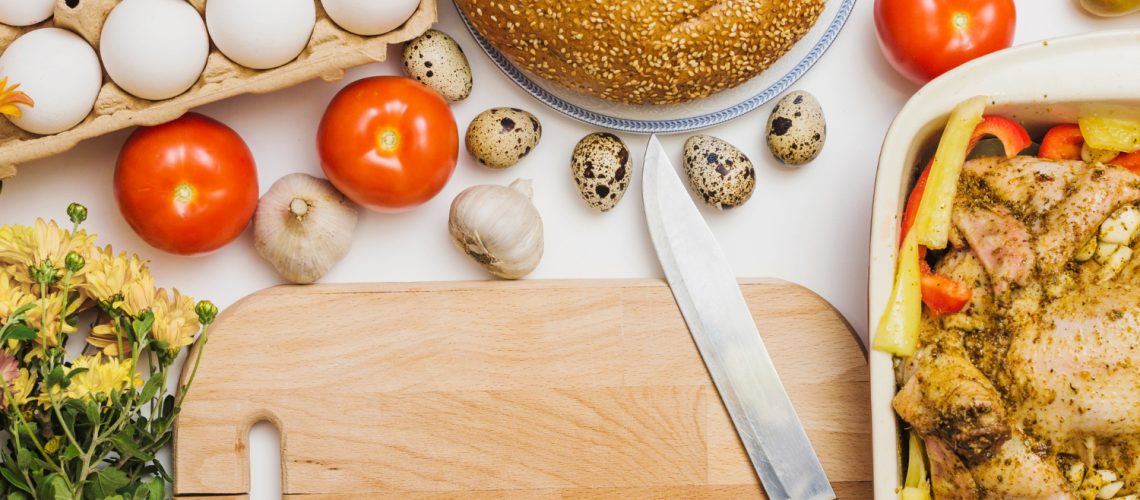
Meal prepping using bulk ingredients is one of the smartest ways to save time, reduce food costs, and maintain a consistent healthy diet.
Instead of cooking from scratch every day, you prepare large quantities of core ingredients once and combine them into different meals throughout the week. This system works for busy professionals, students, and families who want efficiency without sacrificing nutrition or taste.
What Is Meal Prep Using Bulk Ingredients?
Meal prep using bulk ingredients means cooking or preparing large portions of staple foods, such as rice, beans, chicken, pasta, vegetables, or sauces, and storing them separately. These components are then mixed and matched to create multiple meals.
Instead of cooking “one full dish at a time,” you prepare “building blocks” of meals.
For example:
- Bulk rice + grilled chicken + stir-fried vegetables = lunch bowl
- Bulk pasta + tomato sauce + minced meat = dinner meal
- Bulk beans + plantain + salad = balanced meal
This approach reduces repetitive cooking and makes eating at home much easier.
Benefits of Bulk Ingredient Meal Prep
1. Saves Time During the Week
Cooking every day can be exhausting. With bulk prep, you spend 2–4 hours once or twice a week and free up hours on busy days.
2. Reduces Food Costs
Buying in bulk is usually cheaper per unit. You also reduce waste because you only cook what you plan to use.
3. Encourages Healthier Eating
When your meals are already prepared, you’re less likely to rely on fast food or unhealthy snacks.
4. Makes Portion Control Easier
Prepping ingredients in advance helps you manage portions and avoid overeating.
5. Reduces Decision Fatigue
You don’t have to think about “what to cook” every day, the components are already ready.
Essential Bulk Ingredients for Meal Prep
To get started, focus on versatile, long-lasting ingredients:
Carbohydrates
- Rice (white, brown, or jasmine)
- Pasta
- Potatoes or sweet potatoes
- Couscous or quinoa
Proteins
- Chicken breast or thighs
- Eggs (boiled or scrambled in batches)
- Beans, lentils, chickpeas
- Fish (grilled or baked in portions)
Vegetables
- Carrots, cabbage, spinach, bell peppers
- Frozen mixed vegetables (very convenient)
- Onions and tomatoes for base sauces
Sauces and Flavor Bases
- Tomato stew or sauce
- Curry base
- Stir-fry sauce
- Seasoned oil or marinades
Step-by-Step Meal Prep Process
Step 1: Plan Your Meals
Choose 3–5 meal combinations you want for the week. Keep it simple and repeatable.
Step 2: Shop in Bulk
Buy ingredients in larger quantities from markets or wholesale stores to save money.
Step 3: Cook Core Ingredients
Prepare staples separately:
- Boil rice or pasta
- Grill or bake proteins
- Steam or sauté vegetables
- Cook sauces in large pots
Step 4: Store Properly
Use airtight containers and label them. Store in the fridge for 3–5 days or freeze portions for longer storage.
Step 5: Mix and Match Daily
Combine ingredients differently each day to avoid boredom.
Sample Weekly Meal Prep Plan
Base Ingredients Prepared on Sunday:
- Jollof rice
- Grilled chicken
- Stir-fried vegetables
- Tomato sauce
- Boiled eggs
Meal Combinations:
- Monday: Jollof rice + chicken + vegetables
- Tuesday: Rice + eggs + tomato sauce
- Wednesday: Rice + chicken + sauce
- Thursday: Vegetables + eggs + rice bowl
- Friday: Mixed leftovers combo bowl
Tips for Successful Bulk Meal Prep
Keep Flavors Flexible
Use neutral seasoning on bulk proteins so you can change taste with sauces.
Avoid Overcooking
Slightly undercook vegetables so they stay fresh after reheating.
Use Proper Storage Containers
Glass containers are best for reheating and preserving freshness.
Rotate Ingredients Weekly
Change proteins or sauces weekly to avoid boredom.
Freeze Smartly
Freeze meals you won’t eat within 3 days to prevent spoilage.
Common Mistakes to Avoid
- Preparing too many different dishes at once
- Not labeling stored food
- Ignoring food safety and storage time limits
- Using too much seasoning that limits flexibility
- Overcomplicating recipes
Conclusion
Meal prepping using bulk ingredients is a practical lifestyle strategy that simplifies cooking, saves money, and supports healthier eating habits. With a little planning and consistency, you can turn one cooking session into a full week of easy, balanced meals. The key is to keep it simple, flexible, and sustainable.
