

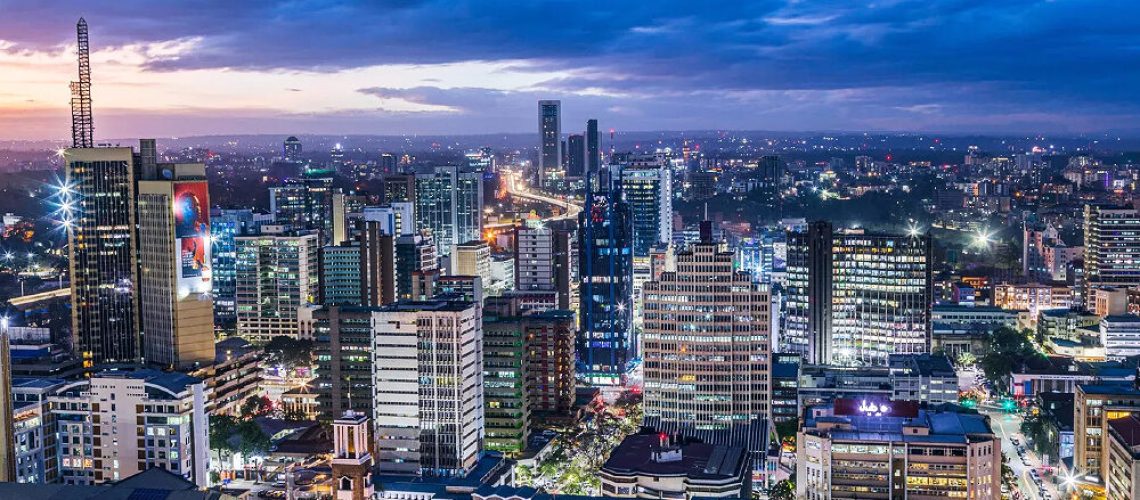
Designing a Personal Routine Around Africa’s Fast-Paced City Life
Living in a major African city can feel like running a race that never quite ends. From early-morning traffic and crowded public transport to demanding workplaces, family responsibilities, social commitments and unexpected errands, urban life often requires people to manage several priorities at once.
Cities such as Lagos, Nairobi, Accra, Johannesburg, Cairo and Kampala offer exciting opportunities, but they also demand flexibility. A routine that works perfectly on paper may quickly fall apart when traffic delays a meeting, a power interruption changes your plans or an unexpected family responsibility comes up.
The answer is not necessarily to create a stricter schedule. Instead, it is to design a personal routine that reflects the realities of city life.
Why Traditional Routines Often Fail in African Cities
Many productivity routines are built around predictable environments. They assume that commuting will take a specific amount of time, appointments will start as planned and daily responsibilities will remain relatively stable.
Urban African life can be different.
A 30-minute journey can become a two-hour trip because of traffic. A quick market visit can take longer than expected. Work may extend beyond official hours, while family and community obligations can appear with little warning.
This means that rigid routines can create unnecessary frustration.
A better approach is to build a routine around priorities, flexibility and realistic time estimates.
Start by Understanding Your Actual Day
Before creating a routine, observe how you currently spend your time.
For one week, pay attention to:
- When you wake up and go to bed
- How long commuting actually takes
- How much time work consumes
- When you usually experience the most energy
- How frequently you run errands
- How much time goes into household responsibilities
- How often unexpected tasks disrupt your plans
- How much time you spend on your phone
This simple exercise can reveal where your time is really going.
You may discover, for example, that the biggest problem is not lack of discipline but an unrealistic commute estimate or too many small errands scattered throughout the week.
Build Around Your Non-Negotiables
Every effective routine needs a few activities that remain consistent even when the day becomes unpredictable.
These might include:
- Adequate sleep
- Work or business responsibilities
- Meals
- Exercise
- Personal hygiene
- Family responsibilities
- Personal development
- Rest
These are your routine’s anchors.
Instead of planning every minute, protect these important activities first. Then fit less important tasks around them.
For someone commuting long distances, for example, getting enough sleep may be more valuable than trying to wake up extremely early every morning for an elaborate productivity routine.
Plan Around Traffic, Not Against It
Traffic is one of the biggest factors shaping daily life in many African cities.
Rather than treating commuting as dead time, incorporate it into your routine.
If public transport allows it, use part of your commute for:
- Listening to educational podcasts
- Reading
- Planning your day
- Responding to non-urgent messages
- Listening to music
- Resting
However, avoid filling every minute with productivity.
Sometimes the best use of a long commute is simply to relax.
It is also helpful to create a traffic buffer. If a journey normally takes 45 minutes but can occasionally take 90 minutes, your schedule should acknowledge that reality.
Planning for the best-case journey time is one of the easiest ways to make an urban routine stressful.
Create Flexible Time Blocks
Instead of scheduling every activity at an exact time, consider using blocks.
For example:
Morning block: Personal preparation and important planning
Work block: Professional responsibilities
Afternoon block: Meetings, errands and administrative tasks
Evening block: Family, exercise, personal projects and relaxation
Night block: Preparation for the following day and sleep
Time blocks give you structure without making your entire day collapse when one appointment changes.
This is particularly useful for people whose work involves unpredictable schedules.
Batch Your Errands
Small errands can consume an enormous amount of time when they are handled separately.
Instead of going to the market today, the pharmacy tomorrow and the bank the next day, consider grouping tasks according to location.
For example, if you need to visit a particular neighbourhood, complete as many relevant tasks there as possible.
You can also create an errand day for recurring activities such as grocery shopping, household purchases and administrative tasks.
Where appropriate, digital services and delivery options can reduce unnecessary trips.
The goal is not to avoid leaving home. It is to make every necessary trip more purposeful.
Prepare for Tomorrow the Night Before
A few minutes of preparation in the evening can make a significant difference to a busy morning.
Before going to bed, consider:
- Choosing your clothes
- Packing your work bag
- Preparing breakfast items
- Checking your transportation plans
- Reviewing your calendar
- Identifying your three most important tasks
- Charging your devices
This reduces the number of decisions you have to make when you wake up.
In a fast-paced city, small reductions in morning stress can have a major effect on the rest of the day.
Protect Your Energy, Not Just Your Time
Time management is only part of the equation.
Two people can have the same number of free hours but completely different levels of energy.
Pay attention to when you perform best.
If you are most focused in the morning, use that period for demanding work. If your energy drops after a long commute, avoid scheduling your most important creative tasks immediately after arriving home.
Your routine should work with your natural energy patterns rather than constantly fighting them.
Leave Room for the Unexpected
A good urban routine needs breathing space.
Do not fill every available hour with activities. Leave gaps between major commitments where possible.
Unexpected events are part of city life.
A relative may need help. A meeting may run late. Your transportation may be delayed. You may simply become exhausted.
A schedule with no flexibility can turn one unexpected event into an entire day of missed commitments.
A schedule with buffers can absorb disruption.
Use Technology Carefully
Technology can make urban life easier when used intentionally.
Calendar applications can help track appointments. Reminder apps can prevent forgotten tasks. Navigation tools can help with route planning, while digital banking, shopping and delivery services can reduce unnecessary travel.
However, technology can also become a source of distraction.
Constant notifications, social media and endless messaging can consume the same time that technology was supposed to save.
Use digital tools to reduce friction rather than create more of it.
Create a Weekly Reset
Daily planning is useful, but a weekly review can help you see the bigger picture.
At the end of each week, ask:
- What consumed most of my time?
- Which activities were genuinely important?
- What repeatedly caused delays?
- Which errands could have been combined?
- Did I get enough rest?
- What should I change next week?
This allows your routine to evolve.
Your schedule should not be a permanent document. It should change as your job, family responsibilities, income, commute and personal goals change.
Build a Routine That Reflects Your Reality
There is no universal routine for African city life.
A university student in Nairobi will have different demands from a young professional in Lagos. A parent in Accra will have different responsibilities from a business owner in Johannesburg.
The most effective routine is therefore not the one that looks impressive on social media. It is the one that survives real life.
It should account for transportation, work, family, finances, errands, rest and unexpected disruptions.
Most importantly, it should help you make progress without making you feel like you are constantly behind.
Final Thoughts
Fast-paced African cities are unlikely to become slower simply because we want them to. Traffic, demanding work schedules, crowded environments, family obligations and unpredictable days are part of modern urban living.
But your response to that environment can change.
By building around your real commute, protecting your priorities, batching errands, creating flexible time blocks, preparing ahead and leaving room for unexpected events, you can develop a routine that is both productive and sustainable.
The goal is not to control every minute of the day. It is to create enough structure to move through a busy city with greater clarity, flexibility and control.
