

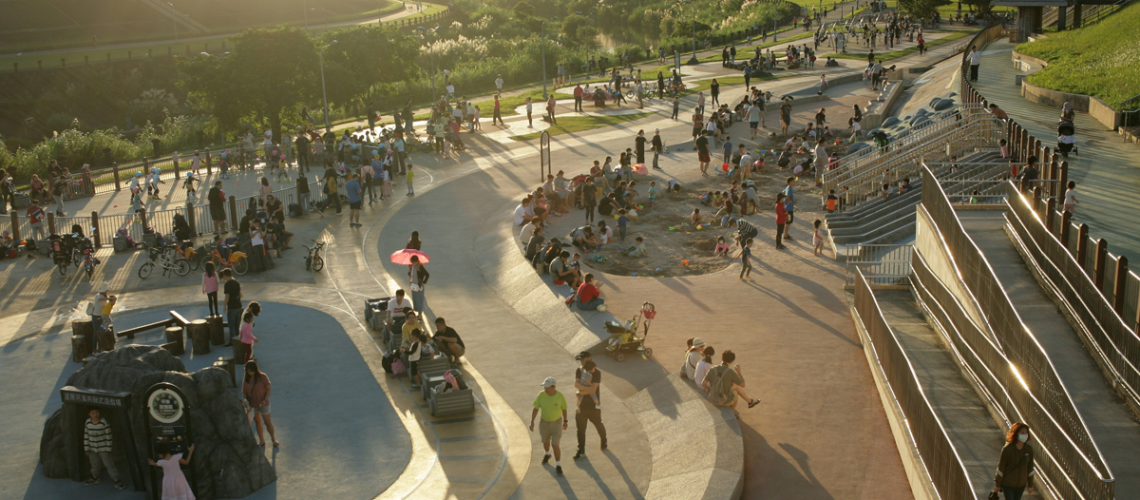
Public spaces play a vital role in shaping healthy, vibrant, and inclusive communities.
Parks, markets, libraries, playgrounds, town squares, community centers, and pedestrian-friendly streets are more than physical locations, they are places where people meet, build relationships, celebrate culture, and improve their quality of life. Across Africa, public spaces have always been central to daily living. From bustling open-air markets in Ghana to community squares in Nigeria and public gardens in South Africa, these spaces bring people together regardless of age, background, or income. As African cities continue to grow, investing in well-designed public spaces has become increasingly important for creating communities where people can thrive.
This article explores how public spaces contribute to community well-being and why governments, businesses, and residents should prioritize their development and preservation.
What Are Public Spaces?
Public spaces are areas that everyone can access and use freely. They are designed to serve the community rather than private interests.
Examples include:
- Public parks
- Community gardens
- Markets
- Libraries
- Sports fields
- Beaches
- Town squares
- Walking and cycling paths
- Bus terminals
- Recreational centers
These places encourage interaction while supporting recreation, commerce, education, and cultural activities.
Encouraging Social Connections
One of the greatest benefits of public spaces is their ability to bring people together. Modern life often keeps people indoors or focused on digital communication. However, face-to-face interactions remain essential for building trust and creating stronger communities.
Public spaces encourage people to:
- Meet neighbors
- Participate in local events
- Celebrate cultural festivals
- Share ideas
- Build friendships
- Support one another during difficult times
Consequently, communities with active public spaces often experience stronger social bonds and greater cooperation among residents.
Supporting Physical Health
Accessible public spaces encourage people to stay active. Walking paths, playgrounds, sports facilities, and parks motivate residents to exercise regularly without paying expensive membership fees.
People can:
- Walk every morning
- Jog safely
- Ride bicycles
- Play football
- Practice yoga
- Exercise with friends
As a result, communities experience lower rates of obesity, diabetes, heart disease, and other lifestyle-related illnesses.
Children also benefit by having safe places to play and develop physical skills.
Improving Mental Well-Being
Green spaces have a positive impact on mental health. Research consistently shows that spending time in nature reduces stress, anxiety, and emotional fatigue. Trees, flowers, fresh air, and open landscapes create calming environments where people can relax.
Public parks provide opportunities to:
- Read quietly
- Meditate
- Enjoy family picnics
- Reflect peacefully
- Connect with nature
Even a short walk through a green public space can improve mood and reduce stress levels.
Promoting Cultural Identity
Public spaces often preserve local traditions and cultural heritage.
Across Africa, community squares and markets frequently host:
- Traditional dances
- Festivals
- Music performances
- Craft exhibitions
- Food fairs
- Religious celebrations
These activities strengthen cultural identity while allowing younger generations to appreciate local customs. Moreover, visitors gain opportunities to experience authentic traditions, supporting cultural tourism.
Boosting Local Economies
Public spaces contribute directly to economic development. Busy markets, parks, and event spaces attract visitors who spend money at nearby businesses.
Street vendors, artisans, transport providers, restaurants, and local shops all benefit from increased foot traffic.
Economic benefits include:
- More customers for small businesses
- Job creation
- Tourism growth
- Higher property values
- Increased investment in surrounding neighborhoods
Therefore, improving public spaces often creates long-term economic opportunities for local communities.
Creating Safer Communities
Well-designed public spaces improve safety.
Areas that are clean, well-lit, and regularly used discourage criminal activity because more people naturally observe what happens around them.
Features that improve safety include:
- Good lighting
- Security patrols
- Clear walking paths
- Regular maintenance
- Community events
- Accessible emergency services
When residents frequently use public spaces, they become more familiar with one another, making neighborhoods feel safer.
Encouraging Environmental Sustainability
Public spaces also support environmental conservation.
Urban parks and green areas help cities:
- Reduce air pollution
- Improve air quality
- Lower temperatures
- Reduce flooding
- Protect biodiversity
- Manage stormwater naturally
Community gardens further encourage sustainable food production while teaching residents about environmental responsibility.
As climate change continues to affect many African countries, preserving green public spaces becomes even more valuable.
Supporting Children and Young People
Children need safe environments where they can learn, play, and socialize.
Public playgrounds help young people develop:
- Physical fitness
- Teamwork
- Communication skills
- Creativity
- Confidence
- Problem-solving abilities
Likewise, libraries and community centers provide educational resources, homework support, and learning opportunities that complement classroom education.
These spaces contribute significantly to healthy childhood development.
Promoting Inclusion
Good public spaces welcome everyone. Inclusive design ensures that older adults, children, people living with disabilities, and individuals from different economic backgrounds can comfortably use shared spaces.
Important accessibility features include:
- Wheelchair ramps
- Smooth walkways
- Public seating
- Accessible toilets
- Clear signage
- Safe pedestrian crossings
When everyone can participate equally, communities become stronger and more connected.
Strengthening Civic Engagement
Public spaces often serve as venues for civic participation.
Residents gather to:
- Attend community meetings
- Discuss local issues
- Participate in awareness campaigns
- Volunteer
- Organize neighborhood projects
As a result, people become more involved in solving community challenges and supporting local development.
Challenges Facing Public Spaces in Africa
Despite their importance, many public spaces face significant challenges.
Common issues include:
- Poor maintenance
- Illegal dumping
- Inadequate funding
- Urban overcrowding
- Vandalism
- Limited accessibility
- Weak urban planning
- Encroachment by private developments
Addressing these challenges requires cooperation between governments, businesses, civil society organizations, and local communities.
How Communities Can Improve Public Spaces
Everyone has a role to play in maintaining quality public spaces.
Communities can:
- Organize regular cleanup exercises.
- Plant trees and flowers.
- Report vandalism promptly.
- Support local environmental initiatives.
- Participate in community planning.
- Respect public property.
- Encourage volunteer programs.
- Promote responsible waste disposal.
Small actions from many individuals often create lasting improvements.
The Future of Public Spaces in Africa
Africa’s rapidly growing urban population makes public spaces more important than ever.
Future cities should prioritize:
- More urban parks
- Bicycle lanes
- Green corridors
- Child-friendly playgrounds
- Community sports facilities
- Accessible public transportation hubs
- Smart public infrastructure
- Climate-resilient green spaces
By investing in people-centered urban planning, African cities can improve public health, strengthen local economies, and enhance overall quality of life.
Conclusion
Public spaces are essential for building healthy, connected, and resilient communities. They encourage physical activity, improve mental well-being, strengthen cultural identity, support local businesses, and promote environmental sustainability. Furthermore, they create opportunities for people from all walks of life to interact, collaborate, and build lasting relationships.
As Africa continues to urbanize, protecting and expanding high-quality public spaces should remain a priority. Governments, private organizations, and community members all have a role in ensuring these shared spaces remain clean, safe, inclusive, and accessible. Ultimately, investing in public spaces is an investment in stronger communities and a better future for everyone.
