

As Africa’s cities continue to grow at an unprecedented pace, transportation has become one of the most critical challenges facing urban planners, governments, and residents.
Rapid urbanization has increased pressure on existing transport systems, leading to traffic congestion, longer commute times, and environmental concerns. In response, cities across the continent are embracing innovative public transportation solutions designed to improve mobility, enhance efficiency, and support sustainable development.
From bus rapid transit systems to digital ticketing platforms and electric mobility initiatives, Africa is witnessing a transportation revolution that is reshaping how millions of people move every day.
The Need for Transportation Innovation
Africa is experiencing some of the fastest urban growth rates in the world. As populations increase, traditional transportation infrastructure often struggles to keep pace with demand. In many cities, commuters face daily challenges including overcrowded roads, unreliable transit services, and high transportation costs.
Innovative public transportation systems offer solutions by increasing accessibility, reducing travel times, and creating more efficient networks that connect people to jobs, education, healthcare, and economic opportunities.
Bus Rapid Transit Systems Leading the Way
One of the most successful transportation innovations in Africa has been the introduction of Bus Rapid Transit (BRT) systems. These systems use dedicated lanes and modern stations to provide faster and more reliable bus services.
Cities such as Lagos, Johannesburg, and Dar es Salaam have implemented BRT networks that help reduce traffic congestion and improve daily commuting experiences. By offering dedicated corridors for buses, these systems can transport large numbers of passengers efficiently while reducing dependence on private vehicles.
Digital Technology Enhancing Mobility
Technology is playing a major role in modernizing public transportation across Africa. Mobile applications now allow passengers to plan routes, track vehicle locations, purchase tickets, and receive real-time service updates.
Digital payment systems are replacing cash-based transactions in many urban transit networks. Commuters can pay for rides using mobile money platforms, contactless cards, or smartphone applications, making travel more convenient and secure.
These digital innovations also provide transportation operators with valuable data that can be used to improve route planning and service delivery.
The Rise of Electric Mobility
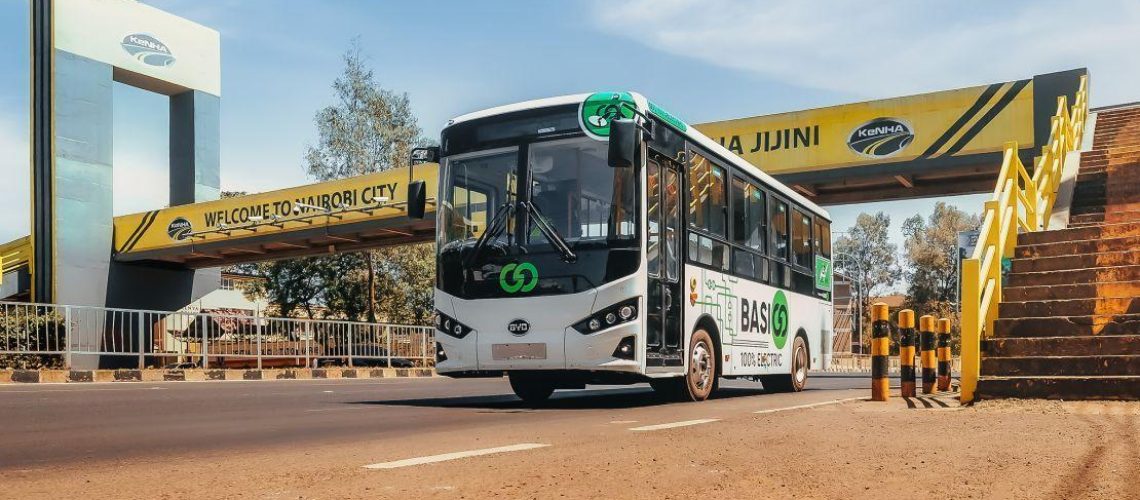
As concerns about air pollution and climate change grow, African cities are increasingly exploring electric transportation options. Electric buses, motorcycles, and taxis are gradually entering public transportation networks across the continent.
Electric mobility offers several benefits, including reduced emissions, lower operating costs, and quieter urban environments. Entrepreneurs and transport companies are investing in electric vehicle technologies that align with Africa’s long-term sustainability goals.
As charging infrastructure expands, electric public transportation is expected to become more common in major African cities.
Smart Transport Solutions for Growing Cities
Smart city initiatives are encouraging the integration of transportation technologies that improve traffic management and passenger experiences. Intelligent traffic systems, GPS-enabled fleet management, and automated scheduling tools help optimize transport operations.
These innovations allow city authorities to monitor traffic conditions in real time, respond to disruptions quickly, and allocate resources more efficiently. The result is a transportation system that is better equipped to serve growing urban populations.
Informal Transport Going Digital
In many African cities, informal transportation services such as minibuses, shared taxis, and motorcycle taxis play a crucial role in daily mobility. Rather than replacing these services, innovators are finding ways to modernize them.
Digital platforms now connect passengers with informal transport providers through smartphone applications. These platforms improve route visibility, fare transparency, and safety while helping operators increase efficiency and earnings.
By integrating informal transport into broader mobility networks, cities can create more inclusive transportation systems that serve diverse communities.
Expanding Rail Infrastructure
Rail transportation is also receiving renewed attention across Africa. Governments are investing in modern commuter rail networks, light rail systems, and intercity rail projects to reduce road congestion and improve connectivity.
Modern rail systems offer reliable alternatives for commuters while supporting economic development through improved movement of people and goods. As infrastructure investments continue, rail transportation is expected to play a larger role in urban mobility strategies.
Challenges to Overcome
Despite significant progress, several challenges remain. Funding limitations, infrastructure gaps, maintenance requirements, and regulatory complexities can slow transportation development.
Additionally, ensuring affordability and accessibility remains essential. Successful transportation innovation must balance technological advancement with the needs of everyday commuters.
Collaboration among governments, private investors, technology companies, and local communities will be necessary to overcome these obstacles and achieve long-term success.
The Future of Mobility in Africa
The future of public transportation in Africa is increasingly connected, sustainable, and technology-driven. Advances in digital payments, electric vehicles, smart traffic management, and integrated transport systems are creating new possibilities for urban mobility.
As cities continue to expand, transportation innovation will be critical for supporting economic growth, reducing environmental impact, and improving quality of life for millions of residents.
Conclusion
Public transportation innovations are transforming mobility across Africa. From Bus Rapid Transit systems and digital ticketing platforms to electric vehicles and smart transportation technologies, cities are finding new ways to address the challenges of urban growth.
These advancements are making transportation more efficient, accessible, and sustainable. As investment and innovation continue, Africa’s transportation systems will play a vital role in building smarter, more connected cities for future generations.
