

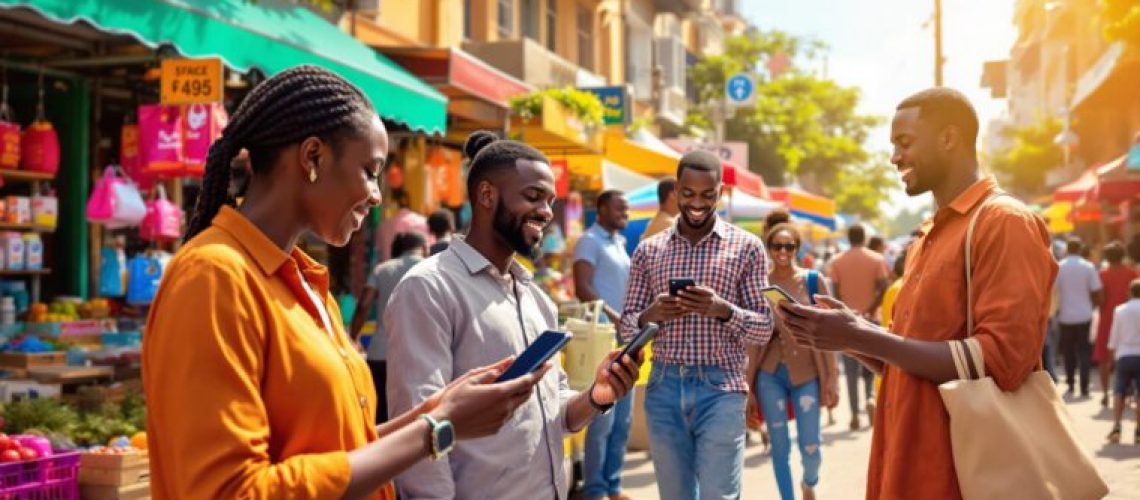
Africa’s cities are changing at an incredible pace.
Rapid urbanization, rising internet access, expanding middle-class populations, and innovative entrepreneurs are transforming how people shop, sell, and do business. From bustling open-air markets to modern shopping malls and digital marketplaces, retail across the continent is evolving to meet the needs of today’s consumers.
Moreover, African retailers are embracing technology while preserving the unique shopping culture that has defined local communities for generations. As a result, consumers enjoy more choices, greater convenience, and improved shopping experiences than ever before.
This article explores the major retail trends shaping African cities and explains how these developments are influencing businesses, consumers, and the future of commerce across the continent.
The Growth of Urban Consumer Markets
Africa is home to some of the world’s fastest-growing cities. Every year, millions of people move into urban areas in search of employment, education, and better opportunities. Consequently, demand for food, clothing, electronics, household goods, and personal services continues to rise.
Cities such as Lagos, Nairobi, Accra, Kigali, Johannesburg, Cairo, and Addis Ababa have become vibrant commercial centers where retailers compete to serve diverse customer needs.
Furthermore, urban consumers are becoming more informed and selective. They compare prices, seek quality products, and value convenience, encouraging retailers to improve their offerings.
The Rise of Modern Supermarkets
Traditional markets remain an essential part of African commerce. However, supermarkets and retail chains continue expanding across major cities.
Modern supermarkets offer:
- Consistent product quality
- Organized shopping environments
- Digital payment options
- Imported and locally produced goods
- Loyalty programs
- Extended operating hours
As incomes increase and lifestyles become busier, many families appreciate the convenience of purchasing multiple products in one location.
Nevertheless, traditional markets continue to thrive because they often provide fresher produce, flexible pricing, and stronger personal relationships between buyers and sellers.
E-Commerce Continues to Expand
Online shopping has experienced remarkable growth across Africa. Consumers increasingly purchase products through websites, mobile applications, and social media platforms. This shift accelerated as smartphone ownership and internet connectivity improved.
Popular online purchases include:
- Fashion
- Electronics
- Groceries
- Beauty products
- Home appliances
- Books
- Health products
Additionally, many small businesses now reach customers nationwide without opening physical stores. This creates new opportunities for entrepreneurs while giving consumers access to a wider variety of products.
Mobile Money Is Changing Retail
One of Africa’s biggest retail transformations is the widespread use of mobile payment systems.
Instead of carrying cash, many shoppers now pay using:
- Mobile wallets
- QR code payments
- Bank transfers
- Contactless payment systems
These digital payment methods improve convenience, reduce transaction times, and make shopping safer.
For small businesses, accepting digital payments also simplifies accounting and increases customer confidence.
Social Commerce Is Becoming Mainstream
Social media is no longer just for entertainment.
Today, thousands of African entrepreneurs sell products directly through platforms such as Facebook, Instagram, TikTok, and WhatsApp.
Customers can:
- Browse products
- Ask questions
- Negotiate prices
- Place orders
- Arrange delivery
- Complete payments
Because social commerce removes many barriers to starting a business, it has become one of the fastest-growing retail channels across African cities.
Local Brands Are Gaining Popularity
Consumers increasingly support locally manufactured products. African fashion designers, food processors, skincare companies, furniture makers, and technology startups are producing high-quality products that compete with imported alternatives.
Several factors encourage this trend:
- Greater appreciation for local craftsmanship
- Competitive pricing
- Faster delivery
- National economic support
- Improved product quality
As a result, many retailers now dedicate more shelf space to locally made goods.
Convenience Stores Are Growing
Busy urban lifestyles have increased demand for neighborhood convenience stores. Instead of traveling long distances to major supermarkets, consumers often prefer nearby shops where they can quickly purchase everyday essentials.
Convenience stores typically offer:
- Snacks
- Drinks
- Household supplies
- Bread
- Milk
- Toiletries
- Mobile airtime
This trend benefits both customers and small business owners while creating employment opportunities within communities.
Retail Technology Is Improving Customer Experience
Technology continues to reshape the shopping experience.
Many retailers now use digital tools to improve efficiency, including:
- Inventory management software
- Electronic price displays
- Self-service checkout systems
- Customer loyalty apps
- Digital receipts
- Artificial intelligence for demand forecasting
These innovations reduce waste, improve stock availability, and help businesses better understand customer preferences.
Sustainability Is Influencing Shopping Habits
Consumers are becoming more environmentally conscious.
Many retailers now encourage sustainable practices by:
- Reducing plastic packaging
- Selling reusable shopping bags
- Supporting recycling initiatives
- Sourcing products locally
- Reducing food waste
Likewise, shoppers increasingly choose businesses that demonstrate environmental responsibility.
Although sustainability remains an emerging trend, its influence continues to grow across many African cities.
Small Businesses Are Driving Innovation
Small and medium-sized enterprises (SMEs) remain the backbone of African retail.
These businesses quickly adapt to changing customer preferences by introducing:
- Home delivery services
- Personalized shopping experiences
- Flexible payment options
- Community-based marketing
- Online ordering
Because they operate close to their customers, many local businesses respond faster than larger retailers to changing market demands.
Omnichannel Retail Is Becoming More Common
Modern consumers expect flexibility.
Rather than choosing between online and physical shopping, they increasingly use both.
For example, a customer may:
- Discover a product on social media.
- Compare prices online.
- Visit a physical store.
- Order through a mobile app.
- Receive home delivery.
Retailers that successfully integrate online and offline experiences often build stronger customer loyalty.
Better Logistics Are Supporting Retail Growth
Reliable logistics have become essential for retail success. Across Africa, improvements in transportation networks, warehousing, and last-mile delivery services help businesses move products more efficiently.
Many retailers now partner with delivery companies to offer same-day or next-day deliveries within major cities.
Improved logistics reduce costs, shorten delivery times, and enhance customer satisfaction.
Personalized Shopping Experiences
Consumers increasingly expect retailers to understand their preferences.
Many businesses now use customer data to provide:
- Personalized promotions
- Product recommendations
- Birthday discounts
- Loyalty rewards
- Customized shopping experiences
This personalized approach strengthens relationships between retailers and customers while encouraging repeat purchases.
Challenges Facing African Retail
Despite impressive growth, several challenges remain.
These include:
- High transportation costs
- Inflation
- Currency fluctuations
- Limited infrastructure in some regions
- Electricity supply issues
- Counterfeit products
- Supply chain disruptions
However, African entrepreneurs continue finding creative solutions through innovation, collaboration, and technology.
Opportunities for Future Growth
The future of retail in African cities looks promising.
Several factors will continue driving expansion:
- Growing urban populations
- Increased smartphone usage
- Rising internet access
- Expanding digital payment systems
- Greater investment in logistics
- Strong entrepreneurial activity
- Growing support for local manufacturing
Businesses that embrace these trends will likely remain competitive in an increasingly dynamic marketplace.
Conclusion
Retail in African cities is entering an exciting new era. While traditional markets remain central to everyday life, modern supermarkets, digital commerce, mobile payments, and innovative local businesses are reshaping the shopping experience.
Furthermore, technology continues to improve convenience, sustainability is influencing consumer choices, and better logistics are making products more accessible than ever before. At the same time, local entrepreneurs are proving that African businesses can compete successfully by combining innovation with a deep understanding of community needs.
As African cities continue to grow, retailers that prioritize customer experience, embrace digital transformation, and support locally made products will be well positioned for long-term success. The retail landscape is not simply changing, it is becoming more connected, inclusive, and responsive to the needs of a rapidly evolving continent.
