

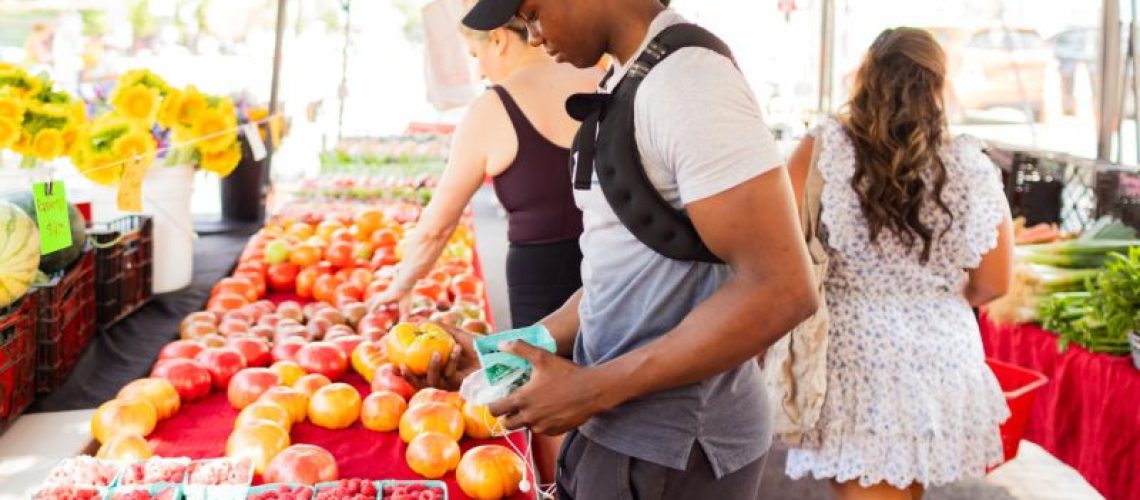
How Shared Buying Can Help Restaurants Control Ingredient Costs
For restaurants, ingredient costs can quickly become one of the biggest challenges to profitability. Prices for vegetables, meat, grains, cooking oil, spices, and other essentials can change frequently. When restaurants purchase small quantities at retail or semi-wholesale prices, they may pay more per unit and struggle to maintain consistent profit margins.
Shared buying offers a practical solution. It allows two or more restaurants to combine their purchasing needs and buy ingredients in larger quantities. By pooling their orders, restaurants can negotiate better prices, reduce transportation costs, and make their purchasing processes more efficient.
What Is Shared Buying?
Shared buying is a purchasing arrangement in which several businesses combine their orders to purchase products in bulk.
For example, five restaurants may each need 20 litres of cooking oil every week. Instead of purchasing separately, they could place a combined order for 100 litres. The larger order may qualify for a wholesale discount, reducing the cost for every participating restaurant.
The approach can work especially well for restaurants that operate independently but use similar ingredients.
Lower Prices Through Bulk Purchasing
One of the biggest advantages of shared buying is the opportunity to access bulk prices.
Suppliers often offer better rates to customers who purchase larger quantities. However, a small restaurant may not have enough demand to justify a large order. Shared buying solves this problem by combining the demand of several restaurants.
If three or four restaurants regularly purchase the same products, they can negotiate as a group and potentially secure prices that would otherwise be available only to larger businesses.
Reduced Transportation Costs
Transportation can add significantly to the cost of restaurant supplies, particularly when businesses place several small orders.
Shared buying allows participating restaurants to consolidate deliveries. Instead of paying separate delivery charges for individual orders, the group can arrange one larger delivery and divide the transportation cost.
This can be particularly useful in busy African cities, where traffic, fuel prices, and delivery distances can affect the final cost of supplies.
Better Negotiating Power
A restaurant purchasing a small quantity may have limited bargaining power with suppliers. A group of restaurants, however, can present a much larger and more attractive order.
This can create opportunities to negotiate:
- Lower unit prices
- Reduced delivery charges
- Flexible payment arrangements
- Better packaging options
- More reliable supply schedules
- Seasonal discounts
The key is to approach suppliers with clear quantities and consistent purchasing plans.
More Predictable Ingredient Costs
Shared buying can also help restaurants plan their budgets.
When restaurants establish regular purchasing arrangements with suppliers, they may be able to negotiate more stable prices for frequently used ingredients. While market prices can still change, predictable purchasing patterns make it easier to estimate food costs.
Better cost forecasting helps restaurant managers set menu prices, calculate profit margins, and control spending.
Reducing Food Waste
Buying in bulk can create savings, but it can also create waste if restaurants purchase more than they can use.
Shared buying provides a way to enjoy bulk-purchase prices without forcing every restaurant to store excessive quantities.
For example, a supplier may sell a large quantity of an ingredient at a discounted rate. Several restaurants can share the order and divide it according to their individual needs.
This approach can reduce unnecessary stock accumulation and help restaurants maintain healthier inventory levels.
The Importance of Good Coordination
Shared buying works best when participating restaurants have clear agreements.
Before placing an order, the group should agree on:
- Which ingredients will be purchased.
- How much each restaurant needs.
- How the total cost will be divided.
- Who will communicate with the supplier.
- How delivery will be handled.
- When payments must be made.
- What happens if an ingredient is unavailable or prices change.
Clear communication prevents misunderstandings and protects relationships between participating businesses.
Technology Can Make Shared Buying Easier
Restaurants do not necessarily need complicated systems to manage shared purchasing. Simple digital tools can help participants collect orders, compare prices, track payments, and monitor deliveries.
A shared spreadsheet or business messaging group can be enough for smaller purchasing groups. Larger groups may benefit from inventory and procurement software.
The goal is to create a transparent process where every participant can see what was ordered, what it costs, and how much they owe.
Choosing the Right Ingredients
Not every restaurant ingredient is suitable for shared buying.
The best candidates are usually products that:
- Restaurants use regularly.
- Have relatively predictable demand.
- Can be stored safely.
- Are purchased in large quantities.
- Are used by several participating businesses.
Common examples include rice, flour, cooking oil, sugar, packaged foods, beverages, spices, cleaning supplies, and certain non-perishable ingredients.
Fresh and highly perishable products require more careful planning because poor storage or delays can quickly lead to losses.
Building Strong Supplier Relationships
Shared buying can also create stronger relationships between restaurants and suppliers.
A group that consistently places large and organized orders may become an important customer. Over time, this relationship can lead to better communication about price changes, product availability, and upcoming shortages.
Restaurants should still compare suppliers regularly to ensure that negotiated prices remain competitive.
Potential Challenges
Shared buying is not without risks. Restaurants may have different purchasing schedules, quality standards, storage capacities, or payment habits.
One restaurant may also delay payment or change its order after the group has already negotiated with the supplier.
To avoid these problems, participating businesses should establish simple written rules and assign responsibility for managing the purchasing process.
Trust is important, but transparency is even more important when several businesses are sharing money and supplies.
A Practical Strategy for Restaurants
Restaurants interested in shared buying can start small. They could identify two or three nearby restaurants with similar purchasing needs and select a few non-perishable ingredients for a trial.
The group can compare the price of purchasing individually with the price of placing one combined order. After several purchasing cycles, participants can assess the savings, delivery experience, product quality, and administrative effort.
If the arrangement works, they can gradually expand it to other ingredients and suppliers.
Conclusion
Shared buying gives restaurants an opportunity to turn collective purchasing power into real cost savings. By combining orders, businesses can access bulk prices, reduce delivery expenses, strengthen supplier negotiations, and improve their ability to plan ingredient budgets.
The approach works best when restaurants choose compatible products, communicate clearly, track every transaction, and establish reliable agreements.
For independent restaurants facing rising operating costs, working together on selected purchases could be a simple but effective way to protect margins while maintaining the quality of the food they serve.
