

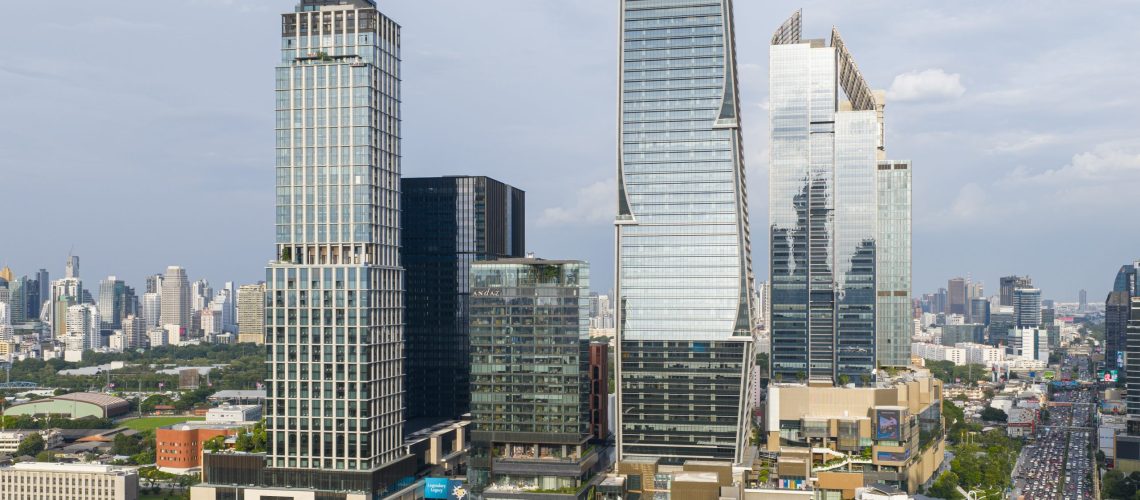
As urban populations continue to expand, cities across the world are searching for innovative ways to improve infrastructure, public services, and economic opportunities.
Smart city investments have emerged as one of the most effective strategies for achieving sustainable urban development. By integrating technology into transportation, energy, healthcare, communication, and public administration, smart cities create environments that are more efficient, resilient, and attractive to businesses and residents alike.
Across Africa, governments and private investors are increasingly embracing smart city initiatives to address urban challenges while unlocking economic growth. These investments are transforming how cities function and positioning the continent for a more connected and prosperous future.
What Is a Smart City?
A smart city uses digital technologies, data analytics, and connected infrastructure to improve the quality of life for its residents. These technologies help city authorities make informed decisions, optimize resource use, and deliver better public services.
Rather than relying solely on traditional infrastructure, smart cities incorporate innovations such as:
- Intelligent traffic management systems
- Smart energy grids
- Digital government services
- Smart waste management
- High-speed internet connectivity
- Public safety monitoring
- Environmental sensors
Together, these technologies create cities that are more efficient, sustainable, and responsive to citizens’ needs.
Why Smart City Investments Matter
Investment in smart cities extends far beyond installing new technology. It stimulates economic activity, creates jobs, improves productivity, and attracts domestic and international investment.
As cities become more efficient, businesses benefit from lower operating costs, improved logistics, and better access to skilled workers. Citizens also enjoy enhanced public services, reduced commuting times, cleaner environments, and improved healthcare and education.
Furthermore, smart city development strengthens investor confidence because modern infrastructure often signals long-term economic stability and growth potential.
Key Areas Receiving Investment
Digital Infrastructure
Reliable internet connectivity forms the backbone of every smart city. Governments and telecommunications companies continue expanding broadband networks and fiber-optic infrastructure to support businesses, schools, healthcare facilities, and households.
Improved digital connectivity also encourages innovation, remote work, digital entrepreneurship, and online education.
Smart Transportation
Traffic congestion remains a major challenge in many growing cities. Smart transportation investments include intelligent traffic signals, GPS-based public transportation systems, electronic ticketing, and digital parking management.
These systems reduce travel times, lower fuel consumption, and improve road safety while making urban mobility more convenient.
Renewable Energy Solutions
Many smart cities are investing heavily in renewable energy sources such as solar and wind power. Smart grids allow electricity providers to monitor demand, reduce outages, and improve energy efficiency.
This approach supports environmental sustainability while ensuring reliable power for homes and businesses.
Smart Water and Waste Management
Technology is helping cities detect water leaks, monitor water quality, optimize waste collection routes, and encourage recycling programs.
These improvements reduce operating costs while promoting healthier living conditions.
Digital Public Services
Many governments now provide online platforms where citizens can pay taxes, apply for permits, register businesses, and access healthcare services without visiting government offices.
Digital services improve transparency, reduce bureaucracy, and save valuable time for both citizens and government agencies.
How Smart Cities Drive Economic Growth
Attracting Investment
Modern infrastructure attracts businesses seeking stable operating environments. Investors often favor cities with reliable electricity, efficient transportation, digital connectivity, and transparent governance.
As more companies establish operations in smart cities, employment opportunities increase and local economies expand.
Supporting Innovation
Technology hubs, startup incubators, and innovation centers often flourish within smart cities. Entrepreneurs gain access to digital infrastructure, skilled talent, and supportive ecosystems that encourage business growth.
As innovation increases, cities become centers for technology development, research, and entrepreneurship.
Creating Employment
Smart city projects generate jobs during both construction and operation. Engineers, software developers, data analysts, cybersecurity experts, urban planners, and maintenance professionals all play essential roles.
Additionally, improved digital infrastructure enables thousands of small businesses to participate in the digital economy.
Improving Business Efficiency
Efficient transportation systems reduce delivery times, while reliable utilities minimize operational disruptions. Businesses can therefore lower costs, improve productivity, and better serve customers.
These efficiencies strengthen overall economic competitiveness.
Smart City Development in Africa
Africa is experiencing one of the fastest urbanization rates in the world. As cities expand rapidly, many governments recognize that traditional infrastructure alone cannot meet future demands.
Several African countries have launched ambitious smart city initiatives designed to improve urban living while attracting global investment.
These developments often combine residential communities, commercial districts, technology parks, renewable energy systems, and modern transportation networks. Many projects also emphasize sustainability and environmental protection.
Countries including Nigeria, Kenya, Rwanda, Egypt, Morocco, Ghana, and South Africa are increasingly incorporating smart technologies into urban planning and public infrastructure.
Challenges Facing Smart City Investments
Despite the enormous potential, several obstacles remain.
Funding Requirements
Large-scale infrastructure projects require significant financial investment. Governments often rely on partnerships with private investors, development banks, and international organizations.
Digital Skills Gap
Successful smart cities require professionals with expertise in information technology, cybersecurity, engineering, and data science. Expanding education and technical training remains essential.
Cybersecurity Risks
As cities become increasingly connected, protecting digital infrastructure becomes more important. Strong cybersecurity frameworks help safeguard public systems and citizens’ personal information.
Infrastructure Gaps
Many cities continue to face challenges related to electricity supply, internet access, transportation, and water systems. Addressing these foundational issues remains a priority before advanced technologies can be fully implemented.
The Future of Smart Cities
Emerging technologies such as artificial intelligence, the Internet of Things (IoT), 5G networks, autonomous transportation, and predictive analytics will continue transforming urban environments.
Future smart cities will likely feature more automated public services, cleaner transportation, improved disaster response systems, intelligent healthcare networks, and highly efficient energy management.
As technology becomes more affordable, even medium-sized cities may adopt smart solutions that were once limited to major metropolitan areas.
Conclusion
Smart city investments are reshaping urban development by combining technology, sustainability, and modern infrastructure to improve economic performance and quality of life. These investments create new opportunities for businesses, generate employment, enhance public services, and attract long-term investment.
For Africa, smart city development represents an opportunity to address rapid urbanization while building competitive, resilient, and inclusive economies. Although challenges such as funding, digital skills, and infrastructure remain, continued investment and innovation will help cities become engines of sustainable growth for generations to come.
