

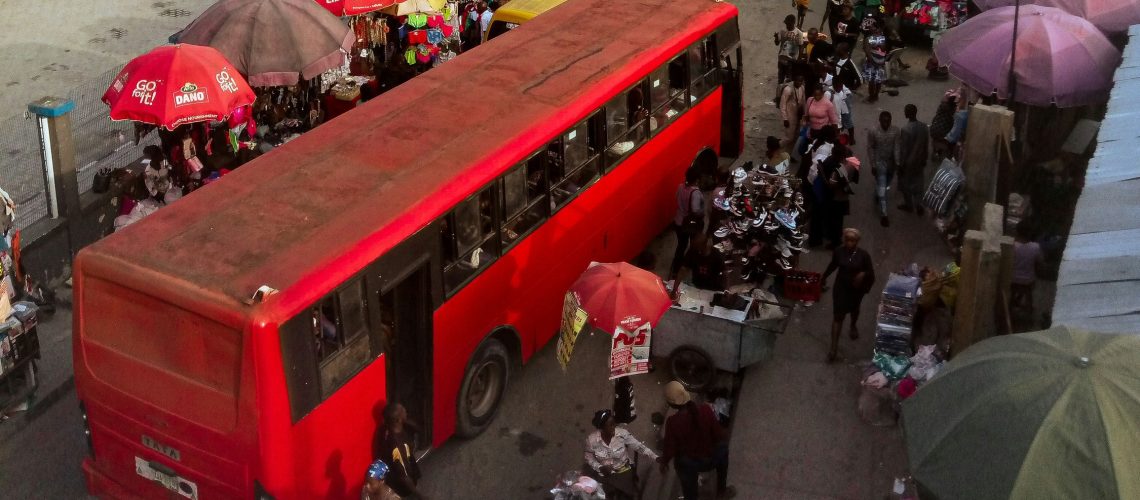
As African cities continue to grow, the demand for reliable, affordable, and accessible transportation is increasing.
From Lagos and Nairobi to Accra and Kigali, millions of people depend on public and informal transport systems to reach their workplaces, schools, markets, hospitals, and other essential destinations. However, traffic congestion, rising transport fares, inadequate infrastructure, and inconsistent services continue to affect daily movement.
Community transport offers a practical way to address some of these challenges. By connecting residents through shared vehicles, organized local routes, neighborhood shuttle services, and technology-enabled transport solutions, communities can make urban mobility more convenient and inclusive.
In the coming years, community transport could become an important part of Africa’s urban development. Its success, however, will depend on investment, effective planning, public participation, and cooperation between transport operators and local authorities.
What Is Community Transport?
Community transport refers to transportation services organized to meet the mobility needs of people within a particular neighborhood, town, or community. These services may be operated by local associations, private businesses, cooperatives, community organizations, or public institutions.
Unlike transport systems designed primarily around major commercial routes, community transport can focus on connecting residential areas to nearby markets, schools, healthcare facilities, workplaces, and public transport stations.
Examples include shared minibuses, neighborhood shuttles, community-managed buses, demand-responsive transport, and organized carpooling services.
In many African cities, informal transport operators already perform some of these functions. Danfo buses and shared minibuses in Nigeria, matatus in Kenya, and trotros in Ghana provide essential connections for millions of passengers. The future opportunity lies in improving coordination, safety, affordability, and reliability while preserving the local knowledge and accessibility that make these services valuable.
Why Community Transport Matters in African Cities
1. It Can Improve Access to Affordable Transportation
Transport expenses consume a significant portion of many households’ daily budgets. Workers, students, traders, and small business owners often make several trips each day, making affordable mobility essential.
Community transport can help reduce individual travel costs through shared rides, coordinated routes, and group transportation arrangements. For instance, residents of a growing suburb could organize a shuttle that connects their neighborhood to a major bus terminal during morning and evening rush hours.
When enough passengers share the service, operators can spread operating costs across multiple users. This approach may also reduce the need for residents to depend on expensive private vehicles or multiple separate trips.
However, affordability requires careful planning. Fuel prices, vehicle maintenance, driver wages, and passenger demand must all be considered when setting fares.
2. It Can Connect Underserved Neighborhoods
Some African urban communities have limited access to formal public transport. Residents in these areas may walk long distances before reaching a major bus stop or spend extra money on multiple connections.
Community transport can bridge these gaps by serving locations that larger transport networks do not adequately cover.
For example, a neighborhood shuttle could connect a residential settlement to a railway station, bus terminal, hospital, or commercial center. Such connections would make it easier for residents to access essential services without relying entirely on private cars or motorcycles.
This is particularly important in rapidly expanding urban areas, where housing development can outpace transport infrastructure.
3. It Can Support Small Businesses and Local Markets
Reliable transportation helps people move goods, reach customers, and participate in economic activities. Market traders, artisans, food vendors, and service providers all depend on accessible transport.
Community transport systems can improve connections between residential neighborhoods, wholesale markets, retail centers, and business districts. They can also support scheduled transport for traders who need to arrive at markets early in the morning.
In addition, better connections can help customers visit local businesses more easily. When transportation becomes predictable, businesses can plan deliveries, manage working hours, and serve a wider customer base.
These benefits could be especially valuable in cities where congestion and unreliable travel times frequently disrupt commercial activities.
Technology Will Shape the Future of Community Transport
Digital technology is likely to influence how community transport services operate. Mobile applications, digital payment systems, GPS tracking, and communication platforms can make shared transportation easier to coordinate.
Digital Booking and Route Planning
Passengers could use mobile platforms to check routes, reserve seats, view estimated arrival times, and receive service updates. Even simple booking systems operating through messaging applications could help local operators organize demand without requiring expensive technology.
For example, a transport cooperative serving an estate in Lagos could use a digital booking system to estimate how many passengers need a ride each morning. Operators could then assign vehicles according to demand.
Cashless Payments
Digital payments can simplify fare collection and reduce the need for passengers and drivers to carry cash. Mobile money, bank transfers, and other locally available payment methods may also improve recordkeeping for transport associations.
However, cash should remain an option where digital access is limited. A successful system must accommodate passengers who use basic phones, lack reliable internet access, or prefer physical payments.
Real-Time Tracking
GPS-enabled vehicles can help passengers estimate arrival times and identify designated pickup points. Tracking may also support fleet management, route monitoring, and accountability.
Nevertheless, these technologies require dependable connectivity, appropriate data protection, and training for operators. Digital tools should solve practical problems rather than introduce unnecessary costs.
The Role of Electric Vehicles in Community Transport
Electric vehicles could gradually become part of Africa’s community transport networks. Electric minibuses, buses, and smaller passenger vehicles may reduce local exhaust emissions and noise, particularly in densely populated neighborhoods.
For transport operators, electric vehicles may also offer lower energy and maintenance costs in suitable operating conditions. However, the overall financial benefits depend on purchase prices, financing arrangements, electricity tariffs, battery life, and charging infrastructure.
African cities will need to address several barriers before electric community transport becomes widespread.
These include the high upfront cost of vehicles, limited charging facilities, unreliable electricity in some locations, and the need for trained technicians. Battery replacement and access to spare parts must also be considered.
A gradual approach could begin with pilot projects on predictable, high-demand routes. Transport authorities and private investors could then assess operating costs, charging requirements, passenger demand, and environmental benefits before expanding the services.
Community Transport and Sustainable Urban Development
The future of transportation is closely connected to how African cities plan their neighborhoods. When housing, workplaces, schools, markets, and healthcare facilities are located far apart, residents often need longer journeys.
Community transport can support more sustainable urban development by connecting neighborhoods to existing public transport networks. Instead of replacing large buses, trains, or other mass transit systems, local shuttles can help passengers complete the first or last part of their journeys.
This approach can make public transportation more useful to people who live far from major stations.
Furthermore, well-planned shared transport can reduce dependence on private cars. If communities can access dependable and affordable shared services, some residents may have less need to own a vehicle or use individual cars for every journey.
The actual impact on congestion will depend on whether services attract private vehicle users, replace existing public transport trips, or simply add more vehicles to busy roads. Route planning and integration are therefore essential.
Creating Safer and More Inclusive Transport Systems
Future community transport services must accommodate people with different mobility needs. Women, children, older adults, people with disabilities, and passengers travelling late in the evening may face particular barriers.
Operators and local authorities can improve accessibility through several measures:
- Safer pickup points: Provide visible, well-lit locations with clear signage.
- Accessible vehicles: Introduce suitable boarding facilities, handrails, priority seating, and wheelchair access where feasible.
- Driver training: Teach operators about road safety, passenger assistance, and respectful conduct.
- Reliable schedules: Make it easier for passengers to plan journeys and avoid long waiting periods.
- Clear complaint channels: Allow passengers to report harassment, unsafe driving, overcharging, and service problems.
- Transparent fares: Display prices clearly and communicate any changes before passengers travel.
Community participation is particularly important. Residents should have opportunities to identify unsafe routes, suggest pickup locations, and report recurring service problems.
Transport planning should also consider people who cannot afford smartphone-based booking or digital-only payment systems. Inclusive services must remain accessible regardless of income, age, or technological ability.
Challenges That Could Slow Progress
Despite its potential, community transport faces practical challenges across African cities.
Inadequate Infrastructure
Poor road conditions, limited sidewalks, insufficient bus stops, and weak drainage can make local transport unreliable. During heavy rainfall, some routes become difficult or unsafe to navigate.
Governments and local authorities must improve road maintenance, pedestrian infrastructure, designated loading areas, and traffic management.
Funding and Financial Sustainability
Purchasing vehicles, maintaining fleets, paying drivers, and managing booking systems require consistent funding. Community organizations may struggle to secure affordable loans, especially when they lack formal financial records or sufficient collateral.
Cooperative ownership, responsible private investment, public-private partnerships, and targeted financing could help address these difficulties. Nevertheless, funding arrangements must be transparent and supported by realistic operating plans.
Fragmented Transport Networks
Different transport operators may use separate routes, payment methods, and operating schedules. Without coordination, passengers can experience long waits, unnecessary transfers, and unpredictable fares.
Local authorities can encourage cooperation by establishing common service standards, organizing routes, and creating connections between community shuttles and larger public transport systems.
Regulation and Accountability
Informal operators play an important role in urban mobility, but inconsistent enforcement and unclear operating requirements can create safety and service concerns.
Regulation should establish clear standards for vehicle condition, driver qualifications, insurance, fares, and passenger safety. At the same time, authorities should consult existing operators and avoid rules that unnecessarily exclude small businesses from the transport market.
How Governments and Communities Can Prepare
Building a dependable community transport system requires cooperation between several stakeholders.
Local governments can identify underserved neighborhoods, improve road infrastructure, establish operating standards, and coordinate routes with public transport agencies.
Transport associations and cooperatives can organize drivers, maintain vehicles, establish service schedules, and develop shared systems for collecting fares and handling complaints.
Technology companies can provide affordable booking, tracking, and payment tools that suit local operating conditions.
Financial institutions and investors can develop suitable financing arrangements for vehicle purchases, fleet maintenance, and infrastructure.
Residents and community organizations can identify local travel needs, provide feedback, and participate in decisions about routes, schedules, and fares.
Cities should begin by studying travel patterns and identifying communities where existing services are inadequate. Small pilot programmes can then test different operating models before larger investments are made.
Authorities should measure results using practical indicators such as average waiting time, fare affordability, passenger numbers, service reliability, safety incidents, and access to essential destinations. These measurements can help decision-makers determine whether a service is meeting community needs.
Conclusion
The future of community transport in African cities will depend on how effectively communities, businesses, and governments respond to the growing demand for accessible urban mobility.
Shared minibuses, neighborhood shuttles, digital booking systems, and electric vehicles could all contribute to more connected cities. However, technology and new vehicles alone will not solve transportation challenges. Affordable fares, safe infrastructure, reliable operations, and inclusive planning are equally important.
By strengthening existing local transport networks and connecting them to larger public transport systems, African cities can develop services that reflect the everyday needs of their residents.
Ultimately, successful community transport should do more than move people from one location to another. It should help residents reach opportunities, support local businesses, reduce barriers to essential services, and make urban life more manageable.
