

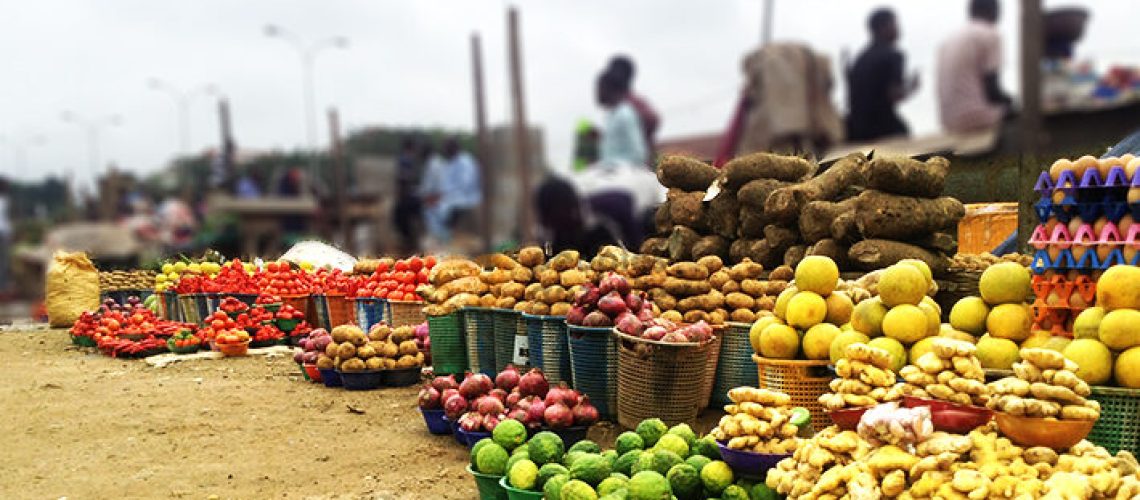
Food security has become one of Africa’s most pressing challenges and one of its greatest opportunities.
As the continent’s population continues to grow rapidly, ensuring that every person has access to sufficient, safe, and nutritious food is more important than ever. At the same time, Africa possesses vast agricultural land, a youthful workforce, and expanding technological innovation that could transform its food systems.
The future of food security in Africa will depend on how governments, businesses, farmers, researchers, and communities work together to address long-standing challenges while embracing new opportunities. By investing in modern agriculture, improving infrastructure, reducing food waste, and adapting to climate change, Africa can move closer to achieving sustainable food security for generations to come.
Understanding Food Security
Food security exists when everyone has consistent physical, social, and economic access to enough nutritious food to maintain a healthy and active life. It rests on four key pillars:
- Availability: Producing or importing enough food.
- Accessibility: Ensuring people can afford and obtain food.
- Utilization: Promoting nutritious diets and safe food preparation.
- Stability: Maintaining reliable food supplies despite economic or environmental disruptions.
When any of these pillars weakens, food insecurity increases. Millions of Africans still face hunger, malnutrition, or seasonal food shortages due to various interconnected factors.
The Current Food Security Landscape
Africa has made significant progress in agricultural production over recent decades. Many countries have expanded commercial farming, improved irrigation systems, and increased investment in agricultural research. However, several challenges continue to limit progress.
Climate change has brought more frequent droughts, floods, and unpredictable rainfall patterns. Many smallholder farmers, who produce a large share of Africa’s food, depend heavily on rain-fed agriculture. Consequently, changing weather conditions directly affect crop yields.
Population growth also increases pressure on food production. Africa is expected to become home to more than two billion people in the coming decades. Feeding this growing population will require substantial improvements in agricultural productivity.
Urbanization adds another layer of complexity. As cities expand, agricultural land often gives way to housing and infrastructure. Urban populations also rely heavily on efficient transportation networks to ensure food reaches markets quickly.
Climate-Smart Agriculture
One of the most promising developments for Africa’s future is climate-smart agriculture. This approach focuses on increasing productivity while protecting the environment and helping farmers adapt to changing weather conditions.
Farmers are increasingly adopting techniques such as:
- Conservation agriculture
- Crop rotation
- Agroforestry
- Efficient irrigation systems
- Drought-resistant crop varieties
- Improved soil management
These practices improve resilience while reducing environmental degradation. As governments and development organizations continue supporting climate-smart initiatives, agricultural productivity is likely to become more sustainable.
Technology Is Transforming Agriculture
Technology is reshaping agriculture across Africa in remarkable ways. Mobile phones, internet connectivity, drones, artificial intelligence, and satellite data are helping farmers make better decisions.
Digital agriculture allows farmers to:
- Monitor weather forecasts.
- Detect crop diseases early.
- Access market prices instantly.
- Receive agricultural training online.
- Connect directly with buyers.
- Access mobile financial services.
Precision farming tools also help farmers apply fertilizers and water more efficiently, reducing costs while increasing yields.
Artificial intelligence can analyze satellite imagery to identify crop stress before it becomes visible, allowing farmers to take corrective action quickly.
The Rise of Urban Farming
Urban farming is becoming increasingly important as African cities continue to grow. Rooftop gardens, hydroponics, aquaponics, and vertical farming allow food production within urban areas where traditional farmland is limited.
Urban agriculture offers several advantages:
- Shorter supply chains
- Fresher produce
- Reduced transportation costs
- Additional household income
- Improved food availability
Although urban farming will not replace rural agriculture, it can complement national food systems by increasing local food production.
Investing in Smallholder Farmers
Smallholder farmers remain the backbone of African agriculture. Supporting them is essential for improving food security across the continent.
Investments should focus on:
- Affordable quality seeds
- Modern farming equipment
- Access to fertilizers
- Agricultural extension services
- Credit facilities
- Crop insurance
- Better storage systems
When farmers have access to these resources, productivity improves, household incomes increase, and rural communities become more resilient.
Women farmers deserve particular attention because they contribute significantly to food production across Africa. Closing gender gaps in access to land, finance, education, and technology could substantially increase agricultural output.
Reducing Post-Harvest Losses
One of Africa’s biggest food security challenges occurs after crops are harvested. Significant amounts of food spoil before reaching consumers because of poor storage facilities, weak transportation networks, and limited cold-chain infrastructure.
Reducing post-harvest losses can dramatically improve food availability without requiring additional farmland.
Effective solutions include:
- Modern storage facilities
- Refrigerated transportation
- Better rural roads
- Food processing industries
- Improved packaging technologies
By preserving more harvested food, countries can strengthen food supplies while increasing farmers’ incomes.
Regional Trade Can Strengthen Food Security
Africa produces many agricultural products, yet food shortages often occur because goods cannot move efficiently across borders.
Greater regional trade can help balance supply and demand. When one region experiences poor harvests due to drought, another region may have surplus production.
Improved regional trade offers several benefits:
- More stable food supplies
- Lower food prices
- Expanded markets for farmers
- Reduced dependence on imports
- Stronger regional cooperation
Improving transport infrastructure, harmonizing trade policies, and reducing unnecessary border delays will make regional food distribution more efficient.
Innovation in Food Processing
Food processing industries play an important role in reducing waste while creating jobs and increasing food availability.
Instead of exporting raw agricultural products, African countries can add value by processing them locally into flour, juices, cooking oils, canned goods, dairy products, and packaged foods.
Local food processing helps:
- Extend shelf life
- Create employment
- Increase export earnings
- Support rural industries
- Improve food accessibility
As investment in agro-processing grows, more value will remain within African economies.
Youth Are Driving Agricultural Transformation
Africa has one of the world’s youngest populations. Many young entrepreneurs are entering agriculture with fresh ideas and technological expertise.
Young innovators are developing:
- Farm management apps
- Agricultural drones
- Digital marketplaces
- Irrigation technologies
- Supply chain solutions
- Food delivery platforms
Encouraging youth participation in agriculture can help modernize the sector while reducing unemployment.
Governments, universities, and private investors can accelerate this transformation by providing training, mentorship, startup funding, and innovation hubs.
Sustainable Farming Will Shape the Future
Long-term food security requires protecting natural resources. Unsustainable farming practices can lead to soil degradation, water shortages, and biodiversity loss.
Sustainable agriculture promotes:
- Soil conservation
- Water efficiency
- Organic matter restoration
- Responsible fertilizer use
- Biodiversity protection
- Renewable energy adoption
Healthy ecosystems ultimately support healthier food systems.
Government Policies Matter
Strong public policies remain essential for improving food security.
Governments can strengthen agriculture by:
- Investing in research
- Expanding irrigation infrastructure
- Improving rural roads
- Supporting agricultural education
- Encouraging private investment
- Strengthening early warning systems for droughts and pests
- Expanding social protection programs during food crises
Public-private partnerships can also accelerate agricultural innovation while attracting long-term investment.
Consumer Choices Also Make a Difference
Food security is not only the responsibility of farmers and governments. Consumers also influence food systems through their purchasing decisions and household habits.
Reducing food waste, supporting local farmers, choosing seasonal produce, and maintaining balanced diets contribute to stronger food systems.
Public awareness campaigns can encourage healthier eating habits while reducing unnecessary food losses at the household level.
Looking Ahead
The future of food security in Africa is filled with both challenges and promise. Climate change, rapid population growth, and economic pressures will continue to test the continent’s food systems. However, technological innovation, climate-smart farming, stronger regional cooperation, sustainable agriculture, and increased investment in farmers provide clear pathways toward a more secure future.
Africa has the natural resources, entrepreneurial spirit, and growing technological capacity needed to transform its agricultural sector. Success will depend on coordinated action from governments, private businesses, researchers, development organizations, and local communities.
If these efforts continue to gain momentum, Africa can not only feed its growing population but also become a global leader in sustainable agriculture and agricultural innovation. Strengthening food security will improve public health, reduce poverty, create millions of jobs, and build more resilient economies. The choices made today will determine whether future generations inherit a continent capable of producing abundant, nutritious food for all.
