

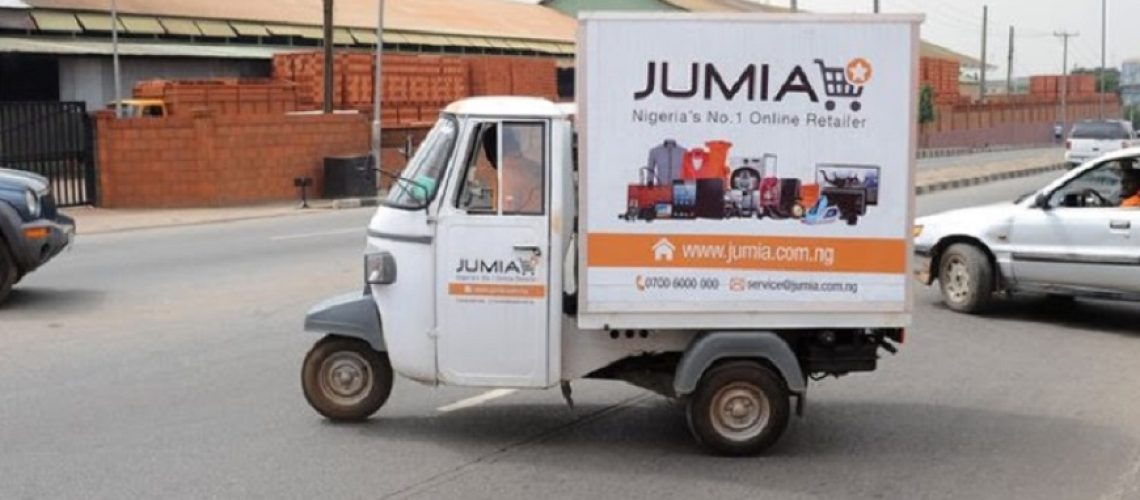
Urban delivery services have become an essential part of modern city life.
Whether people are ordering groceries, medicines, restaurant meals, or business supplies, fast and reliable delivery has become an everyday expectation. Across Africa and the rest of the world, growing populations, expanding e-commerce, and changing consumer habits are transforming how goods move from sellers to customers.
At the same time, cities face increasing challenges. Traffic congestion, rising fuel prices, environmental concerns, and infrastructure limitations make traditional delivery methods less efficient. Consequently, businesses and logistics providers are investing in smarter technologies and innovative delivery models.
The future of urban delivery services is not simply about delivering packages faster. Instead, it is about creating systems that are more efficient, sustainable, customer-focused, and accessible. As technology continues to evolve, cities across Africa have an opportunity to build delivery networks that support economic growth while improving everyday life.
Why Urban Delivery Services Matter
Urban delivery services connect businesses with customers quickly and conveniently. They also create employment opportunities, support small enterprises, and make products available to people who may not have easy access to physical stores.
Moreover, reliable delivery services contribute to:
- Increased customer satisfaction
- Business growth and competitiveness
- Better access to healthcare products
- Reduced travel time for consumers
- Greater convenience for busy families and professionals
As urban populations continue to expand, these services will become even more important.
The Rise of Smart Logistics
Technology is reshaping every stage of the delivery process. Instead of relying solely on manual planning, logistics companies now use digital tools to improve efficiency.
Artificial Intelligence
Artificial intelligence (AI) helps companies predict customer demand, optimize delivery routes, and reduce delays. As a result, drivers spend less time in traffic while businesses lower operating costs.
Furthermore, AI can analyze weather conditions, road closures, and traffic patterns in real time, allowing deliveries to be rerouted instantly.
Real-Time Tracking
Customers increasingly expect to know exactly where their package is. Real-time GPS tracking provides visibility throughout the delivery journey.
This transparency builds trust and reduces customer anxiety. In addition, businesses receive fewer support inquiries because customers can monitor deliveries themselves.
Data Analytics
Delivery companies collect valuable data every day. By analyzing customer behavior and delivery performance, they can identify patterns that improve future operations.
For example, businesses can determine:
- Peak delivery periods
- Popular delivery locations
- Average delivery times
- Customer preferences
These insights help companies make better business decisions.
Greener Delivery Solutions
Environmental sustainability is becoming a major priority in urban logistics. Traditional delivery vehicles contribute to air pollution and greenhouse gas emissions, especially in densely populated cities.
Therefore, many companies are adopting environmentally friendly alternatives.
Electric Delivery Vehicles
Electric vans and motorcycles produce fewer emissions than fuel-powered vehicles. They also have lower operating costs over time because they require less maintenance and electricity is often cheaper than fuel.
Although charging infrastructure remains limited in many African cities, investment is steadily increasing.
Bicycle and Motorcycle Deliveries
For short-distance deliveries, bicycles and motorcycles remain highly effective.
They can:
- Navigate heavy traffic
- Reach narrow streets
- Reduce fuel consumption
- Lower delivery costs
- Speed up last-mile delivery
Many African cities already rely heavily on motorcycles for food and parcel deliveries.
Eco-Friendly Packaging
Businesses are also replacing plastic packaging with recyclable or biodegradable materials.
Customers increasingly appreciate brands that reduce waste, making sustainable packaging both environmentally responsible and commercially attractive.
The Evolution of Last-Mile Delivery
The “last mile” refers to the final stage of transporting goods from a distribution center to the customer’s location. Although it is the shortest part of the journey, it is often the most expensive and complicated.
Future innovations will improve this crucial stage.
Micro Fulfillment Centers
Instead of operating from one large warehouse, companies are establishing smaller fulfillment centers closer to residential neighborhoods.
Consequently, delivery times become shorter while transportation costs decrease.
Smart Lockers
Parcel lockers located in shopping centers, office buildings, and residential communities allow customers to collect packages whenever convenient.
This approach reduces failed deliveries and improves efficiency.
Flexible Delivery Scheduling
Customers increasingly prefer choosing their own delivery times.
As technology improves, businesses will offer more personalized delivery windows, allowing customers to receive packages when they are available.
Drones and Autonomous Delivery
Although still developing, autonomous delivery technologies could significantly transform urban logistics.
Delivery Drones
Drones have the potential to transport lightweight items quickly across congested areas.
Possible uses include:
- Medical supplies
- Emergency medicines
- Small parcels
- Documents
- Urgent business deliveries
However, regulations, weather conditions, and safety concerns still limit widespread adoption.
Delivery Robots
Small autonomous robots are already being tested in several countries.
These robots can travel along sidewalks to deliver groceries and small packages over short distances.
While they may take time to become common in African cities, they demonstrate how automation may shape future logistics.
Digital Payments and Contactless Deliveries
Digital payment systems are making deliveries faster and more secure.
Instead of relying on cash, customers increasingly use:
- Mobile money
- Debit cards
- Credit cards
- Digital wallets
- Online banking
Meanwhile, contactless deliveries became more popular during the COVID-19 pandemic and continue to offer convenience and improved hygiene.
Opportunities for African Cities
Africa’s urban population is growing rapidly, creating enormous demand for efficient delivery services.
Several trends are driving this growth:
E-Commerce Expansion
More consumers now shop online for clothing, electronics, groceries, and household products.
As online retail expands, demand for dependable delivery services will continue rising.
Mobile Technology
High smartphone adoption allows customers to place orders, track deliveries, and communicate directly with delivery personnel.
This digital connectivity supports more efficient logistics networks.
Youth Employment
The logistics sector creates jobs for drivers, dispatchers, warehouse workers, software developers, customer service representatives, and entrepreneurs.
As delivery networks expand, they can contribute significantly to economic development.
Local Innovation
African startups are creating solutions tailored to local challenges, including traffic congestion, informal addressing systems, and cashless payment adoption.
These innovations position African entrepreneurs to lead regional logistics transformation.
Challenges That Must Be Addressed
Despite exciting progress, several obstacles remain.
Traffic Congestion
Heavy traffic continues to delay deliveries in many large cities.
Improved road infrastructure and smarter traffic management can help reduce these delays.
Poor Addressing Systems
Some neighborhoods still lack standardized street names or house numbers.
Digital mapping technologies and location-sharing applications are helping solve this challenge.
Infrastructure Gaps
Reliable roads, electricity, internet connectivity, and charging stations remain essential for modern logistics.
Continued public and private investment will strengthen delivery networks.
Rising Operational Costs
Fuel prices, vehicle maintenance, insurance, and labor expenses continue to increase.
Businesses must balance affordability with profitability while maintaining service quality.
What Consumers Can Expect
The coming years will likely bring several improvements for customers.
Consumers can expect:
- Faster same-day deliveries
- Better package tracking
- More delivery time options
- Greener transportation methods
- Improved customer communication
- Increased delivery reliability
- Wider availability of services
As competition grows, customer experience will become an even greater priority.
How Businesses Should Prepare
Businesses that embrace innovation will be better positioned for long-term success.
They should:
- Invest in digital logistics systems
- Improve inventory management
- Partner with reliable delivery providers
- Use customer data responsibly
- Explore sustainable delivery options
- Train employees on new technologies
- Continuously improve customer service
Companies that adapt early will gain a competitive advantage in increasingly dynamic urban markets.
Conclusion
The future of urban delivery services is bright, driven by technology, sustainability, and changing consumer expectations. Artificial intelligence, electric vehicles, real-time tracking, digital payments, and smarter logistics networks are transforming how goods move through cities.
Although challenges such as traffic congestion, infrastructure gaps, and operational costs remain, innovation continues to create practical solutions. Across Africa, growing e-commerce, entrepreneurial creativity, and expanding digital connectivity present exciting opportunities to reshape urban logistics.
Ultimately, the cities that invest in smarter delivery systems today will build stronger local economies, support thriving businesses, and improve the quality of life for millions of residents. As urban delivery services become faster, cleaner, and more efficient, they will play a central role in the future of modern African cities.
