

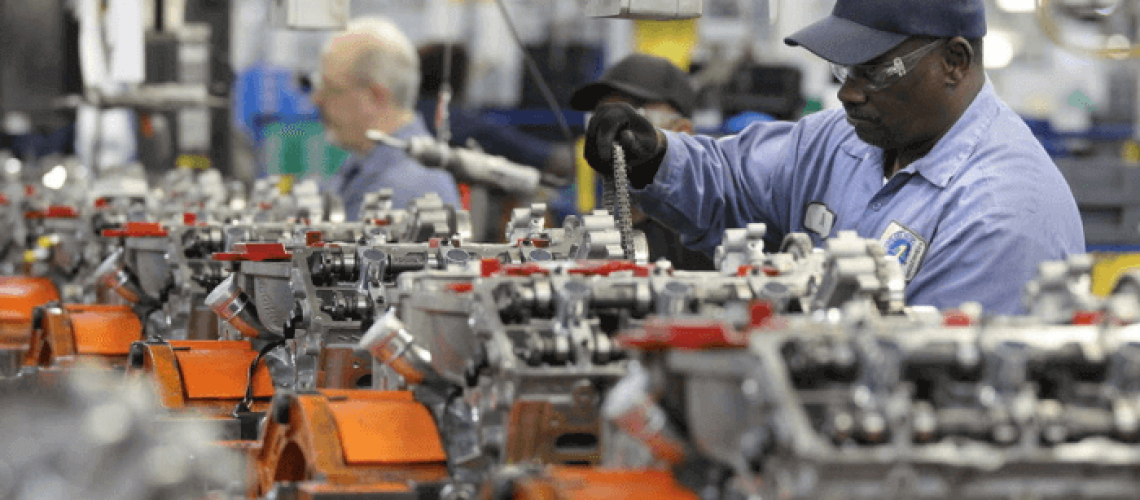
Local manufacturing is becoming one of the most important drivers of economic growth across Africa.
While challenges remain, the momentum behind local manufacturing continues to grow. Advances in technology, supportive government policies, regional trade agreements, and increasing consumer demand for locally made products are helping transform Africa into a more productive and self-reliant continent.
What Is Local Manufacturing?
Local manufacturing refers to the production of goods within a country’s borders using domestic resources, labor, and industrial facilities. Rather than importing finished products, businesses manufacture or assemble them locally, adding value to raw materials and creating employment opportunities.
Examples include:
- Food and beverage processing
- Textile and garment production
- Furniture manufacturing
- Building materials
- Automotive assembly
- Consumer electronics
- Household products
- Pharmaceuticals
- Agricultural equipment
Manufacturing allows countries to move beyond exporting raw materials by creating higher-value finished goods.
Why Local Manufacturing Matters
Manufacturing has long been regarded as one of the strongest foundations of economic development. Countries that built strong manufacturing sectors have generally experienced faster industrialization, higher incomes, and greater economic resilience.
For African nations, expanding local manufacturing offers several important benefits.
1. Job Creation
Manufacturing creates employment opportunities across multiple skill levels.
Factories require:
- Engineers
- Machine operators
- Technicians
- Quality inspectors
- Logistics personnel
- Sales professionals
- Administrative staff
Beyond direct employment, manufacturing also supports suppliers, transport companies, maintenance services, and retailers. Every new factory often creates jobs far beyond its production floor.
2. Reducing Import Dependence
Many African countries import products that could be produced locally.
Heavy dependence on imports can lead to:
- Foreign exchange shortages
- Higher consumer prices
- Supply chain disruptions
- Trade imbalances
Local manufacturing reduces these risks by increasing domestic production capacity. During global disruptions such as pandemics or shipping delays, countries with stronger manufacturing sectors are often better positioned to maintain stable supplies of essential goods.
3. Adding Value to Natural Resources
Africa possesses abundant natural resources including:
- Cocoa
- Cotton
- Timber
- Coffee
- Minerals
- Rubber
- Leather
- Agricultural products
Instead of exporting raw materials, manufacturers can process them into finished goods with much higher market value.
For example:
- Cocoa becomes chocolate.
- Cotton becomes clothing.
- Timber becomes furniture.
- Cassava becomes packaged food products.
This creates greater economic value while increasing export earnings.
4. Supporting Small Businesses
Large manufacturers often rely on networks of local suppliers.
These suppliers provide:
- Packaging
- Raw materials
- Transportation
- Equipment maintenance
- Marketing services
- Cleaning services
- Information technology support
As manufacturing grows, thousands of small businesses benefit from participating in these supply chains.
Manufacturing Growth Across Africa
Many African countries are investing heavily in industrial development.
Nigeria
Nigeria continues expanding local manufacturing in sectors such as:
- Cement
- Food processing
- Consumer goods
- Pharmaceuticals
- Agriculture
Government initiatives encouraging local production have helped reduce reliance on certain imported goods while stimulating domestic industries.
Kenya
Kenya has become a regional manufacturing hub for:
- Textiles
- Processed foods
- Chemicals
- Construction materials
- Household products
The country’s industrial parks continue attracting investment.
South Africa
South Africa remains one of Africa’s most industrialized economies.
Major manufacturing industries include:
- Automotive
- Steel
- Chemicals
- Food production
- Machinery
- Mining equipment
Its manufacturing expertise supports exports across the continent.
Egypt
Egypt has invested heavily in manufacturing zones focused on:
- Electronics
- Home appliances
- Pharmaceuticals
- Construction materials
- Food processing
Its strategic location supports exports to Europe, the Middle East, and Africa.
Ethiopia
Ethiopia has developed industrial parks that attract international manufacturers, particularly in textiles and apparel. These investments have created thousands of new jobs while expanding export opportunities.
Technology Is Accelerating Manufacturing
Modern manufacturing increasingly depends on technology.
African manufacturers are adopting:
- Automation
- Robotics
- Computer-aided design
- Artificial intelligence
- Internet of Things (IoT) sensors
- Data analytics
- Digital inventory systems
Technology improves:
- Product quality
- Production speed
- Cost efficiency
- Inventory management
- Customer satisfaction
Digital tools also help small manufacturers compete with larger companies.
The Role of Regional Trade
The implementation of the African Continental Free Trade Area (AfCFTA) is creating new opportunities for manufacturers. Lower trade barriers allow businesses to sell products across multiple African countries more easily.
Benefits include:
- Larger customer markets
- Increased production volumes
- Greater investment opportunities
- Improved regional supply chains
- Enhanced industrial cooperation
Instead of manufacturing solely for domestic markets, companies can now target millions of consumers across the continent.
Consumers Are Supporting Local Brands
Consumer attitudes are changing.
Many Africans increasingly choose locally made products because they:
- Support local jobs
- Strengthen national economies
- Often offer competitive pricing
- Reflect local tastes and preferences
- Reduce shipping costs
- Improve product availability
Growing confidence in African brands has encouraged businesses to invest more in local production.
Manufacturing and Food Security
Food manufacturing plays a vital role in reducing food waste and improving food security.
Processing agricultural products allows:
- Longer shelf life
- Better packaging
- Reduced post-harvest losses
- Greater market access
- Higher farmer incomes
Examples include:
- Rice milling
- Tomato processing
- Fruit juice production
- Dairy processing
- Flour milling
- Vegetable oil production
Food manufacturing strengthens both agriculture and industry simultaneously.
Challenges Facing Local Manufacturing
Despite encouraging progress, several obstacles remain.
Limited Infrastructure
Reliable electricity, transportation, ports, and water systems remain essential for efficient manufacturing.
Power outages and poor road networks can increase production costs.
High Production Costs
Manufacturers often face:
- Expensive financing
- High energy costs
- Imported machinery expenses
- Currency fluctuations
- Inflation
Reducing these costs remains important for improving competitiveness.
Skills Development
Modern manufacturing requires technical expertise.
Countries need continued investment in:
- Technical education
- Vocational training
- Engineering
- Industrial management
- Digital manufacturing skills
A skilled workforce helps industries adopt advanced technologies more effectively.
Access to Finance
Many manufacturers, especially small and medium-sized enterprises (SMEs), struggle to secure affordable financing for:
- Equipment purchases
- Factory expansion
- Research and development
- Working capital
Improved access to funding can accelerate industrial growth.
Government Support
Many governments are encouraging manufacturing through:
- Tax incentives
- Industrial parks
- Export promotion
- Local content policies
- Infrastructure investment
- Skills training
- Research funding
Public-private partnerships are also helping develop stronger industrial ecosystems.
Opportunities for Entrepreneurs
Local manufacturing is not limited to large factories.
Entrepreneurs are building successful businesses producing:
- Packaged foods
- Cosmetics
- Cleaning products
- Furniture
- Clothing
- Leather goods
- Building materials
- Household items
Small-scale production can gradually expand into regional and international markets.
Sustainability in Manufacturing
Modern manufacturers increasingly focus on environmentally responsible production.
Sustainable practices include:
- Recycling materials
- Renewable energy use
- Water conservation
- Waste reduction
- Eco-friendly packaging
- Energy-efficient machinery
These approaches reduce environmental impact while improving long-term profitability.
The Future of Local Manufacturing
Africa’s manufacturing sector is expected to continue expanding as population growth, urbanization, digital transformation, and regional integration increase demand for locally produced goods.
Emerging industries such as electric vehicle assembly, renewable energy equipment, pharmaceuticals, medical supplies, and advanced food processing present significant opportunities for investment and innovation. As infrastructure improves and businesses adopt new technologies, manufacturers will be better positioned to compete in both regional and global markets.
Success will depend on collaboration among governments, private investors, educational institutions, and entrepreneurs to build resilient industrial ecosystems capable of supporting long-term economic growth.
Conclusion
The growth of local manufacturing represents one of Africa’s most promising paths toward sustainable development. By transforming raw materials into finished products, creating employment, encouraging innovation, and strengthening supply chains, manufacturing contributes to stronger and more resilient economies.
Although challenges such as infrastructure gaps, financing constraints, and skills shortages remain, continued investment and supportive policies are helping unlock the sector’s potential. As consumers increasingly embrace locally made products and regional trade expands, African manufacturers have an unprecedented opportunity to drive industrialization, improve livelihoods, and position the continent as a competitive force in the global economy.
