

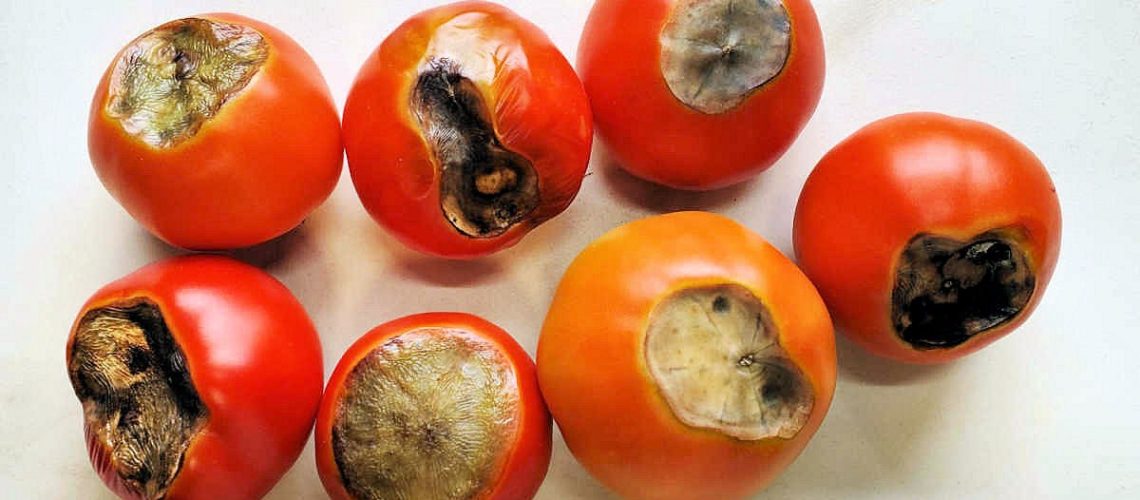
The Real Reason Your Tomatoes Rot in 3 Days (And the Easy Fix)
You buy a basket of fresh tomatoes from the market. They look firm, bright and healthy. Three days later, some are soft, leaking juice and developing dark patches. Before long, the entire batch seems ready for the bin.
Sound familiar?
Tomatoes can spoil surprisingly quickly, especially in warm and humid environments. In many African cities, where temperatures can remain high for much of the year, poor storage can turn fresh tomatoes into food waste within days.
But the problem is not always the tomatoes themselves. Often, it is where and how they are stored.
The good news is that you do not need an expensive refrigerator or complicated storage system to make tomatoes last longer. A few simple changes can significantly reduce spoilage.
Why Do Tomatoes Rot So Quickly?
Tomatoes are living fruits. Even after they are harvested, they continue to breathe and release moisture and natural gases.
When tomatoes are kept in a warm, poorly ventilated or overly crowded space, several things happen.
First, moisture becomes trapped around the tomatoes. That creates an environment where mould and bacteria can grow.
Second, ripe tomatoes become softer. When they are stacked on top of one another, their weight creates bruises. Those small damaged areas become entry points for microorganisms.
Finally, tomatoes that are already damaged or overripe can speed up the deterioration of nearby tomatoes.
This is why one rotten tomato can seem to “infect” the rest of the basket.
The Biggest Mistake: Storing Tomatoes in a Plastic Bag
One of the easiest ways to make tomatoes spoil faster is to keep them sealed in a plastic bag.
Plastic traps moisture and limits airflow. If the tomatoes are warm when they are placed inside, condensation can form around them.
That moisture has nowhere to escape.
Instead of staying fresh, the tomatoes sit in a warm and humid environment that encourages mould growth.
If you buy tomatoes in a plastic bag from a market, remove them from the bag when you get home. Spread them out and allow air to circulate.
Another Problem: Keeping Them in a Huge Pile
Buying tomatoes in bulk can save money, but storing the entire purchase in one large pile can create problems.
The tomatoes at the bottom carry the weight of those above them. As they become softer, they bruise.
Those bruises may not be obvious when you first buy the tomatoes. Within a few days, however, the damaged areas can become dark, watery and mouldy.
Instead of piling tomatoes into a deep bowl, spread them across a shallow tray, basket or ventilated container.
The goal is simple: reduce pressure and increase airflow.
Should You Keep Tomatoes in the Refrigerator?
This depends on the tomatoes and when you plan to use them.
Firm, unripe tomatoes are generally better kept at room temperature until they ripen. Refrigeration can affect their texture and flavour.
However, fully ripe tomatoes that you will not use immediately may benefit from refrigeration because the cold environment slows down the processes that cause them to deteriorate.
If you refrigerate ripe tomatoes, allow them to return closer to room temperature before eating or cooking if you want better flavour.
For households that buy tomatoes in large quantities, the most important thing is not simply choosing between a fridge and a cupboard. It is knowing which tomatoes need to be used first.
The Easy Fix: Sort Them Immediately
One of the simplest ways to make tomatoes last longer is to sort them as soon as you get home.
Do not simply drop the entire market bag on the kitchen floor and leave it there.
Instead, inspect the tomatoes.
Separate them into three groups:
1. Firm tomatoes:
These can stay at room temperature and be used later.
2. Ripe but healthy tomatoes:
Use these within the next few days.
3. Soft, bruised or damaged tomatoes:
Use these first.
This small habit can dramatically reduce waste.
If one tomato has already started leaking, remove it from the rest immediately.
Store Tomatoes With Airflow
Tomatoes need ventilation.
A shallow basket, tray or open container is usually better than a sealed plastic bag. Avoid packing them tightly together.
If you have a large quantity, divide them into smaller portions instead of putting everything into one container.
For example, instead of placing 5kg of tomatoes into one deep bowl, divide them between two or three shallow baskets or trays.
This makes it easier to inspect them and reduces pressure on the tomatoes underneath.
Keep Them Away From Excess Heat
The kitchen can become one of the warmest areas in the house, particularly when cooking.
Avoid placing tomatoes directly beside a gas cooker, oven or other heat-producing appliance.
Heat accelerates ripening and deterioration.
A cool, dry and well-ventilated part of the kitchen is usually a better location.
Also avoid placing tomatoes directly on damp floors or surfaces.
Don’t Wash All Your Tomatoes Immediately
Another common mistake is washing an entire batch of tomatoes immediately after buying them and then storing them while they are still wet.
Water left on the surface can increase moisture around the tomatoes.
If you want to wash them before storage, make sure they are completely dry before putting them away. Otherwise, wash only the tomatoes you are preparing to eat or cook.
This simple habit can help reduce unnecessary moisture.
Buy What You Can Store
Sometimes the easiest way to prevent tomato waste is to change how much you buy.
Buying in bulk can appear cheaper, but it is not a bargain if half the tomatoes end up in the bin.
Before buying a large quantity, consider how quickly your household uses tomatoes.
A family that cooks tomato-based meals almost every day may benefit from buying larger quantities. A smaller household may save more money by purchasing smaller amounts more frequently.
The real goal is not simply to buy cheaply.
It is to buy wisely and use completely.
A Better Strategy for Bulk Tomato Buyers
If you regularly buy tomatoes in large quantities, develop a simple rotation system.
When you bring new tomatoes home, do not automatically place them in front of the older ones.
Use the older tomatoes first.
You can also plan meals around tomatoes that are approaching full ripeness. Softer tomatoes can be used for stews, sauces, soups and blended tomato mixtures.
This prevents perfectly usable food from becoming waste simply because it is no longer firm enough for fresh use.
The Bigger Problem: Food Waste
Tomato spoilage may seem like a small household problem, but repeated food waste can become expensive.
Imagine buying ₦10,000 worth of tomatoes and losing one-third of them every week. Over several months, the wasted money becomes significant.
The same principle applies to restaurants, food vendors, caterers, churches, schools and community kitchens.
Better storage does not only protect food. It protects money.
This is particularly important when food prices are rising and households are looking for practical ways to stretch their budgets.
The Bottom Line
The real reason your tomatoes may be rotting within three days is often not mysterious. Heat, trapped moisture, poor ventilation, bruising and overripe tomatoes can work together to speed up spoilage.
The easy fix is to change how you handle them.
Remove tomatoes from sealed plastic bags. Sort them when you get home. Separate damaged tomatoes. Keep them in a cool, ventilated place. Avoid stacking them too deeply, and use ripe tomatoes before firm ones.
Most importantly, buy according to how quickly your household can consume them.
Fresh food does not always need complicated preservation methods. Sometimes, a shallow basket, better airflow and a little organisation are enough to keep your tomatoes fresh for longer, and keep your money from literally going to waste.
