

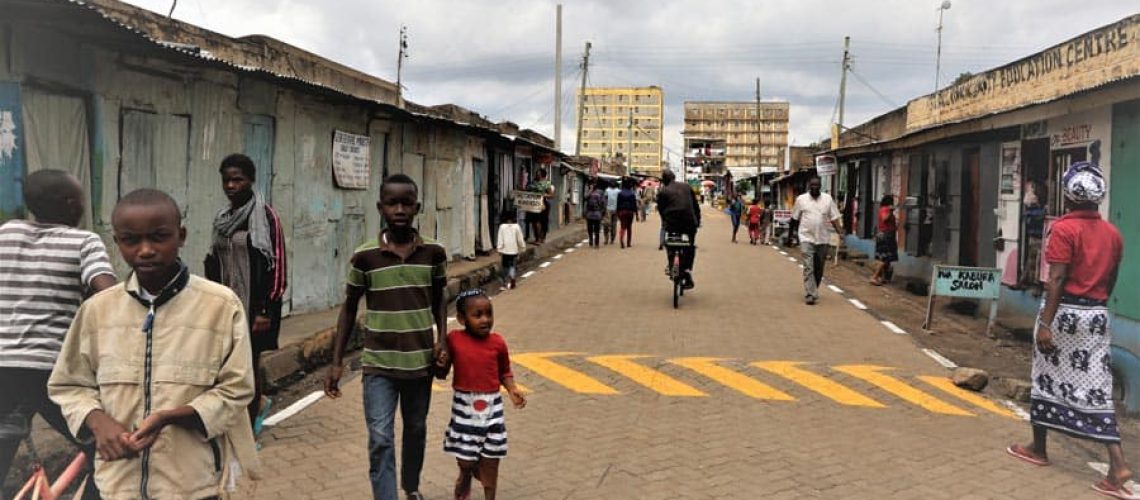
African cities are changing rapidly.
As populations grow and more people move into urban areas, residential communities are also evolving. One of the most noticeable changes is the growing interest in community spaces, places where residents can meet, relax, exercise, work, learn, and build relationships.
From shared gardens and playgrounds to recreational parks, community halls, co-working spaces, and neighbourhood lounges, these areas are becoming an important part of modern residential life. They provide more than physical space. They create opportunities for people to connect in communities where busy lifestyles can sometimes make social interaction difficult.
Why Community Spaces Matter
Traditionally, many African communities relied on informal spaces for social interaction. Streets, open compounds, local markets, religious centres, football fields, and family courtyards often served as meeting points.
However, urban development has changed how people live. Apartments are becoming more common, residential compounds are becoming denser, and traffic makes it harder for neighbours to visit one another. Community spaces offer a structured way to recreate some of the social connections that have always been important to African life.
A well-designed community space can encourage residents to spend time outside their homes and interact with people they might otherwise rarely meet.
Supporting Stronger Neighbourhood Relationships
One of the biggest benefits of shared spaces is their ability to bring people together.
A playground can help children make friends while giving parents an opportunity to meet. A community hall can host meetings, workshops, celebrations, and cultural events. A shared garden can bring residents together around food production and environmental activities.
These interactions may appear simple, but they can gradually create stronger neighbourhood relationships. Residents who know one another are often more likely to cooperate, share information, support each other, and take greater responsibility for their surroundings.
Creating Healthier Urban Lifestyles
Community spaces can also encourage healthier lifestyles.
In many African cities, residents spend long hours commuting, working, or managing household responsibilities. Limited access to safe outdoor areas can make regular exercise difficult.
Residential developments that include walking paths, sports courts, gyms, swimming pools, parks, or open recreational areas give residents more opportunities to remain active.
These spaces do not have to be expensive. Even a small landscaped area with seating, walking paths, and exercise equipment can encourage residents to spend more time outdoors.
Providing Safe Spaces for Children
Children are another major reason community spaces are becoming increasingly important.
In densely populated neighbourhoods, children may have limited access to safe areas where they can play. Busy roads, inadequate public parks, and overcrowded streets can make outdoor activities challenging.
Residential communities can address this problem by creating dedicated playgrounds and recreational areas. Such spaces give children room to play, explore, develop social skills, and participate in physical activities.
Parents also benefit because they can monitor their children in a controlled environment.
Supporting Work and Entrepreneurship
The rise of remote work and small businesses has created another role for community spaces.
Some modern residential developments now include co-working areas, meeting rooms, shared offices, and business lounges. These facilities can be particularly useful for freelancers, entrepreneurs, consultants, and remote employees who may not have a suitable workspace at home.
Community workspaces can also create opportunities for residents to collaborate. A graphic designer might meet a business owner who needs branding services. A photographer might connect with an event planner. A technology professional might find a potential business partner.
In this way, residential spaces can become small ecosystems for entrepreneurship.
Encouraging Community Activities
Community spaces also provide locations for activities that bring residents together.
Neighbourhoods can organise fitness sessions, movie nights, children’s activities, book clubs, skill-sharing workshops, cultural celebrations, farmers’ markets, and community meetings.
These activities can make residential areas feel more welcoming and inclusive. They also give residents opportunities to contribute their skills and interests.
For African cities with diverse populations, shared spaces can encourage cultural exchange and strengthen a sense of belonging.
The Role of Good Design
Simply creating a community space does not guarantee that residents will use it. Design matters.
Spaces should be accessible, comfortable, safe, and appropriate for the people who live around them. Seating areas should provide shade where possible, particularly in warmer climates. Lighting can improve safety in the evening. Greenery can make spaces more attractive and comfortable.
Developers should also consider accessibility for older residents and people with disabilities.
Most importantly, community spaces should reflect the needs of the local population rather than simply copying designs from other parts of the world.
Challenges to Consider
Despite their benefits, community spaces face several challenges.
Maintenance can become a problem when residents or property managers do not establish clear responsibilities. Poor security can also discourage people from using shared facilities. In some developments, spaces may become exclusive amenities that only a small group of residents can afford to access.
Cost is another consideration. Developers need to balance attractive community facilities with affordable housing.
Successful community spaces therefore require more than construction. They need proper management, maintenance, security, and community participation.
Building More Connected African Cities
The growth of community spaces reflects a broader shift in how people think about residential development. A home is no longer simply a private building. Increasingly, people want neighbourhoods that support social connections, recreation, work, health, and everyday convenience.
For African cities experiencing rapid urbanisation, this approach could become particularly valuable. Thoughtfully designed community spaces can help make residential areas more liveable while preserving the social interaction that has long been central to African communities.
As cities continue to grow, the neighbourhoods that succeed may not simply be those with the tallest buildings or most modern apartments. They may be the ones that give people meaningful places to meet, connect, work, play, and build a sense of community.
