

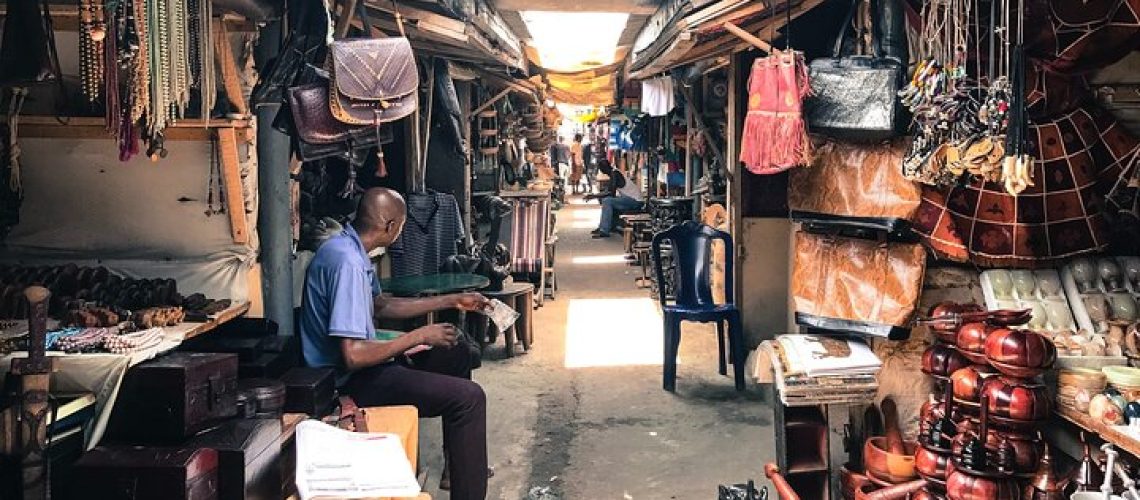
Across Africa, traditional markets are far more than places where people buy and sell goods.
They are living cultural institutions that preserve history, strengthen communities, and pass traditions from one generation to another. Despite the rapid growth of supermarkets, shopping malls, and e-commerce, these bustling marketplaces continue to thrive because they represent the heart of African society.
From vibrant textile stalls and handcrafted artwork to locally grown produce and traditional medicines, African markets showcase the continent’s incredible diversity. Every market tells a unique story about its people, customs, and way of life.
This article explores how traditional markets preserve cultural heritage while remaining essential to Africa’s economy and identity.
The Historical Importance of Traditional Markets
Traditional markets have existed in Africa for centuries. Long before modern retail systems emerged, these markets served as centers of commerce, diplomacy, social interaction, and cultural exchange.
Communities gathered on designated market days to trade goods such as:
- Fresh fruits and vegetables
- Livestock
- Grains and spices
- Handmade pottery
- Textiles
- Jewelry
- Leather products
- Traditional medicines
Over time, these markets became places where people shared news, resolved disputes, celebrated festivals, and built lasting relationships.
Preserving Indigenous Crafts
One of the greatest contributions of traditional markets is their role in protecting indigenous craftsmanship.
Across Africa, artisans continue producing handmade goods using techniques that have been passed down through generations. These include:
- Handwoven baskets
- Beaded jewelry
- Wood carvings
- Bronze sculptures
- Hand-dyed fabrics
- Leather sandals
- Pottery
- Traditional musical instruments
Unlike factory-made products, handcrafted items carry stories, cultural symbolism, and regional identities.
By purchasing locally made crafts, consumers help preserve traditional skills that might otherwise disappear.
Passing Knowledge Between Generations
Traditional markets function as informal learning centers.
Many traders inherit their businesses from parents or grandparents, learning everything from product sourcing to customer service and negotiation.
Young family members often grow up helping in market stalls, where they gain valuable knowledge about:
- Local languages
- Traditional business practices
- Cultural etiquette
- Craft production
- Agricultural products
- Community values
This continuous transfer of knowledge ensures that cultural traditions remain alive.
Celebrating Local Food Culture
African markets are famous for showcasing authentic local cuisine.
Visitors can discover fresh ingredients that form the foundation of traditional meals, including:
- Indigenous vegetables
- Local spices
- Fresh fish
- Smoked meats
- Millet
- Sorghum
- Cassava
- Plantains
- Yams
Many markets also feature vendors preparing traditional dishes using recipes that have been preserved for generations.
These food traditions strengthen cultural identity while introducing younger generations to their culinary heritage.
Supporting Local Farmers
Traditional markets create direct connections between farmers and consumers.
Instead of relying solely on large distribution chains, many farmers sell their harvests directly to shoppers.
This system offers several benefits:
- Fresher produce
- Better prices for farmers
- Reduced transportation costs
- Less food waste
- Stronger rural economies
Supporting local agriculture also helps preserve indigenous crops that are adapted to local climates.
Protecting Indigenous Languages
Marketplaces remain important spaces where indigenous languages are spoken daily.
While urbanization encourages the use of global languages, traditional markets continue to promote local dialects during buying, selling, and social interactions.
Language preservation is essential because language carries:
- Oral history
- Proverbs
- Folklore
- Traditional knowledge
- Cultural values
Every conversation in a traditional market contributes to keeping these languages alive.
Traditional Markets as Tourist Attractions
Many African markets attract visitors from around the world who seek authentic cultural experiences.
Tourists visit these markets to:
- Buy handmade souvenirs
- Taste traditional foods
- Observe local customs
- Meet artisans
- Experience everyday community life
Responsible tourism generates additional income while encouraging communities to preserve their cultural identity.
Strengthening Community Relationships
Unlike modern shopping centers, traditional markets encourage meaningful social interaction.
People visit not only to shop but also to:
- Meet friends
- Exchange ideas
- Celebrate community events
- Share local news
- Support family businesses
These interactions strengthen trust and social cohesion within communities.
Preserving Traditional Medicine
Many African markets continue to serve as important centers for traditional herbal medicine.
Experienced herbalists sell natural remedies prepared from locally sourced plants, roots, bark, and seeds.
While modern healthcare remains essential, traditional medicine continues to play an important cultural role for many communities, especially in rural areas.
Knowledge about medicinal plants is often passed down through generations, making markets valuable spaces for preserving this heritage.
Women’s Role in Traditional Markets
Women have long been central to Africa’s traditional markets.
Across the continent, female traders:
- Operate family businesses
- Sell agricultural products
- Produce handcrafted goods
- Manage food stalls
- Support household incomes
Their entrepreneurial efforts contribute significantly to local economies while maintaining longstanding market traditions.
Adapting to Modern Times
Traditional markets continue to evolve without losing their cultural essence.
Many traders now embrace modern tools by:
- Accepting mobile payments
- Promoting products on social media
- Offering delivery services
- Joining digital marketplaces
- Improving packaging and branding
These innovations help traditional businesses remain competitive while preserving their cultural roots.
Challenges Facing Traditional Markets
Despite their importance, many traditional markets face significant challenges, including:
- Urban redevelopment
- Competition from supermarkets
- Online shopping
- Climate change affecting agricultural supply
- Inadequate infrastructure
- Poor sanitation
- Limited access to financing
Addressing these issues requires investment from governments, communities, and private organizations.
How Communities Can Preserve Traditional Markets
Protecting traditional markets requires collective effort.
Communities can help by:
- Shopping from local traders regularly
- Supporting local artisans
- Promoting cultural tourism
- Investing in market infrastructure
- Teaching younger generations about traditional crafts
- Organizing cultural festivals within market spaces
- Encouraging sustainable farming practices
These actions ensure that markets remain vibrant centers of culture and commerce.
The Future of Traditional Markets in Africa
As Africa continues to urbanize and embrace digital transformation, traditional markets remain remarkably resilient. Their ability to combine commerce, culture, and community gives them an enduring role in everyday life.
By blending modern business practices with centuries-old traditions, these markets can continue to serve future generations while preserving the continent’s rich cultural heritage.
Conclusion
Traditional markets are much more than commercial spaces, they are living museums of African culture. They preserve indigenous crafts, safeguard local languages, celebrate traditional cuisine, support farmers, empower women, and strengthen community bonds.
As modernization reshapes the continent, protecting these markets becomes increasingly important. Supporting traditional markets is not only an investment in local economies but also a commitment to preserving Africa’s cultural identity for generations to come.
Frequently Asked Questions (FAQs)
Why are traditional markets important in Africa?
Traditional markets preserve cultural heritage, support local businesses, create employment, promote indigenous crafts, and strengthen community relationships.
How do traditional markets preserve culture?
They preserve traditional crafts, local languages, food traditions, business customs, and cultural practices that have been passed down through generations.
What products are commonly sold in African traditional markets?
Common products include fresh produce, handmade crafts, textiles, pottery, spices, livestock, jewelry, traditional medicines, and locally prepared foods.
How do traditional markets support local economies?
They provide income for farmers, artisans, traders, transport providers, and many small businesses while keeping money circulating within local communities.
Can traditional markets survive modernization?
Yes. By adopting digital payments, improving infrastructure, and embracing responsible tourism while maintaining cultural traditions, traditional markets can continue to thrive in the modern economy.
