

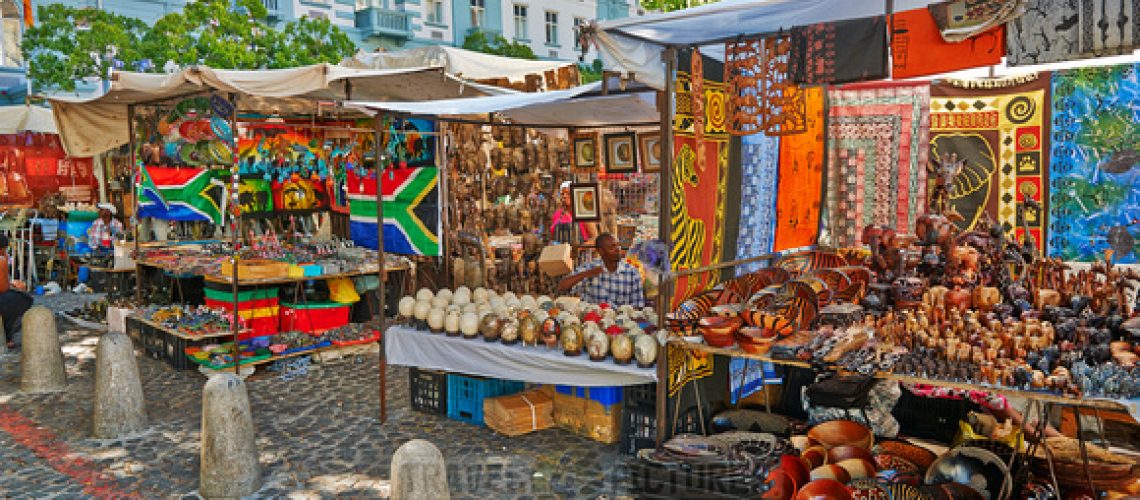
Africa’s retail landscape is a fascinating blend of tradition and modernity.
Across the continent, bustling open-air markets that have served communities for centuries now coexist with modern shopping malls, supermarkets, and commercial centers. Both play important roles in the daily lives of millions of Africans, offering unique shopping experiences and contributing significantly to local economies.
As urbanization, technology, and changing consumer preferences continue to reshape commerce, the debate between traditional markets and modern shopping centers has become increasingly relevant. Rather than replacing one another, these two retail models often complement each other, serving different needs and customer segments.
This article explores the differences, advantages, challenges, and future prospects of traditional markets and modern shopping centers in Africa.
The Legacy of Traditional Markets
Traditional markets have long been at the heart of African commerce. Found in cities, towns, and villages, these markets serve as centers for trade, culture, and social interaction.
Many of Africa’s most famous markets have operated for generations, connecting farmers, artisans, traders, and consumers. These markets are often vibrant spaces where bargaining, relationship-building, and community engagement are as important as the transactions themselves.
Common products sold in traditional markets include:
- Fresh produce
- Grains and spices
- Textiles and fabrics
- Handmade crafts
- Household items
- Livestock
- Local delicacies
For many households, traditional markets remain the primary source of daily necessities.
The Rise of Modern Shopping Centers
Over the past two decades, Africa has witnessed significant growth in modern retail infrastructure. Shopping malls, supermarkets, and commercial centers have emerged in major cities as rising incomes and urban populations drive demand for organized retail experiences.
Modern shopping centers typically offer:
- Supermarkets
- Fashion stores
- Electronics outlets
- Restaurants and food courts
- Entertainment facilities
- Banks and financial services
- Pharmacies and health stores
These centers provide consumers with convenience, comfort, and access to both local and international brands.
Pricing and Affordability
Traditional Markets
One of the biggest advantages of traditional markets is affordability. Prices are often negotiable, allowing customers to bargain for better deals.
Benefits include:
- Competitive pricing
- Flexible negotiations
- Bulk purchasing options
- Direct sourcing from producers
Many consumers find fresh foods and locally produced goods cheaper in traditional markets than in supermarkets.
Modern Shopping Centers
Modern retail outlets generally have fixed prices. While this creates transparency, products may sometimes be more expensive due to operational costs such as rent, utilities, and imported inventory.
However, shopping centers often compensate through:
- Promotional discounts
- Loyalty programs
- Seasonal sales
- Product guarantees
Consumers who value convenience may consider the higher prices worthwhile.
Shopping Experience
Traditional Markets
Shopping in traditional markets is often lively and interactive.
Customers enjoy:
- Personal relationships with vendors
- Cultural authenticity
- Product customization
- Community engagement
The atmosphere reflects local traditions and social connections that are difficult to replicate elsewhere.
Modern Shopping Centers
Shopping malls provide a more structured and predictable experience.
Advantages include:
- Air-conditioned environments
- Organized product displays
- Enhanced security
- Ample parking facilities
- Cleaner surroundings
Many urban consumers appreciate the comfort and convenience these facilities offer.
Product Variety
Both retail formats offer extensive product choices, though their strengths differ.
Traditional Markets
Traditional markets excel in:
- Fresh agricultural products
- Locally produced goods
- Indigenous foods
- Handmade crafts
- Traditional clothing
Customers seeking authentic local products often prefer these markets.
Modern Shopping Centers
Shopping centers provide access to:
- International brands
- Packaged goods
- Electronics
- Luxury products
- Specialty retail services
This variety appeals to middle-class consumers and those seeking premium shopping experiences.
Economic Impact
Supporting Local Entrepreneurs
Traditional markets are essential platforms for small-scale traders and entrepreneurs.
They provide:
- Low barriers to entry
- Opportunities for informal businesses
- Income generation for families
- Support for local supply chains
Millions of Africans earn their livelihoods through market-based commerce.
Attracting Investment
Modern shopping centers contribute to economic growth by:
- Creating formal employment
- Attracting foreign investment
- Encouraging infrastructure development
- Expanding tax revenues
Large retail developments often stimulate surrounding business activity and urban growth.
Social and Cultural Importance
Traditional markets are more than commercial spaces. They often function as cultural landmarks where people exchange information, preserve traditions, and strengthen community ties.
In many African societies, market days remain important social events that bring together people from surrounding communities.
Modern shopping centers, meanwhile, are becoming new social hubs, especially among younger generations. Many visitors go to malls not only to shop but also to dine, socialize, watch movies, and attend events.
Challenges Facing Traditional Markets
Despite their importance, traditional markets face several challenges:
- Inadequate infrastructure
- Traffic congestion
- Limited sanitation facilities
- Exposure to weather conditions
- Informal business structures
- Limited access to financing
Many governments are investing in market modernization projects to improve safety and efficiency while preserving cultural heritage.
Challenges Facing Modern Shopping Centers
Modern retail centers also face obstacles, including:
- High operating costs
- Dependence on stable electricity supply
- Economic fluctuations affecting consumer spending
- Competition from e-commerce platforms
- Expensive rental fees for retailers
Maintaining profitability can be challenging, particularly during economic downturns.
The Impact of Technology
Technology is influencing both retail models.
Traditional market traders increasingly use:
- Mobile payment systems
- Social media marketing
- Messaging apps for orders
- Delivery services
Meanwhile, modern retailers are investing in:
- Online shopping platforms
- Digital loyalty programs
- Contactless payments
- Inventory management systems
Technology is helping bridge the gap between traditional and modern commerce.
The Future of Retail in Africa
Rather than competing directly, traditional markets and modern shopping centers are likely to continue evolving side by side.
Future trends may include:
- Digitized traditional markets
- Hybrid retail models
- Increased e-commerce integration
- Smart shopping experiences
- Improved market infrastructure
- Greater support for local producers
Consumers will benefit from having multiple options that suit different budgets, lifestyles, and preferences.
Conclusion
Traditional markets and modern shopping centers each play vital roles in Africa’s retail ecosystem. Traditional markets preserve cultural heritage, support local entrepreneurship, and provide affordable goods, while modern shopping centers offer convenience, organization, and access to global brands.
As Africa’s economies continue to grow and urbanize, both retail formats are expected to remain important. The future of African commerce lies not in choosing one over the other, but in finding ways for both to thrive and complement each other in an increasingly connected marketplace.
