

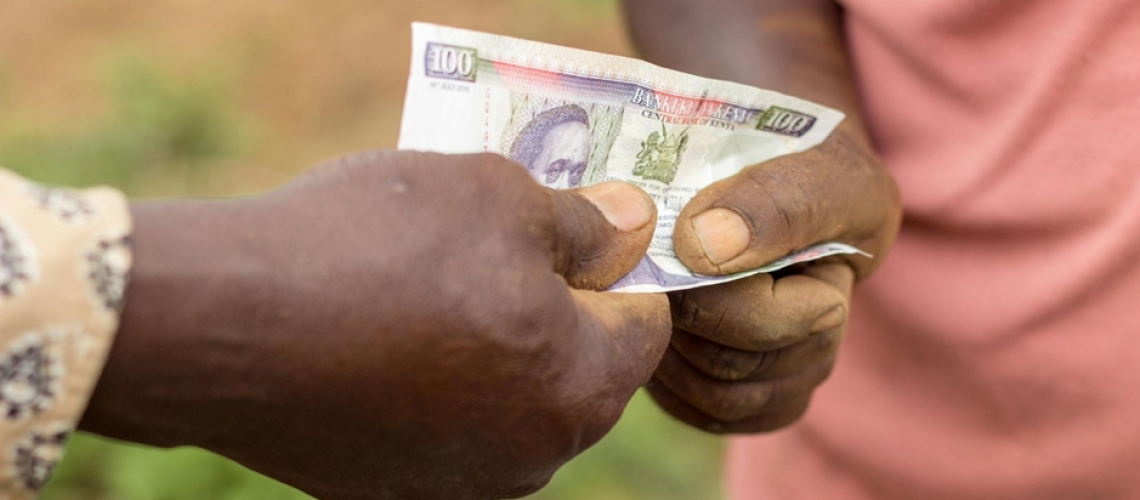
Across Africa, digital payments are growing rapidly.
Mobile money, bank transfers, payment apps, cards, and digital wallets have made it easier for millions of people to pay for products and services without carrying physical money.
Yet cash remains an important part of everyday commerce.
From open-air markets and roadside stalls to small shops, transport services, and community businesses, cash continues to play a major role in many African economies. Its continued importance does not necessarily mean people reject technology. Instead, it reflects the realities of how many consumers and businesses earn, spend, and manage money.
Cash Is Simple and Familiar
One of the biggest reasons cash remains popular is familiarity.
People understand how cash works. A customer gives money to a seller and receives goods or change. No smartphone, application, bank account, internet connection, or payment terminal is required.
For small transactions, this simplicity can be particularly convenient.
A customer buying vegetables from a market trader or paying for a quick service may prefer cash because it is immediate and straightforward.
Not Everyone Has Reliable Digital Access
Digital payments depend on infrastructure.
A customer may need a functioning phone, sufficient battery power, mobile network coverage, data, or access to a financial account. When any of these are unavailable, cash becomes an important alternative.
This is especially relevant in areas where internet connectivity or electricity supply remains inconsistent.
Cash allows transactions to continue even when digital systems experience technical problems.
Informal Businesses Depend on Cash
Africa has a large informal economy, with millions of people earning income through small-scale trading, agriculture, transportation, food sales, repairs, domestic services, and other activities.
Many informal businesses operate with limited financial infrastructure.
A market trader may not have a card terminal or formal point-of-sale system. A roadside food seller may prefer immediate cash payments. A small service provider may not maintain a business bank account.
For these businesses, cash can remain one of the easiest ways to receive payment.
Small Transactions Make Cash Convenient
Cash is particularly useful for low-value purchases.
Buying a snack, paying for a short trip, purchasing vegetables, or paying for a minor service may not require a digital transaction.
In busy markets, speed also matters. Sellers want to serve customers quickly, while buyers want to complete transactions without unnecessary steps.
When digital payment systems work smoothly, they can be convenient. But when they involve delays, network issues, transaction limits, or additional charges, some customers may return to cash.
Trust Influences Payment Choices
Payment methods are also connected to trust.
Some customers feel more comfortable handing money directly to a seller than transferring funds electronically. Others may worry about sending money to the wrong account or dealing with failed transactions.
Cash provides a physical confirmation of payment.
This does not mean digital payments lack trust. In fact, digital finance has become increasingly trusted in many African markets. However, payment habits often develop gradually, especially among people who have used cash for most of their lives.
Digital Payments Are Not Replacing Cash Everywhere
The growth of digital finance can sometimes create the impression that cash is disappearing completely.
The reality is more complicated.
Digital and cash payments often exist side by side. A consumer may receive income digitally, withdraw some of it as cash, and then use that cash for everyday purchases.
Another person may use bank transfers for rent and larger purchases while relying on cash for market shopping.
This creates a hybrid financial environment where different payment methods serve different purposes.
Cash Supports Financial Flexibility
Cash can also give consumers flexibility in situations where digital payment options are limited.
A person does not need to worry about whether a particular vendor accepts a specific payment application. Cash is widely understood and generally does not depend on compatibility between different platforms.
For small businesses, accepting cash can also prevent them from losing customers who do not have access to digital payment services.
Challenges of Cash
Despite its advantages, cash has significant weaknesses.
Carrying large amounts of money can create security risks. Physical cash can also be lost, stolen, or damaged.
For businesses, handling cash requires careful record keeping. Mistakes in counting money can affect daily accounts, while large amounts of cash may need secure storage or transportation.
Digital transactions can provide automatic records, making it easier for businesses to monitor payments and analyze their finances.
Digital Finance Is Changing Consumer Expectations
Although cash remains important, digital payment growth is changing what customers expect from businesses.
Many consumers now appreciate payment flexibility. They may want to pay through bank transfer, mobile money, cards, or cash depending on their circumstances.
Businesses that offer multiple payment options can therefore serve a wider range of customers.
For small businesses, the lesson is not necessarily to abandon cash. It is to understand customers and provide convenient options wherever possible.
Infrastructure Will Shape the Future
The future role of cash will depend partly on how financial and digital infrastructure develops.
More reliable internet access, affordable smartphones, stronger payment networks, interoperable financial platforms, and greater digital financial literacy could encourage more people to use electronic payments.
At the same time, cash is unlikely to disappear simply because digital alternatives exist.
Payment habits are influenced by income levels, location, business type, infrastructure, trust, convenience, and personal preference.
The Importance of Financial Inclusion
The continued use of cash also highlights the importance of financial inclusion.
A truly inclusive financial system should not assume that everyone has the same access to technology or formal financial services.
Digital finance can expand opportunities, but it works best when people can access the infrastructure and knowledge required to use it confidently.
Until that happens everywhere, cash will remain an important part of economic life.
Conclusion
Cash still matters in many African markets because it is familiar, accessible, flexible, and practical for everyday transactions. The rise of digital payments does not automatically eliminate the need for physical money. Instead, Africa’s financial landscape is developing through a combination of traditional and digital systems.
For businesses, understanding this reality is important. Offering customers several reliable ways to pay can create a more convenient experience and help companies serve diverse markets.
Africa’s payment future may be increasingly digital, but for millions of consumers and small businesses, cash remains a practical part of today’s economy, and it is likely to remain so for years to come.
