

Why Do Deliveries Fail in Nigeria? 7 Causes and Fixes
Ordering a product online should be simple. A customer selects an item, makes payment, receives a confirmation, and waits for delivery. Yet, for many Nigerian customers, the experience can involve unanswered phone calls, incorrect addresses, unexpected delays, and parcels that never arrive.
For businesses, these problems go beyond inconvenience. Failed deliveries can increase operating costs, damage customer relationships, and reduce repeat purchases. Delivery companies also lose valuable time and resources when riders make unnecessary trips or return parcels to their warehouses.
So, why do deliveries fail in Nigeria? The reasons range from poor address information and traffic congestion to communication gaps and inadequate planning. Fortunately, businesses can address many of these problems with practical changes.
Here are seven common causes of delivery failures in Nigeria and the solutions that can help.
1. Incomplete or Incorrect Delivery Addresses
One major reason deliveries fail is poor address information. A customer may provide a street name without a house number, use an unfamiliar landmark, or enter an incorrect phone number. In some areas, streets lack visible signs, making navigation even more difficult.
For example, telling a delivery rider to bring a package to a location near a popular filling station may seem clear to the customer. However, several filling stations could exist within the same neighbourhood.
When riders cannot locate customers, they waste time searching, making calls, and asking for directions.
The fix: Businesses should collect detailed delivery information during checkout. Request the customer’s full address, phone number, nearest landmark, and relevant directions. Where possible, include a map pin or GPS location.
Customers should also confirm their details before submitting an order. Delivery companies can verify unclear addresses before dispatch rather than waiting until a rider reaches the area.
A few minutes spent confirming an address can prevent an expensive failed trip.
2. Traffic Congestion and Poor Route Planning
Traffic congestion remains a major challenge for delivery operations in cities such as Lagos, Abuja, and Port Harcourt. Road construction, accidents, flooding, and rush-hour traffic can turn a short journey into a lengthy trip.
Poor route planning makes matters worse. A rider may travel across a city for one delivery, only to return to the same area later for another parcel. Without proper scheduling, fuel costs increase and customers experience longer waiting times.
Unfortunately, promising every customer same-day delivery without considering road conditions can create unrealistic expectations.
The fix: Logistics companies should plan routes according to location, delivery priority, traffic conditions, and estimated travel time. Grouping nearby deliveries can reduce unnecessary journeys.
Businesses can also establish realistic delivery windows and communicate possible delays early. Where suitable, route-planning software and live traffic information can help dispatchers make better decisions.
Although companies cannot eliminate traffic, they can reduce its impact through smarter planning.
3. Poor Communication Between Customers and Riders
Sometimes, the rider reaches the correct location, but the customer is unavailable. The customer may be at work, attending a meeting, travelling, or unable to answer calls.
In other cases, the rider calls without warning, leaving the customer unprepared to receive the package. A missed call can quickly become a failed delivery, especially when the rider has several other orders to complete.
Poor communication between the business, dispatch team, rider, and customer can also create confusion about delivery times or payment arrangements.
The fix: Businesses should establish a clear communication process. Send order confirmations, dispatch notifications, estimated arrival times, and delivery updates through SMS, WhatsApp, email, or other suitable channels.
Riders should contact customers before arrival and follow an agreed procedure when nobody answers. Customers, in turn, should provide working phone numbers and remain reachable during the delivery window.
Clear communication reduces missed appointments and helps everyone manage expectations.
4. Inaccurate Delivery Promises
Competition encourages many Nigerian businesses to advertise fast delivery. Some promise delivery within hours without considering their inventory, staffing, distance, or transport capacity.
While attractive promises may generate orders, failing to meet them can damage customer trust.
For instance, a business might advertise same-day delivery across Lagos even though its warehouse is located far from several customer locations. Traffic, order volume, and rider availability can make the promise difficult to keep.
Repeated delays may convince customers to choose competitors, even when the products themselves are excellent.
The fix: Businesses should create delivery timelines based on actual operating capacity. Consider the customer’s location, order processing time, stock availability, and likely traffic conditions before confirming an estimated arrival.
Separate same-day, next-day, and standard delivery options where appropriate. If a delay occurs, inform the customer instead of allowing them to wait without explanation.
Honest delivery estimates are more valuable than impressive promises that the business cannot consistently fulfil.
5. Wrong, Missing, or Damaged Items
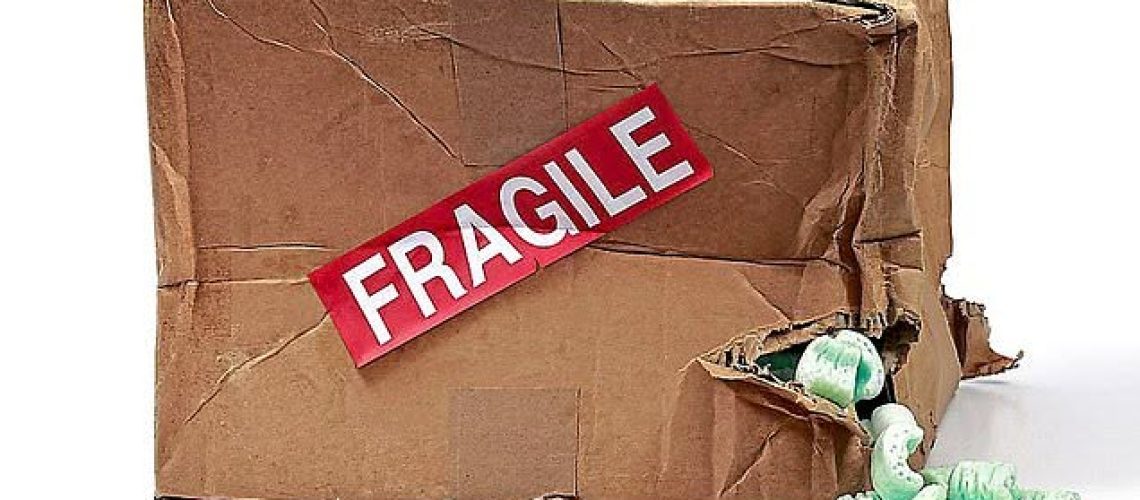
A delivery can reach the correct customer on time and still fail because the parcel contains the wrong product. Missing items, incorrect sizes, damaged packaging, and incomplete orders can all lead to complaints and returns.
These problems often begin before dispatch. Poor inventory records, rushed packing, unclear product labels, and inadequate quality checks can allow mistakes to pass unnoticed.
Fragile products may also suffer damage during handling or transportation if workers use unsuitable packaging.
The fix: Businesses should introduce a simple order verification process. Before sealing a parcel, compare the items against the customer’s order and confirm the quantities, sizes, colours, and other relevant details.
Use suitable packaging for each product category. Fragile items need adequate cushioning, while liquids require secure closures and protection against leaks.
Where possible, record dispatch details and inspect returned products to identify recurring problems. Better picking, packing, and quality control can prevent avoidable returns and replacement costs.
6. Failed Payments and Unclear Payment Terms
Payment problems can disrupt deliveries, particularly when customers choose cash on delivery. A customer may refuse to pay upon arrival, claim they have already transferred money, or discover that the amount due differs from the agreed price.
Transfers can also create confusion when payment confirmation is delayed or customers send screenshots without completing the transaction.
For delivery companies, unresolved payment issues can result in wasted trips, uncollected goods, and additional administrative work.
The fix: Businesses should communicate payment terms before dispatch. Clearly state the product price, delivery fee, payment method, and any applicable additional charges.
For bank transfers, confirm receipt through the appropriate banking or payment system rather than relying solely on screenshots. If cash on delivery is available, establish clear procedures for collecting and recording payments.
Businesses may also encourage secure prepayment through trusted payment channels. However, they should explain the process clearly and provide reliable order confirmations.
Transparent payment arrangements reduce disputes and make deliveries easier to complete.
7. Weak Logistics Management and Poor Tracking
Some delivery failures occur because businesses lack a reliable system for monitoring orders. Parcels may remain in warehouses without being dispatched, riders may receive incomplete instructions, or customer complaints may go unanswered because nobody knows the current status of an order.
Small businesses often manage deliveries through scattered WhatsApp messages, handwritten records, and phone calls. These methods may work initially, but they become difficult to maintain as order volumes increase.
Without reliable tracking, managers cannot easily identify bottlenecks or determine who is responsible for resolving a problem.
The fix: Businesses should establish a central delivery record containing the order number, customer details, dispatch date, assigned rider, current status, and proof of delivery.
Depending on the business’s size, this may involve a shared spreadsheet, delivery management software, or an integrated e-commerce platform.
Staff should update delivery statuses consistently, while managers should review failed deliveries to identify patterns. For example, repeated failures in one neighbourhood may indicate address problems, access restrictions, or unrealistic delivery schedules.
A clear tracking system improves accountability and helps businesses resolve complaints faster.
Conclusion
Delivery failures in Nigeria often result from a combination of poor address information, traffic congestion, weak communication, unrealistic promises, packing mistakes, payment disputes, and inadequate logistics management.
Although businesses cannot control every road condition or customer decision, they can improve the processes that determine whether a delivery succeeds.
Start by confirming addresses, planning realistic routes, communicating clearly, checking every parcel, and maintaining accurate delivery records. As order volumes increase, invest in tools that improve visibility and accountability.
Ultimately, successful delivery is not simply about moving a parcel from one location to another. It is about fulfilling a promise to the customer.
For Nigerian businesses competing in an increasingly demanding market, reliable delivery can become a powerful advantage. When customers receive the right products at the expected time, they are more likely to trust the business, return for future purchases, and recommend its services to others.
