

In a growing African city, finding a home, business, hospital, shop, or government office should not feel like a treasure hunt.
Yet, across many urban communities, unclear street names, missing house numbers, informal landmarks, and inconsistent addressing systems can make everyday navigation surprisingly difficult.
At first glance, a street address may seem like a simple administrative detail. In reality, however, reliable addresses are an important part of how modern cities function. They help people find one another, allow businesses to receive deliveries, support emergency services, and give governments better information for urban planning.
As African cities continue to expand, dependable addressing systems can therefore play a major role in creating more connected, efficient, and inclusive urban environments.
What Makes a Street Address Reliable?
A reliable address provides enough consistent information for someone to locate a specific property without unnecessary confusion.
Typically, an effective addressing system includes:
- Clearly named streets and roads
- Consistent house or building numbers
- Recognizable neighborhoods or districts
- Accurate maps and digital location data
- Clearly marked public roads
- Address records that can be updated as communities develop
However, African cities do not necessarily need to copy addressing systems from other parts of the world. Instead, each city can develop a system that reflects its geography, settlement patterns, culture, and technology.
Most importantly, the system must remain consistent and easy to understand.
1. Reliable Addresses Improve Emergency Response
Few situations demonstrate the importance of accurate addresses more clearly than an emergency.
When someone needs an ambulance, fire service, or police assistance, vague directions can waste valuable time. Descriptions such as “after the big church” or “behind the market” may make sense to residents. For an emergency responder unfamiliar with the neighborhood, however, those directions can create delays.
A dependable street address gives responders a clearer starting point. Consequently, emergency teams can identify locations more efficiently and navigate directly to the correct property.
For rapidly growing cities, this advantage becomes even more important. Better addressing can support faster emergency response and improve coordination between residents and public safety agencies.
2. Addresses Make Deliveries Easier
The growth of e-commerce, food delivery, and courier services has made accurate locations more important than ever.
A customer might successfully place an order online, only to spend several minutes explaining where their home or office is located. Meanwhile, delivery riders may need to make repeated phone calls, search for landmarks, or rely on local knowledge to complete a delivery.
Reliable addresses can simplify the entire process.
For example, a clearly numbered building on a properly named street gives delivery workers a specific destination. As a result, businesses can reduce failed deliveries, save fuel, improve routes, and provide better customer experiences.
Customers also benefit because they spend less time waiting for drivers to find them.
3. Reliable Addresses Help Businesses Become More Visible
A physical address gives a business a recognizable presence within a city.
For small businesses in particular, this visibility can make a significant difference. A properly addressed restaurant, salon, workshop, office, shop, or warehouse becomes easier for customers and suppliers to locate.
Furthermore, accurate addresses can improve how businesses appear on digital maps and location-based platforms.
As Africa’s digital economy expands, physical discoverability is becoming increasingly important. A strong online presence matters, but customers still need to know where they can find the business in the real world.
4. They Support Better Urban Planning
Cities cannot plan effectively without knowing where their roads, buildings, businesses, homes, and public facilities are located.
Accurate addressing can help local authorities organize this information more effectively. Consequently, planners can make better decisions about infrastructure and public services.
Such information can support:
- Road development
- Public transportation
- Waste collection
- Drainage infrastructure
- Electricity distribution
- Water services
- Schools and healthcare facilities
- Housing development
- Disaster preparedness
Therefore, an address is more than a navigation tool. It can become part of the information infrastructure that helps a city understand its own growth.
5. Addresses Improve Public Service Delivery
Government services often depend on knowing where residents and facilities are located. With clearer addresses, authorities can organize waste collection, distribute official documents, conduct surveys, deliver public notices, and coordinate community services more effectively.
Moreover, reliable location data can help governments identify underserved neighborhoods.
When an area is difficult to locate or poorly represented on official maps, its residents may face additional barriers to public services. By contrast, a recognized address gives that community a clearer place within the city’s administrative system.
6. Reliable Addresses Can Support Financial Inclusion
Accurate location information can also contribute to economic participation.
Banks, insurance companies, logistics providers, online businesses, and other service providers may request a customer’s physical address. Without a standardized system, residents may have to rely on landmarks, informal descriptions, or lengthy directions.
As more financial and commercial services move online, dependable addresses can make verification and service delivery easier.
For entrepreneurs, the benefits can be particularly useful. A home-based business, small workshop, office, or retail operation can establish a clearer physical identity when its location is properly recognized.
7. They Make Cities Easier to Navigate
A well-addressed city is easier for both residents and visitors to understand.
Instead of depending entirely on local knowledge, people can use street names, building numbers, maps, and navigation applications to find their destinations. As a result, moving around the city becomes less stressful.
Tourism can benefit as well.
Visitors need to locate hotels, restaurants, cultural attractions, transport hubs, and other destinations with confidence. Clear addressing can therefore contribute to a more convenient experience for tourists and international visitors.
8. Addressing Can Make Informal Communities More Visible
Many African cities contain rapidly developing neighborhoods where infrastructure has not kept pace with population growth.
In some communities, roads have no official names, buildings lack numbers, and entire settlements are poorly represented on conventional maps. Consequently, residents can become difficult to locate within formal urban systems.
Creating reliable addressing systems can help change this situation.
Importantly, addressing should not simply mean placing signs on streets. It should form part of a wider effort to connect communities with infrastructure, transportation, public services, and economic opportunities.
Local residents should also have a voice in the process. Their knowledge of neighborhood names, landmarks, boundaries, and community history can help authorities create systems that are practical and widely accepted.
9. Digital Mapping Makes Addressing Even More Important
Modern cities increasingly depend on digital maps and location technology. Ride-hailing platforms, delivery companies, navigation applications, logistics providers, and emergency services all depend on accurate geographic information. Therefore, poor addressing can create problems far beyond traditional street navigation.
African cities have an opportunity to combine physical and digital systems.
For instance, street signs and building numbers can work alongside GPS coordinates, digital maps, location codes, and mobile applications. This approach can make addresses useful to both people and technology.
Nevertheless, digital tools should complement physical addressing rather than completely replace it. A driver may use GPS to reach a neighborhood, but a visible street sign and building number can still make the final part of the journey much easier.
10. Reliable Addresses Reduce Everyday Stress
Not every benefit of good addressing involves major infrastructure or emergency services. Sometimes, the biggest advantage is simply convenience.
Consider how much easier everyday life becomes when you can give someone your exact address instead of a long series of landmarks. Ordering food becomes simpler when a delivery rider can identify your building quickly. Similarly, technicians, couriers, friends, and visitors can reach your location with fewer phone calls.
These small improvements matter because they happen repeatedly.
Over time, better navigation can save residents and businesses considerable amounts of time, fuel, and effort.
Challenges African Cities Face
Creating reliable addressing systems is not always straightforward.
African cities have diverse settlement patterns. Some neighborhoods developed through formal planning, while others grew organically over many years. Meanwhile, rapid urbanization can introduce new streets and buildings faster than authorities can update official records.
Several other challenges may also arise, including:
- Limited municipal resources
- Poorly maintained road signs
- Rapid urban expansion
- Inconsistent property records
- Informal settlements
- Duplicate or confusing street names
- Weak coordination between government agencies
- Incomplete digital mapping
Nevertheless, these challenges can be addressed through cooperation between governments, communities, technology companies, businesses, and urban planners.
The Role of Technology
Technology can significantly accelerate the development of modern addressing systems.
Digital mapping tools, for example, can help cities create and maintain databases containing streets, buildings, and public facilities. GPS technology can provide precise location information, while mobile applications can make addresses easier to share.
In addition, digital addressing systems can provide location codes or coordinates alongside traditional street names and building numbers.
This combination can be especially useful in rapidly developing neighborhoods where conventional addressing infrastructure is still being established.
Even so, technology should not make physical addressing irrelevant. A balanced system can use digital tools for precision while retaining street signs and building numbers for everyday navigation.
How African Cities Can Build Better Addressing Systems
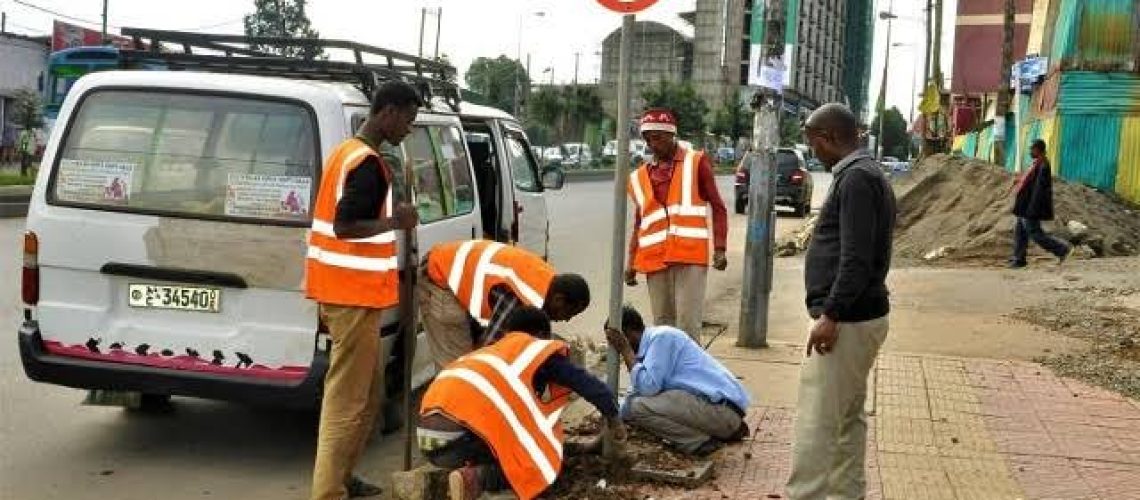
African cities can take several practical steps to improve their addressing systems. First, authorities can conduct systematic mapping exercises to identify streets, buildings, public facilities, and neighborhoods.
Next, cities can introduce consistent standards for street naming and property numbering. Clear guidelines can reduce confusion when new areas are developed.
At the same time, physical signs should be installed and maintained so residents and visitors can identify streets easily.
Furthermore, addressing databases should connect with digital maps and be updated as cities grow. Outdated information can quickly undermine an otherwise effective system.
Finally, residents should participate in the process. Community involvement can help authorities understand local geography and choose names that are practical, recognizable, and culturally appropriate.
A Small Detail With a Big Urban Impact
Street addresses may appear insignificant when compared with roads, bridges, railways, and housing projects. Nevertheless, they form an important layer of urban infrastructure.
Before a city can efficiently connect people to services, businesses, transportation, and emergency support, it needs to know where those people and places are located.
For Africa’s rapidly growing cities, reliable addressing can improve emergency response, strengthen businesses, simplify deliveries, support public services, and make everyday movement easier.
Ultimately, a good address does more than tell someone where a building is. It connects people and places to the wider city.
As African urban centers continue to grow, investment in reliable addressing should therefore be viewed as more than an administrative exercise. It is a practical step toward building cities that are smarter, more accessible, easier to navigate, and better equipped to serve their growing populations.
