

Feeding a family in Lagos is becoming more demanding.
Between rising food prices, transportation costs and the pressure of managing household expenses, many families are looking for smarter ways to stretch their income. For some, the solution is not buying cheaper food but changing how they shop.
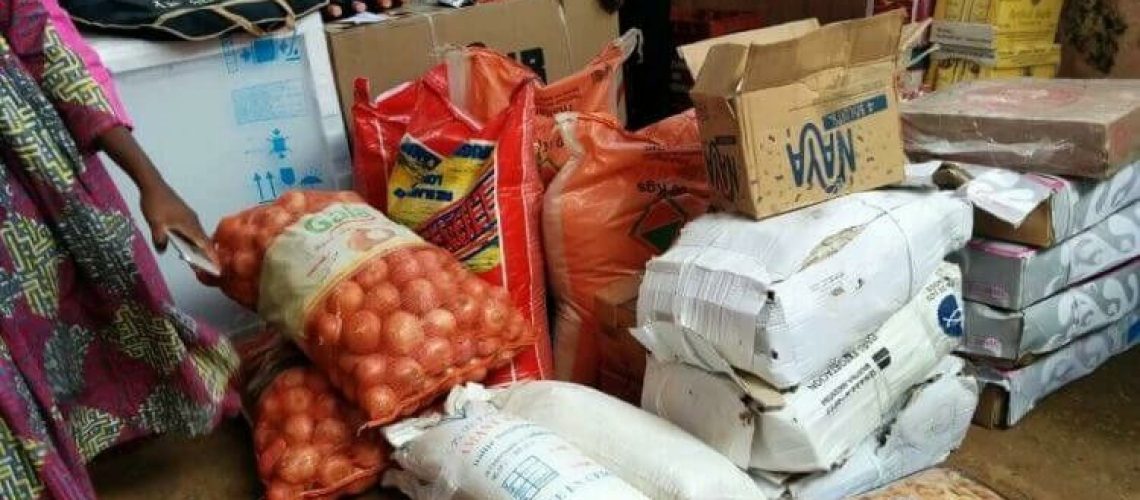
Across Lagos, families are increasingly considering bulk purchases of essential food items such as rice, beans, garri, yam, vegetable oil and pasta. Instead of visiting the market every few days, they buy larger quantities at once, often from wholesalers or trusted suppliers.
This approach offers more than convenience. When planned properly, bulk food shopping can help households control spending, reduce unnecessary market trips and maintain a steady supply of food at home. For families trying to balance school fees, rent, electricity bills and other expenses, these benefits can make a real difference.
But why is bulk buying becoming such an attractive option, and how can Lagos households make it work without wasting money or food?
1. Bulk Buying Can Reduce the Cost of Everyday Food
One of the biggest reasons families buy foodstuff in bulk is the opportunity to pay less per unit. Wholesalers often offer better prices for larger quantities than retailers selling smaller portions.
For example, a family that regularly buys rice in small measures may discover that purchasing a full bag from a reliable wholesaler offers better value. The same principle can apply to beans, garri, semovita, pasta and other non-perishable staples.
However, a lower unit price does not automatically guarantee savings. Families must compare the total cost, the quantity received and the quality of the food before making a purchase.
It is also important to account for transportation and storage expenses. A seemingly affordable bag of rice may become less economical if the family pays excessive delivery fees or loses some of the food to pests.
The smartest approach is to calculate the cost per kilogram or other standard unit before deciding where to shop.
2. Families Can Protect Their Budgets Against Price Changes
Food prices can change because of transportation expenses, seasonal supply, weather conditions, production costs and other market pressures. For Lagos residents who depend on regular income, these fluctuations can make household budgeting difficult.
Buying essential food items in bulk can provide some protection against short-term price increases. When a family purchases a suitable quantity of rice, beans or garri at a favourable price, it reduces the need to buy those items again immediately.
Suppose a household identifies a reasonably priced source of beans and purchases enough for several weeks. Even if the market price rises shortly afterwards, the family already has part of its food supply secured.
This strategy works best for items the household consumes regularly and can store safely. Families should avoid spending all their available money on food simply because prices might increase. Rent, healthcare, school expenses and emergency savings remain important.
Bulk buying is about making informed purchases, not predicting every movement in the market.
3. Fewer Market Trips Mean Less Spending on Transportation
Shopping in Lagos involves more than the price displayed by a seller. Depending on where a family lives, getting to a major market may require spending money on buses, motorcycles, taxis or delivery services.
Markets such as Mile 12, Mushin and Daleko attract buyers looking for different food products and wholesale opportunities. However, travelling to these locations can be expensive and time-consuming, particularly for households living far away.
When families purchase several essential items in one trip, they can reduce the frequency of these journeys. They may also save time that would otherwise go into navigating traffic, negotiating prices and carrying heavy bags.
For working parents and caregivers, this convenience matters. A carefully planned monthly shopping trip may be more practical than making several unplanned visits throughout the month.
Families can improve the process by preparing a shopping list, checking prices beforehand and arranging delivery when it costs less than transporting the goods themselves.
4. Bulk Shopping Makes Meal Planning Easier
A well-stocked kitchen makes it easier to plan meals without constantly worrying about running out of ingredients.
When households have enough rice, beans, garri, pasta and other staples, they can organise their weekly menus around what is already available. They can also purchase fresh vegetables, meat, fish and other perishable ingredients according to their immediate needs.
For example, a family might plan rice and stew for one day, beans and plantain for another, and pap or another breakfast option for the following morning. Having the essential ingredients available reduces last-minute shopping and makes meal preparation more predictable.
Meal planning also helps families avoid buying duplicate items or purchasing ingredients they rarely use.
Rather than filling the kitchen with random food products, households can create a list based on their actual eating habits. This keeps spending focused on food that serves a purpose.
5. Shared Bulk Buying Helps Families With Smaller Budgets
Not every household can afford to purchase a full bag of rice, several litres of oil and large quantities of other staples at the same time. This is where shared bulk buying becomes useful.
Instead of shopping individually, two or more families can contribute money to purchase food items together. They then divide the goods according to the amount each household contributed.
For example, four families could agree to purchase a large quantity of rice and share it equally. They might also combine their orders for beans, garri or cooking oil to negotiate a better price.
This arrangement can make wholesale prices accessible to households that cannot afford large individual purchases. It can also reduce transportation expenses when the families coordinate collection or delivery.
However, shared buying requires trust and clear agreements. Participants should confirm prices, quantities, product quality and payment arrangements before placing an order. They should also decide how to handle delivery fees and any differences in the quantities purchased.
When everyone understands the arrangement, bulk food sharing can turn an expensive shopping exercise into a manageable household strategy.
6. Proper Storage Helps Prevent Food Waste
Buying food in bulk only makes financial sense when the food remains safe and usable.
Dry staples such as rice, beans and garri need clean, dry storage areas. Families should transfer them into suitable airtight containers where appropriate, keep them away from moisture and inspect them regularly for insects or spoilage.
It is also important to buy quantities that match available storage space. A household living in a small Lagos apartment may not have room for several large bags of foodstuff.
Perishable items require more careful planning. Fresh tomatoes, leafy vegetables, meat and fish can spoil quickly without appropriate refrigeration or preservation. Families should purchase these products in quantities they can use safely and promptly.
Before buying, households should consider how much food they consume weekly, how long the products can last and whether their storage conditions are adequate.
The objective is to reduce waste, not create a kitchen full of food that eventually becomes unusable.
7. Smart Bulk Buying Starts With a Simple Plan
Families do not need a large income to begin shopping more strategically. They need a clear understanding of their household consumption and spending patterns.
Start by reviewing food expenses over the past month. Identify the staples the family uses most frequently and estimate how much each item lasts.
Next, compare prices from retailers, market traders and wholesalers. Consider product quality, transportation and storage costs rather than choosing a supplier based on price alone.
Then set a realistic budget. Begin with one or two essential items instead of attempting to purchase every household requirement in bulk immediately.
Families can also keep a simple record of quantities purchased, total costs and how long the food lasts. Over time, this information will reveal whether bulk buying genuinely reduces expenses.
Most importantly, avoid borrowing money or neglecting urgent household responsibilities to take advantage of a bulk discount.
Conclusion
For many Lagos families, buying foodstuff in bulk offers a practical way to manage household expenses in a challenging economic environment. It can reduce the cost of frequently used staples, limit transportation expenses, simplify meal planning and provide some protection against short-term price increases.
However, the real benefits depend on careful budgeting, reliable suppliers, appropriate storage and realistic purchasing decisions.
Families that cannot afford large quantities alone can also explore shared buying arrangements with relatives, neighbours or trusted community groups. By combining their purchasing power, they may gain access to better prices without placing the entire financial burden on one household.
Ultimately, smart food shopping is not about buying the largest quantity possible. It is about purchasing the right food, at the right price, in quantities a household can afford and use.
With a little planning, Lagos families can make their food budgets work harder while keeping their kitchens stocked and their household priorities in balance.
