

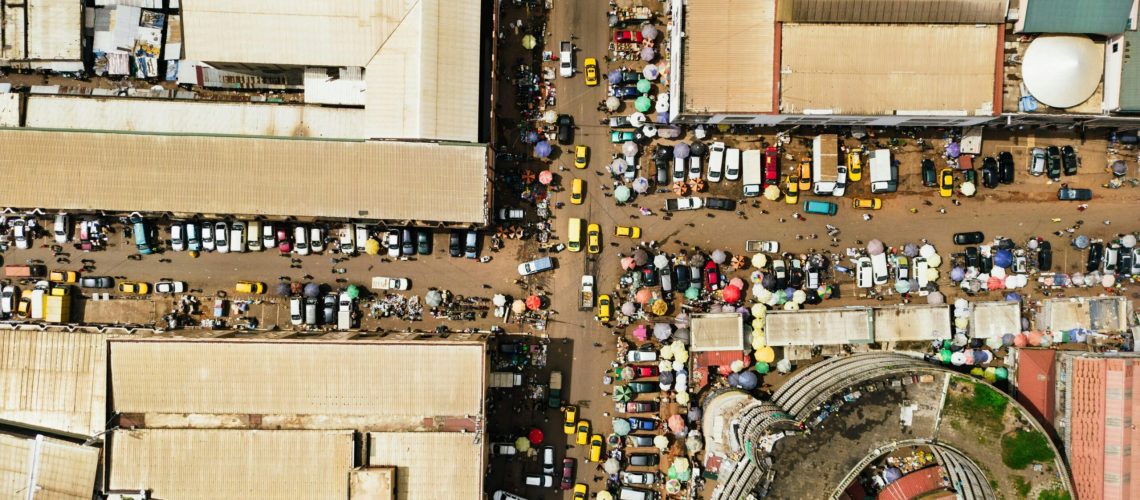
African cities are growing rapidly.
As populations increase and urban areas expand, city planners face an important question: how can cities become easier, safer, and more affordable to live in?
One answer is walkability.
A walkable neighborhood is designed so that people can comfortably reach important places such as shops, schools, workplaces, markets, parks, public transport stops, and community facilities on foot. For many African cities, improving walkability could offer significant benefits for residents, businesses, and the environment.
Reducing Dependence on Cars
Many African cities struggle with traffic congestion. As more people depend on private cars and motorcycles for short journeys, roads become increasingly crowded.
Walkable neighborhoods can reduce the need for vehicles when essential services are located close to residential areas.
Someone who can walk to a nearby market, pharmacy, school, or bus stop does not necessarily need to use a car for every trip. Over time, this can reduce pressure on busy roads and make transportation networks more efficient.
Making Daily Life More Affordable
Transportation represents a significant expense for many urban households. Frequent spending on fuel, public transport, ride-hailing services, or motorcycle taxis can add up quickly.
Walkable communities can help residents save money by making some everyday journeys possible without paid transportation.
This does not eliminate the need for public transport. Instead, walking can complement buses, trains, taxis, and other forms of mobility by helping people reach transport connections more easily.
Supporting Local Businesses
Walkability can also strengthen neighborhood economies.
People who walk through their communities are more likely to notice shops, restaurants, street vendors, salons, pharmacies, and other small businesses. Busy pedestrian areas can create more opportunities for local entrepreneurs.
A well-designed pedestrian environment can therefore benefit both residents and businesses.
Small businesses do not always need expensive commercial centers to attract customers. In some cases, convenient locations and steady pedestrian activity can be equally valuable.
Improving Access to Public Transport
Walking and public transportation work closely together.
A person may walk from home to a bus stop, take public transport across the city, and then walk from the destination stop to work or another location.
When sidewalks, crossings, lighting, and transport stops are properly designed, these connections become easier and safer.
This is particularly important for African cities where large numbers of residents already rely on public transportation.
Creating Safer Streets
Walkability is not simply about putting sidewalks beside roads. Good pedestrian design can improve safety.
Clearly marked crossings, adequate lighting, traffic-calming measures, accessible sidewalks, and appropriate separation between pedestrians and vehicles can reduce risks.
Busy pedestrian areas can also create a stronger sense of community presence. When more people use streets regularly, neighborhoods can feel more active and connected.
However, safety planning must consider the needs of women, children, older adults, and people with disabilities.
Encouraging Healthier Lifestyles
Walking is a simple form of physical activity that can become part of everyday life.
When neighborhoods make walking convenient, residents can naturally incorporate more movement into their routines. Walking to a local shop or transport stop may not feel like formal exercise, but it can contribute to a more active lifestyle.
For rapidly urbanizing populations, designing communities that encourage everyday physical activity can support long-term quality of life.
Managing Urban Growth
African cities are expanding both upward and outward. Poorly planned expansion can create neighborhoods where homes are far from jobs, schools, markets, and services.
This separation increases travel times and transportation costs.
Walkable urban planning encourages a closer relationship between housing, employment, commerce, public facilities, and transportation. Instead of creating isolated residential areas, cities can develop communities where essential destinations are easier to reach.
Walkability Must Reflect African Realities
There is no single model for a walkable African city.
Different cities have different climates, street patterns, population densities, transportation systems, and economic conditions.
In some places, improving walkability may require better sidewalks. In others, the priority may be drainage, street lighting, safer road crossings, shaded walkways, or better connections between markets and public transportation.
Climate also matters. In hot and humid environments, trees, shade, water access, and comfortable pedestrian spaces can make walking much more practical.
Informal Commerce Should Be Considered
Street vendors and informal traders are an important part of many African urban economies. However, poorly managed pedestrian and trading spaces can create conflicts between pedestrians, vehicles, and businesses.
Instead of simply removing informal activity, city authorities can consider better ways to organize commercial spaces.
Designated trading areas, pedestrian-friendly markets, loading zones, and clear walking routes can help cities support livelihoods while maintaining accessible streets.
The Role of Technology
Technology can support walkable neighborhoods as well. Digital maps, transport applications, navigation tools, and smart-city systems can help residents understand walking routes and public transportation connections.
Cities can also use data to identify areas where pedestrians face challenges, such as dangerous crossings, missing sidewalks, or poorly connected streets.
Technology, however, should support good physical planning rather than replace it.
Building More Connected Communities
Walkable neighborhoods can encourage more interaction among residents. When people share streets, markets, parks, transport stops, and public spaces, they have more opportunities to interact with their communities.
This can strengthen neighborhood identity and create spaces where people do more than simply travel from one destination to another.
Conclusion
Walkability matters because cities are ultimately built for people, not just vehicles. For African cities experiencing rapid population growth, better pedestrian environments can reduce transportation costs, support local businesses, improve access to public transport, encourage healthier lifestyles, and create more connected communities.
The goal is not to eliminate cars or prevent people from using other forms of transportation. Instead, it is to create neighborhoods where residents have choices.
A city becomes more livable when a person can safely walk to the places they need, connect easily to public transport, and participate comfortably in their community. For Africa’s growing urban centers, making that possible could be one of the most practical steps toward building better cities.
