

Work-Life Balance in Africa’s Growing Cities: Challenges, Trends & Practical Solutions
Across Africa, cities such as Lagos, Nairobi, Johannesburg, Accra, Kigali, and Cairo are expanding rapidly. New businesses, technology hubs, infrastructure projects, and creative industries are creating opportunities that were difficult to imagine a generation ago. At the same time, many urban residents are discovering that economic growth comes with a cost: longer commutes, rising living expenses, digital overload, and increasing pressure to stay productive.
As African cities become more competitive, the conversation around work-life balance is no longer a luxury. It is becoming a practical necessity for health, family stability, and long-term career success.
Why the Balance Is Becoming Harder
Several trends are making balance more difficult for urban professionals.
1. Longer Commutes
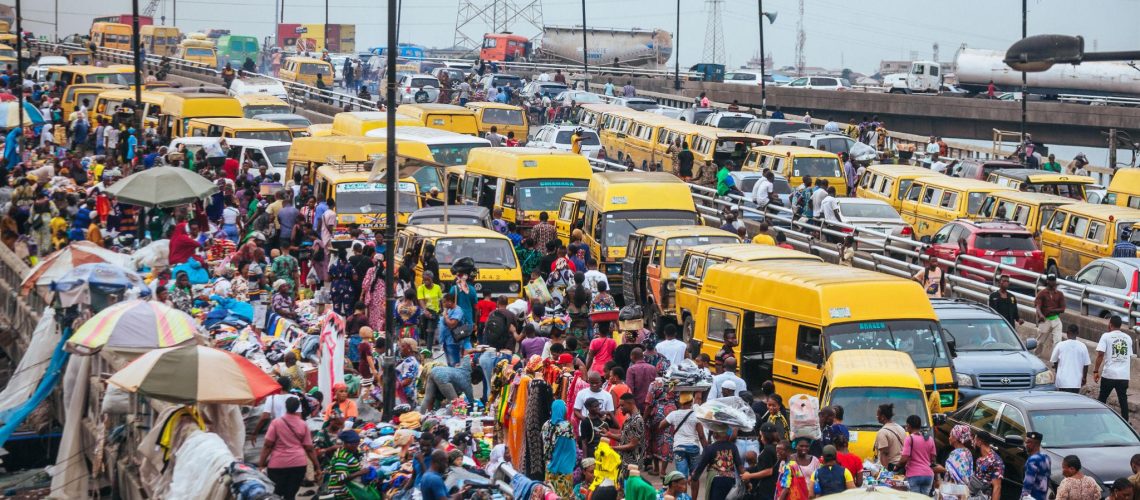
Many major African cities are experiencing rapid population growth. Roads, public transport systems, and housing development often struggle to keep pace. Workers may spend several hours each day traveling between home and the office, reducing time available for rest, family, and personal development.
2. The Rise of the Always-On Economy
Smartphones, messaging apps, and remote collaboration tools have made work more flexible, but they have also blurred the boundary between office hours and personal time. Employees can receive work requests late at night, during weekends, or while on holiday.
3. Economic Pressure
In many growing cities, housing, transportation, and education costs continue to rise. As a result, professionals often take on additional jobs, side businesses, or freelance work to supplement their income. The extra earnings can be helpful, but the additional workload can also lead to exhaustion.
4. Cultural Expectations
In some workplaces, long hours are still seen as a sign of commitment and ambition. Employees may feel pressured to remain available even when productivity would improve with adequate rest.
The Hidden Cost of Overwork
When work consistently dominates life, the consequences can be significant.
Health
Chronic stress, poor sleep, high blood pressure, and burnout become more common when people rarely disconnect from work.
Relationships
Families and friendships can suffer when work consumes evenings and weekends.
Creativity and Performance
Exhausted employees are often less creative, less focused, and more likely to make mistakes.
Long-Term Earnings
Sustainable productivity usually outperforms short bursts of extreme work. People who maintain their health and skills often remain effective for longer periods.
What Balanced Urban Professionals Are Doing
Work-life balance does not mean avoiding ambition. Instead, it means building systems that allow achievement without constant exhaustion.
Setting Clear Work Boundaries
Many professionals now define specific hours for checking email and responding to work messages. Turning off non-essential notifications after work can create mental separation between professional and personal life.
Using Flexible Work Arrangements Wisely
Remote and hybrid work can reduce commuting time. However, the key is to replace saved commuting hours with rest, exercise, family time, or learning, not simply more work.
Prioritizing Health
Urban lifestyles can become sedentary. Walking, home workouts, sports, and regular medical checkups are increasingly important. Even short daily exercise sessions can improve energy and stress management.
Protecting Personal Time
Successful professionals often schedule personal activities with the same seriousness as business meetings. Family dinners, religious commitments, hobbies, and social events become protected time rather than optional extras.
Managing Side Hustles Carefully
Side businesses are common across Africa’s cities. The challenge is preventing them from consuming every free hour. Setting limits on the number of projects and working hours can help maintain sustainability.
The Role of Employers
Companies also have a responsibility. Organizations that support employee well-being often benefit from higher retention, stronger performance, and better morale.
Useful practices include:
-
Reasonable workload expectations.
-
Flexible scheduling where possible.
-
Encouraging employees to take leave.
-
Mental health support and wellness programs.
-
Measuring productivity by results rather than visible overtime.
As competition for skilled talent increases, workplace culture is becoming a strategic advantage.
The Future of Balance in African Cities
African urbanization will continue. Millions of people are moving to cities in search of opportunity, and businesses are becoming more connected to global markets. This transformation is likely to create even more demanding work environments.
However, there are reasons for optimism. Younger professionals are increasingly vocal about mental health, flexibility, and quality of life. Employers are experimenting with hybrid work models, and governments are investing in transportation and digital infrastructure that may reduce some urban pressures over time.
The most successful cities may not simply be the ones with the tallest buildings or fastest economic growth. They may be the ones that enable residents to build careers while still having time for family, health, community, and personal fulfillment.
A practical definition of balance
Work-life balance in Africa’s growing cities is not about working less; it is about working intentionally. In environments where opportunities and demands are expanding simultaneously, the ability to protect time, energy, and relationships is becoming one of the most valuable skills an urban professional can develop.
