

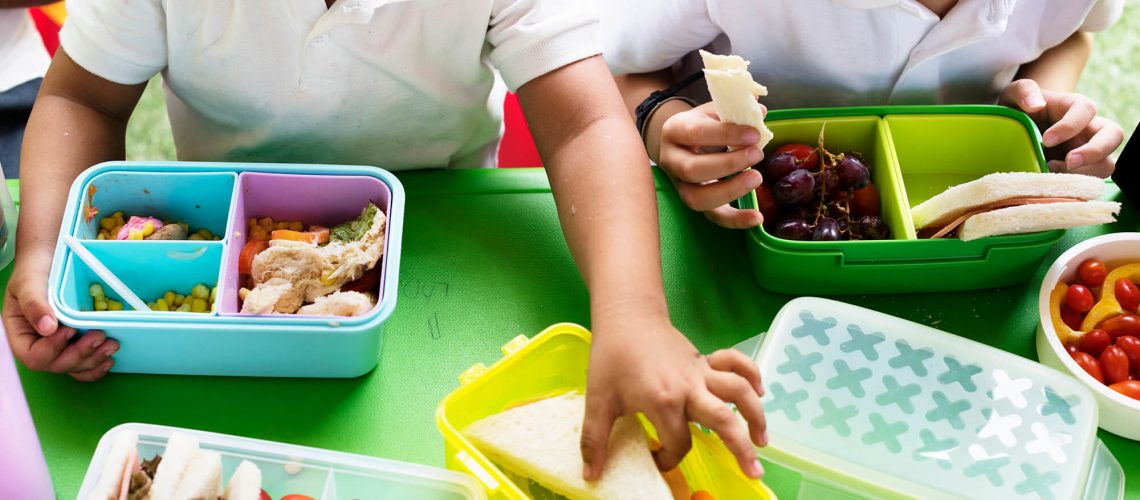
For many students, managing food expenses can be challenging.
Rising food prices, busy schedules, and limited budgets can make it difficult to maintain regular and balanced meals. One practical solution is food sharing, where students cooperate to buy, prepare, or distribute food within their communities.
When properly organized, food-sharing models can reduce costs, limit food waste, and strengthen relationships among students.
1. Group Bulk Purchasing
Students can combine their money to buy food in larger quantities. Buying rice, beans, pasta, cooking oil, vegetables, and other essentials in bulk can reduce the cost per person.
A small group can create a weekly or monthly contribution system. One person can coordinate purchases while members share the items according to their contributions.
This model works particularly well among roommates, course mates, or students living in the same neighborhood.
2. Shared Cooking Groups
Instead of everyone preparing meals separately, students can form small cooking groups. Each member contributes ingredients, money, or cooking time.
For example, one student may provide rice while another contributes vegetables and another handles cooking. The finished meal can then be divided among participating members.
Shared cooking can save time and reduce the cost of cooking separate meals every day.
3. Meal-Swap Programs
A meal-swap model allows students to prepare different meals and exchange portions with one another.
One student might prepare jollof rice while another prepares beans or pasta. Instead of eating the same meal repeatedly, participants exchange portions.
This approach creates variety while reducing the amount of food each person needs to prepare.
4. Surplus Food Sharing
Students sometimes have leftover food after events, group meetings, celebrations, or personal cooking. Rather than allowing safe surplus food to go to waste, it can be shared with other students.
Universities and student organizations can create designated food-sharing points where suitable surplus food can be collected and distributed.
Food safety should remain a priority. Only food that has been stored and handled safely should be shared.
5. Community Food Contributions
A student residence or hostel can establish a shared food fund. Members contribute a small amount regularly, which can be used to purchase basic food supplies.
The group can agree on what to buy and how the food will be distributed. Clear records and agreed rules can prevent misunderstandings.
This model can be especially useful during financially difficult periods.
6. Campus Food Pantries
Universities and student organizations can establish food pantries where students can access donated or purchased food items.
Students, staff, alumni, businesses, and community organizations can contribute supplies. The pantry can distribute essential items discreetly to students who need them.
A well-managed pantry can provide additional support without creating unnecessary stigma.
7. Digital Food-Sharing Groups
Technology can make food sharing easier to coordinate. Students can create WhatsApp, Telegram, or other messaging groups where they share information about available food, bulk purchases, cooking plans, or donations.
For example, someone with extra vegetables could notify the group before they spoil. Another student who needs them could arrange collection.
Digital coordination can make food sharing faster and more organized.
8. Shared Food Gardens
Where space permits, student communities can establish small gardens. Vegetables, herbs, peppers, and other suitable crops can be grown collectively.
Students can contribute seeds, tools, labour, or money. Harvests can then be divided among participants or used for shared meals.
Besides providing food, community gardens can teach students practical skills and encourage cooperation.
Building a Successful Food-Sharing Model
For food sharing to work effectively, participants need clear rules. Everyone should understand how contributions are calculated, how food is distributed, and who is responsible for purchasing or managing supplies.
Transparency is equally important. If money is collected, records should be available to participants. If food is shared according to contributions, the system should be agreed upon beforehand.
Food safety must also remain central. Perishable foods should be stored properly, and participants should avoid sharing food that may have spoiled.
The Benefits Go Beyond Saving Money
Food-sharing models can do more than reduce students’ food expenses. They can encourage stronger friendships, reduce food waste, and create a sense of community.
Students can also learn valuable skills such as budgeting, meal planning, cooperation, purchasing, and resource management.
With the right structure, food sharing can become a practical part of student life rather than simply an emergency solution.
Conclusion
Food-sharing models can help student communities make limited resources go further. From bulk purchasing and shared cooking to campus food pantries and digital sharing groups, there are several ways students can cooperate around food.
The most successful models are usually simple, transparent, affordable, and easy to manage. When students work together, they can reduce costs, waste less food, and build stronger communities at the same time.
