

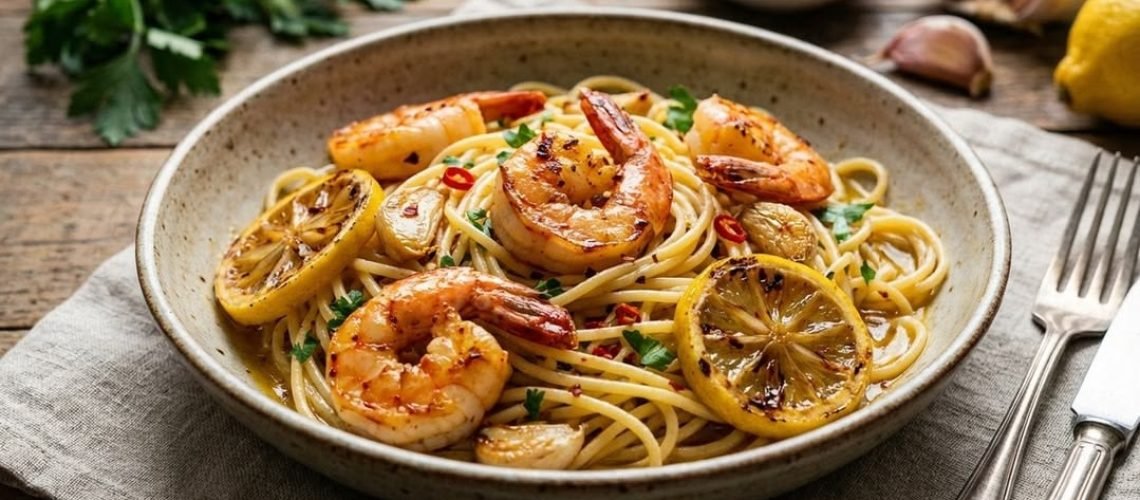
Preparing dinner after a long day can feel like another full-time job.
Between work, school runs, traffic, shopping and household responsibilities, many people arrive home with little energy to plan and cook a proper meal. The result is often expensive takeaway food, repeated meals or last-minute cooking that takes longer than expected.
The easiest way to save time on weekday dinners is to move some of the work away from the busiest hours. Plan a few meals in advance, prepare ingredients in batches, keep essential foods available and choose recipes that use overlapping ingredients. You do not need to cook every meal on Sunday or spend your entire weekend in the kitchen. A realistic routine can make dinner easier without turning food preparation into another stressful chore.
A Simple Weeknight Dinner Plan
| Day | Dinner idea | Time-saving approach |
|---|---|---|
| Monday | Rice and vegetable sauce with fish | Prepare the sauce or chop vegetables ahead |
| Tuesday | Beans and ripe plantain | Cook beans in advance and refrigerate or freeze portions |
| Wednesday | Spaghetti with tomato and vegetable sauce | Use pre-chopped vegetables and a prepared sauce base |
| Thursday | Yam porridge | Peel and portion yam ahead, then refrigerate briefly or freeze appropriately |
| Friday | Stir-fried rice with chicken or eggs | Use safely stored leftover rice and cooked protein |
| Saturday | Soup and swallow | Cook a larger batch of soup for more than one meal |
| Sunday | A flexible family meal | Use available ingredients and prepare components for the week |
Adjust the meals to your family’s preferences, dietary needs, budget and available cooking equipment. The objective is not to follow a rigid menu. It is to reduce the number of decisions you have to make when you are already tired.
1. Plan Five Dinners Before the Week Begins
You do not need a complicated meal planner. Start by choosing five dinners for the working week and leave one or two days flexible for leftovers, social plans or unexpected changes.
Think about the ingredients you already have before making a shopping list. If there is rice in the cupboard, for example, you might plan vegetable rice, rice and stew, or a quick fried-rice meal. If you have beans, you can prepare a pot that serves more than one meal.
A useful plan should consider three things:
- Time: How long will preparation and cooking take?
- Ingredients: Do you already have the main items?
- Energy: Will the meal be realistic to prepare after work?
Avoid scheduling several labour-intensive meals on consecutive evenings. A dinner involving fresh soup, multiple side dishes and elaborate preparation may be enjoyable at the weekend but difficult to manage after a long day.
You can also create a short list of emergency meals. Eggs and toast, noodles with vegetables and protein, quick vegetable rice or a simple beans dish can help when your original plan falls through.
2. Shop With a Meal List, Not Just a Grocery List
Shopping becomes faster and more economical when you know what each ingredient is meant to do.
Write down the meals first, then list the ingredients required. Check your pantry, refrigerator and freezer before buying anything. This prevents you from purchasing another bottle of oil, seasoning or packet of rice when you already have enough.
Group your list into categories:
- Vegetables and fruit.
- Protein such as eggs, fish, chicken and beans.
- Staples such as rice, yam, pasta and garri.
- Seasonings and cooking ingredients.
- Dairy or other refrigerated products.
- Household supplies, if you are buying them at the same time.
Look for ingredients that can work across several meals. Tomatoes, onions, peppers, carrots and leafy vegetables can support different sauces, rice dishes and soups. Buying them with a plan reduces the likelihood of forgotten produce spoiling in the refrigerator.
If your schedule is particularly busy, consider ordering groceries for delivery or using a trusted shopping and errand service. Compare the delivery charge with the time and transport costs involved in shopping yourself. A delivery option only saves money when its total cost makes sense for your household.
3. Prepare Ingredients in Batches
Batch preparation is one of the most useful ways to reduce weekday cooking time. Instead of washing, peeling and chopping vegetables every evening, prepare suitable ingredients together during a quieter period.
For example, you can:
- Wash and dry vegetables that will be used within a short period.
- Peel and chop onions for recipes that require them.
- Prepare a tomato and pepper base.
- Portion chicken or fish for separate meals.
- Measure dry ingredients.
- Divide beans or grains into cooking portions.
Store each ingredient in a clean, suitable container and refrigerate or freeze it according to its storage needs. Do not leave prepared food sitting at room temperature for extended periods.
Some vegetables lose texture when chopped too early. Leafy vegetables, for example, may deteriorate faster after cutting. Prepare delicate ingredients closer to the time you need them, or buy quantities that you can use promptly.
Batch preparation should make cooking easier, not create a second large kitchen project. Start with two or three ingredients that take the most time in your usual meals.
4. Cook a Few Ingredients That Can Serve Different Meals
You can save time by preparing versatile components rather than complete meals for every day.
A pot of tomato and pepper sauce, for instance, can accompany rice, spaghetti or boiled yam. Cooked beans can become a simple beans meal one evening and a component in another dish later. A batch of vegetable soup can provide several servings without repeating the same dinner every night if you vary the accompanying food.
Think in terms of building blocks:
A sauce base: Tomatoes, peppers, onions and suitable seasoning can support several dishes.
A protein option: Cooked chicken, fish or beans can be portioned for different meals, provided you store and reheat them safely.
A staple: Rice, pasta, yam or another household favourite can be prepared when needed or cooked in a quantity that suits your storage facilities.
A vegetable component: Washed and appropriately stored vegetables can be added quickly to eggs, noodles, rice or sauces.
Keep portions separate so you can take only what you need. This also reduces unnecessary reheating and helps you use ingredients in a controlled way.
5. Choose One-Pot Meals on Busy Evenings
One-pot cooking reduces the number of pans, preparation stages and washing-up tasks. It can be particularly helpful on evenings when you want a satisfying meal without managing several dishes at once.
Nigerian meals that can work well include yam porridge, jollof rice, vegetable rice, beans porridge and some pasta dishes. You can add vegetables and a suitable protein source to make the meal more complete.
The key is to prepare ingredients in the correct order. Harder vegetables and ingredients that need longer cooking should go in before delicate leafy vegetables. Add ingredients according to their cooking requirements rather than putting everything into the pot at once.
Use a pot large enough to hold the ingredients without overcrowding. Follow appropriate cooking times and make sure meat, poultry and fish are cooked thoroughly.
One-pot meals also reduce washing-up, but do not neglect food hygiene. Wash utensils between raw and cooked ingredients and clean spills as you work.
6. Use Your Freezer as a Meal-Planning Tool
A freezer can help you avoid cooking from scratch every evening, particularly when you have limited time or unpredictable work hours.
You can freeze suitable portions of cooked stews, soups, beans, cooked meats and other meals. Divide food into meal-sized containers so you do not need to thaw an entire pot when you only need one serving.
Label each container with the food name and date. This makes it easier to identify older portions and use them first.
Allow hot food to cool appropriately before freezing, but do not leave perishable meals at room temperature for hours. Divide large quantities into shallow containers to help them cool more quickly, then refrigerate or freeze promptly.
Thaw food safely in the refrigerator, in cold water using a suitable method, or in the microwave when you intend to cook or reheat it immediately. Avoid leaving frozen meals on the kitchen counter for long periods.
Reheat food thoroughly and avoid repeatedly cooling and reheating the same portion. If your home experiences frequent power interruptions, monitor the freezer’s condition and do not assume that food is safe simply because it still looks normal.
7. Make Your Weeknight Menu Work With Nigerian Staples
Saving time does not mean abandoning familiar meals or buying expensive convenience foods. Many Nigerian staples can fit into a quick dinner routine when you prepare intelligently.
Rice: Prepare a suitable sauce base in advance. On a busy evening, cook the rice and finish the meal with the sauce and a protein option.
Beans: Cook a larger quantity when you have time, divide it into portions and store it safely. Reheat only what you need.
Yam: Peel and cut manageable quantities ahead when appropriate, then store them safely. Alternatively, cook enough for a meal and use the remaining cooked yam promptly in another dish.
Pasta: Keep a few simple sauce ingredients available. Spaghetti with vegetables, eggs, fish or chicken can be prepared without a long list of ingredients.
Soup: A pot of soup can provide more than one dinner. Vary the swallow or other accompaniment to make the next meal feel different.
Eggs: Eggs are useful for quick meals, but store them properly and cook them safely. They can accompany vegetables, rice, bread or potatoes.
Use seasonal produce where it suits your household and budget. Local markets can offer good options, but compare quality and quantity rather than assuming every bulk purchase is a bargain.
8. Assign Simple Kitchen Tasks to Other Household Members
Dinner preparation becomes easier when one person does not carry every responsibility.
If you live with family or housemates, share tasks according to people’s abilities and schedules. One person can wash vegetables, another can set the table, while someone else handles cooking or washing up.
Children can help with age-appropriate tasks under supervision, such as arranging ingredients, washing selected produce or setting the table. Keep knives, hot surfaces and raw meat handling with people who can manage them safely.
If you live alone, reduce the number of tasks by using prepared ingredients sensibly and cleaning as you cook. Even putting away ingredients immediately after use can make the kitchen easier to manage.
9. Keep a Short List of Reliable 20-Minute Meals
A small collection of meals you already know how to prepare can remove decision fatigue. Choose recipes that use familiar ingredients and do not require special equipment.
Examples include:
- Scrambled eggs with vegetables and bread.
- Spaghetti with a quick tomato and vegetable sauce.
- Vegetable fried rice with cooked chicken or eggs.
- Beans served with ripe plantain.
- Noodles with vegetables and a suitable protein.
- Toasted sandwiches with eggs or leftover cooked chicken.
- Quick yam porridge using pre-prepared ingredients.
Actual cooking times depend on quantities, equipment and preparation. Do not rush food-safety steps to meet a time target. A meal that takes five minutes longer is preferable to one that is undercooked or improperly handled.
10. Reduce the Work That Happens After Dinner
A quick dinner loses some of its benefit if it leaves the kitchen in a mess. Build a few small habits into the cooking process.
Wash or soak suitable utensils while food cooks. Return ingredients to their storage areas, wipe work surfaces and dispose of food waste. Store leftovers promptly in clean, covered containers and refrigerate or freeze them appropriately.
If you have a dishwasher, load it as you go. If you wash by hand, keep the sink organised and avoid allowing dirty dishes to pile up overnight.
You can also prepare the next day’s lunch while putting dinner away. Portion suitable leftovers, add them to a clean container and refrigerate promptly. This saves another round of food preparation the following morning.
Make Dinner Easier Without Making Life More Complicated
The best weekday dinner routine is one you can maintain. Start by planning five meals, checking what you already have and preparing a few ingredients before the week becomes busy. Use versatile sauces, one-pot meals and suitable freezer portions to reduce the amount of work required each evening.
You do not need a perfect meal plan or an expensive kitchen to make this work. A little preparation, sensible shopping and safe food storage can help you spend less time worrying about dinner and more time enjoying the evening.
Frequently Asked Questions
1. How can I prepare dinner faster after work?
Plan meals in advance, keep essential ingredients available, prepare suitable vegetables and sauces ahead of time, and choose simple dishes that use one pot. A shortlist of reliable quick meals also reduces the time spent deciding what to cook.
2. What Nigerian meals are easy to prepare on weekdays?
Rice with sauce, spaghetti with vegetables, yam porridge, beans, vegetable fried rice and egg-based meals can all work for busy evenings. Preparation time depends on the ingredients, quantities and equipment available.
3. Can I cook food for the whole week in advance?
You can prepare and store suitable meals or components in batches, but not every dish should remain refrigerated for the entire week. Freeze portions that will not be used within a safe refrigerated storage period, label them and thaw them safely when needed.
4. How do I save money while preparing quick dinners?
Plan meals around ingredients you already have, buy only what your menu requires, use versatile ingredients across different dishes and store food properly to reduce waste. Compare the full cost of takeaway meals with the cost of preparing food at home.
5. Is it safe to freeze cooked Nigerian soups and stews?
Many soups and stews can be frozen safely when handled properly. Divide them into suitable portions, cool them promptly, use clean freezer-safe containers, label the date and thaw and reheat them safely. Ingredients and texture may change after freezing, so test how your preferred recipes hold up.
