

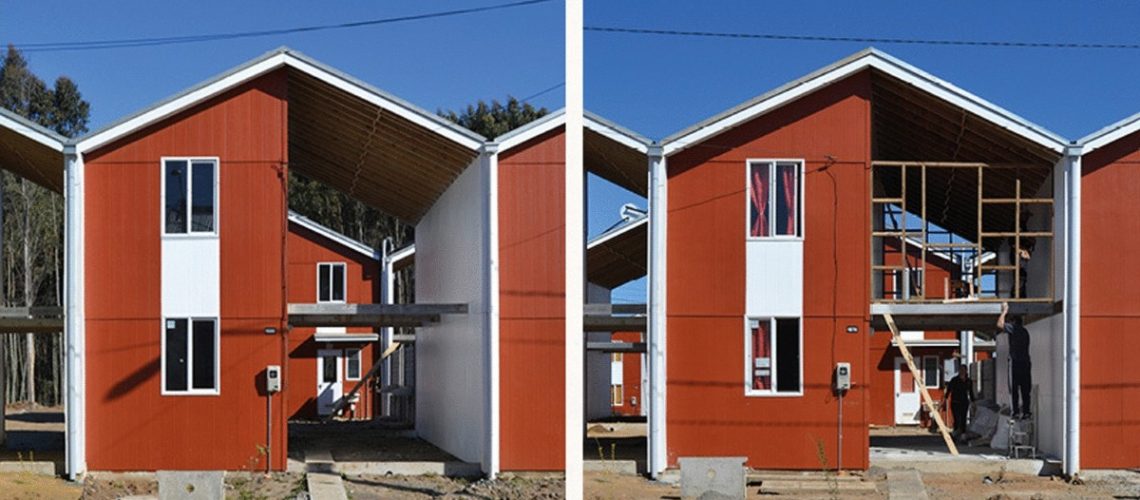
Rapid urbanization is reshaping Africa at an unprecedented pace.
Every year, millions of people move to cities in search of better jobs, education, and improved living standards. While urban growth creates economic opportunities, it also increases the demand for affordable housing. Unfortunately, housing supply has not kept up with demand, leading to overcrowding, informal settlements, and rising property prices.
Across the continent, however, governments, private developers, entrepreneurs, and communities are introducing innovative housing solutions that aim to make quality homes more accessible. From eco-friendly building materials to digital financing platforms, African cities are embracing new approaches that could redefine urban living for millions.
Why Affordable Housing Matters
Affordable housing is more than providing shelter. It contributes to healthier communities, economic growth, and social stability. Families with access to safe, affordable homes often enjoy better educational outcomes, improved health, and greater financial security.
Moreover, adequate housing supports urban development by reducing the spread of informal settlements and encouraging planned infrastructure such as roads, schools, hospitals, and public transport.
The Housing Challenge Across African Cities
Many African cities face similar housing problems despite their unique economic and cultural differences.
Some of the major challenges include:
- Rapid population growth
- High construction costs
- Limited access to mortgage financing
- Expensive urban land
- Inadequate infrastructure
- Rising prices of building materials
- Lengthy land registration processes
Consequently, millions of urban residents struggle to find decent housing within their budgets.
Innovative Construction Materials
One of the biggest innovations involves using locally available and environmentally friendly building materials.
Compressed Earth Blocks
Compressed earth blocks use locally sourced soil mixed with stabilizers to create durable construction blocks. They reduce transportation costs while lowering the overall cost of building homes.
These blocks also provide excellent insulation, making homes cooler in hot climates.
Interlocking Bricks
Interlocking bricks require less cement and simplify construction because they fit together without excessive mortar.
As a result, builders complete projects faster while reducing labor expenses.
Recycled Plastic Bricks
Several African startups now convert plastic waste into durable construction bricks and paving materials.
This innovation tackles two major urban challenges simultaneously:
- Plastic pollution
- Housing affordability
Additionally, recycled materials help lower environmental impact.
Modular Housing Solutions
Modular housing is gaining popularity in several African cities.
Instead of constructing every component on-site, manufacturers produce housing sections in factories before transporting and assembling them at the construction location.
This method offers several advantages:
- Faster completion times
- Lower labor costs
- Better quality control
- Reduced material waste
- Scalable production
Consequently, modular housing has become attractive for governments seeking to reduce housing shortages quickly.
3D Printing Technology
Although still emerging across Africa, 3D-printed housing has shown remarkable potential.
Large-scale printers can build house walls within days using specialized concrete mixtures.
Potential benefits include:
- Lower construction costs
- Faster project delivery
- Reduced material waste
- Increased design flexibility
As technology becomes more affordable, more African cities may adopt 3D printing for affordable housing projects.
Green and Sustainable Housing
Sustainability has become an essential part of modern housing innovation.
Many affordable housing developments now incorporate environmentally friendly features such as:
- Solar power systems
- Rainwater harvesting
- Energy-efficient lighting
- Natural ventilation
- Water-saving plumbing fixtures
These additions reduce monthly utility expenses, making housing more affordable over the long term.
Digital Property Technology
Technology is simplifying the housing market across Africa.
Property technology (PropTech) platforms help buyers, renters, and developers connect more efficiently.
Digital innovations include:
- Online property listings
- Virtual house tours
- Digital rental payments
- Electronic documentation
- Property management software
Furthermore, digital verification systems reduce fraud in real estate transactions.
Flexible Housing Finance
Traditional mortgages remain inaccessible for many African households due to strict lending requirements.
To address this gap, financial institutions and fintech companies are introducing innovative financing options.
Rent-to-Own Programs
These programs allow tenants to gradually purchase homes while paying monthly rent.
Instead of requiring a large upfront payment, families build ownership over time.
Micro-Mortgages
Micro-mortgages target low- and middle-income earners who cannot qualify for conventional home loans.
Loan sizes match income levels, making repayments more manageable.
Cooperative Housing Savings
Housing cooperatives allow members to pool savings and collectively finance home construction.
This community-based model has helped many families become homeowners while sharing financial risks.
Public-Private Partnerships
Governments increasingly collaborate with private developers to deliver affordable housing projects.
These partnerships combine:
- Public land
- Private investment
- Infrastructure development
- Policy support
As a result, housing developments can reach larger populations while maintaining lower prices.
Several African countries now include affordable housing targets within national urban development plans.
Smart Urban Planning
Affordable housing works best when integrated into broader city planning.
Modern housing developments increasingly include:
- Public transportation access
- Schools
- Healthcare facilities
- Markets
- Green spaces
- Recreational areas
This integrated approach creates communities rather than isolated housing estates.
Community-Led Housing Projects
Local communities also play a vital role in addressing housing shortages.
Community-driven projects often involve residents participating in planning, financing, and even construction.
Benefits include:
- Lower construction costs
- Greater community ownership
- Better maintenance
- Stronger neighborhood relationships
Additionally, local participation ensures housing reflects the actual needs of residents.
Affordable Housing Through Urban Renewal
Instead of expanding cities indefinitely, some municipalities focus on redeveloping underutilized urban areas.
Urban renewal projects may involve:
- Renovating abandoned buildings
- Upgrading informal settlements
- Improving public infrastructure
- Increasing residential density
This approach maximizes existing land while reducing pressure on city outskirts.
The Role of Startups
African startups are bringing fresh ideas into the housing sector.
Many focus on solving specific challenges such as:
- Digital land registration
- Construction project management
- Building material marketplaces
- Housing finance technology
- Smart home solutions
By leveraging technology, these companies improve efficiency while reducing overall housing costs.
Challenges That Still Remain
Despite impressive innovations, several obstacles continue to slow affordable housing development.
These include:
- Limited financing for developers
- Inflation affecting construction costs
- Bureaucratic approval processes
- Weak infrastructure
- Land ownership disputes
- Skills shortages in construction
Addressing these issues requires continued collaboration between governments, investors, financial institutions, and local communities.
The Future of Affordable Housing in Africa
The future looks increasingly promising. Advances in technology, sustainable construction, digital finance, and urban planning are creating new opportunities to close Africa’s housing gap.
As innovation continues, affordable housing is likely to become more accessible, environmentally sustainable, and better suited to the needs of rapidly growing urban populations.
Success will depend on continued investment, supportive government policies, and partnerships that prioritize long-term affordability rather than short-term profits.
Conclusion
Affordable housing remains one of Africa’s greatest urban challenges, but it is also one of its greatest opportunities. Innovative building materials, modular construction, green technologies, digital platforms, flexible financing, and community-driven initiatives are changing how cities approach housing development.
While no single solution can eliminate the housing deficit, combining these innovations offers a practical path toward creating inclusive, resilient, and livable African cities. As governments, businesses, and communities continue working together, millions more Africans could gain access to safe, affordable homes that improve both quality of life and economic opportunity.
Frequently Asked Questions (FAQs)
What is affordable housing?
Affordable housing refers to homes that households can obtain without spending an excessive portion of their income on housing costs, leaving enough for other essential needs.
Why is affordable housing important in African cities?
Affordable housing helps reduce overcrowding, improves public health, supports economic growth, and promotes more sustainable urban development.
What innovations are reducing housing costs in Africa?
Innovations include modular construction, compressed earth blocks, recycled building materials, 3D printing, digital property platforms, and flexible financing models like rent-to-own schemes.
How does sustainable housing reduce long-term costs?
Features such as solar panels, energy-efficient lighting, rainwater harvesting, and natural ventilation lower utility bills and reduce maintenance expenses over time.
What role does technology play in affordable housing?
Technology improves construction efficiency, simplifies property transactions, enables digital financing, enhances project management, and increases transparency in the housing market.
