

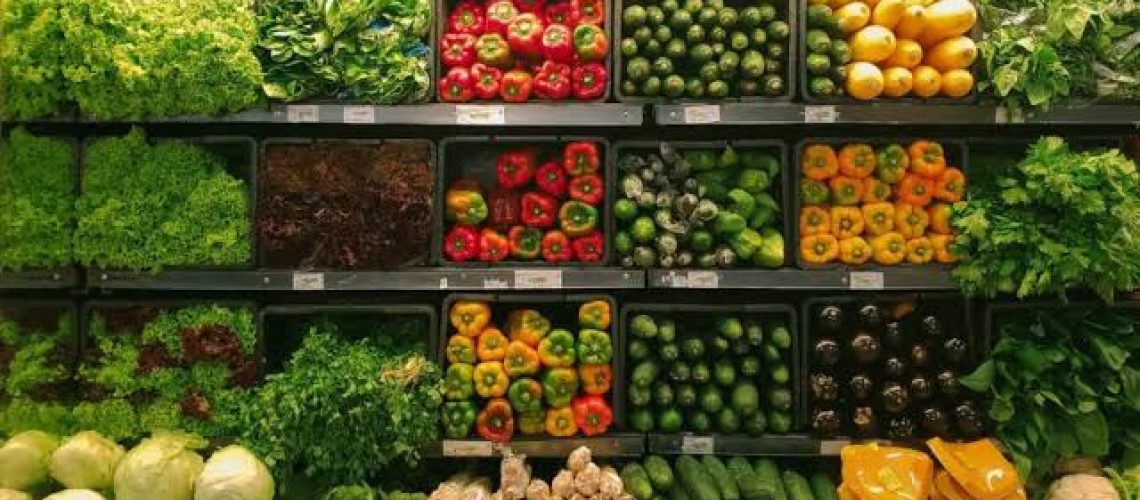
Organic food markets have experienced remarkable growth over the past decade.
As awareness of healthy living continues to increase, organic food has moved from being a niche product to becoming a growing part of everyday shopping. Farmers, entrepreneurs, retailers, and governments are also recognizing the opportunities that organic agriculture presents for economic growth and sustainable food production.
This article explores the factors driving the rise of organic food markets, the benefits they offer, the challenges they face, and what the future holds, particularly within Africa.
What Is Organic Food?
Organic food refers to agricultural products that are grown and processed using natural methods. Organic farming avoids synthetic fertilizers, chemical pesticides, genetically modified organisms (GMOs), and artificial growth hormones.
Instead, farmers rely on methods such as:
- Natural compost and organic manure
- Crop rotation
- Biological pest control
- Mixed farming
- Natural weed management
- Water conservation techniques
The goal is to produce healthier food while protecting the environment and maintaining soil fertility.
Why Organic Food Markets Are Growing
Several factors have contributed to the increasing popularity of organic food markets.
Rising Health Awareness
Consumers have become more conscious of nutrition and food quality. Many people believe organic fruits, vegetables, grains, dairy products, and meat contain fewer harmful chemicals and provide healthier alternatives to conventionally produced foods.
Although research continues to compare nutritional differences, many consumers appreciate the reduced exposure to synthetic pesticides and additives.
Growing Environmental Concerns
Climate change and environmental degradation have encouraged consumers to support farming practices that protect natural resources.
Organic farming often promotes:
- Better soil health
- Reduced water pollution
- Improved biodiversity
- Lower dependence on synthetic chemicals
As a result, environmentally conscious shoppers increasingly choose organic products.
Increased Demand for Food Transparency
Modern consumers want to know where their food comes from.
People now ask questions like:
- Who grew this food?
- How was it produced?
- Were harmful chemicals used?
- Is the production process environmentally responsible?
Organic certification and direct relationships between farmers and consumers help answer these questions.
Expansion of Farmers’ Markets
Local farmers’ markets have become important platforms for selling fresh organic produce.
These markets offer several advantages:
- Fresh seasonal foods
- Direct interaction with farmers
- Support for local agriculture
- Reduced transportation costs
- Better product traceability
Across many African cities, weekend markets now feature increasing numbers of organic vendors.
Organic Farming in Africa
Africa possesses significant potential for organic agriculture due to its vast agricultural land and growing demand for healthy foods. Many smallholder farmers already use farming methods that closely resemble organic practices because they rely less on expensive synthetic chemicals.
Countries such as:
- Uganda
- Tanzania
- Kenya
- Ethiopia
- South Africa
- Ghana
- Nigeria
have witnessed increasing investment in organic farming initiatives.
African organic products that attract both local and international markets include:
- Coffee
- Cocoa
- Shea butter
- Honey
- Sesame
- Fruits
- Vegetables
- Herbs
- Spices
These products generate valuable export income while supporting rural livelihoods.
Benefits of Organic Food Markets
Better Opportunities for Farmers
Organic products often command higher market prices. Although certification and production may require additional effort, farmers can earn improved incomes by supplying premium markets.
Additionally, direct sales through local markets reduce dependence on middlemen.
Improved Soil Health
Organic farming encourages long-term soil fertility through composting, crop rotation, and natural fertilizers. Healthy soil retains water better, supports beneficial microorganisms, and produces sustainable harvests over many years.
Environmental Protection
Reducing chemical inputs helps protect:
- Rivers
- Lakes
- Groundwater
- Wildlife
- Pollinating insects
- Forest ecosystems
Consequently, organic agriculture contributes to healthier ecosystems.
Stronger Local Economies
Organic food markets stimulate local economic development.
They create employment opportunities for:
- Farmers
- Food processors
- Transport providers
- Retailers
- Market vendors
- Certification agencies
As consumer demand grows, new businesses continue to emerge across the organic value chain.
Challenges Facing Organic Food Markets
Despite their rapid growth, organic food markets still face several obstacles.
Higher Production Costs
Organic farming often requires more manual labor and careful farm management. Natural pest control and weed management can be more time-consuming than conventional methods, increasing production costs.
Certification Expenses
Obtaining official organic certification can be expensive, particularly for small-scale farmers. Many producers struggle to meet certification requirements despite already using organic farming methods.
Limited Consumer Awareness
Some consumers remain unfamiliar with the meaning of organic labeling. Others mistakenly believe all naturally grown food is automatically certified organic. Improving public education will help consumers make informed purchasing decisions.
Higher Retail Prices
Organic products often cost more because of:
- Smaller production volumes
- Certification costs
- Specialized handling
- Lower chemical inputs
- Additional labor requirements
Price remains one of the biggest barriers for many households.
Technology Is Supporting Organic Markets
Technology is making organic food more accessible than ever.
Digital platforms now connect farmers directly with consumers through:
- Mobile apps
- Online marketplaces
- Social media
- Farm delivery services
- Subscription vegetable boxes
Farmers also use digital tools to improve farm management, monitor weather conditions, and access training on sustainable agriculture.
These innovations help reduce waste and expand market reach.
The Future of Organic Food Markets in Africa
The future looks promising.
Several trends suggest continued growth:
- Increasing urban populations seeking healthier diets
- Rising middle-class incomes
- Greater investment in sustainable agriculture
- Government support for food safety
- Expansion of e-commerce
- Growing export opportunities
As awareness spreads, more African consumers are expected to include organic foods in their regular shopping habits. At the same time, farmers will continue adopting environmentally friendly practices that improve both productivity and sustainability.
How Consumers Can Support Organic Agriculture
Consumers play an important role in strengthening organic food markets.
You can support sustainable agriculture by:
- Buying from local organic farmers.
- Visiting farmers’ markets regularly.
- Learning about food certification labels.
- Reducing food waste.
- Growing small organic gardens at home.
- Sharing information about healthy eating with friends and family.
Every purchase encourages responsible farming and supports local communities.
Conclusion
The rise of organic food markets reflects changing consumer priorities around health, sustainability, and food quality. Across Africa, growing demand for organically produced foods is creating new opportunities for farmers, entrepreneurs, and local economies. Although challenges such as certification costs, limited awareness, and higher prices remain, the long-term outlook is encouraging.
As technology improves market access and more consumers embrace healthier lifestyles, organic food markets are likely to become an increasingly important part of Africa’s agricultural future. Supporting organic farming today not only benefits individual health but also contributes to environmental protection, stronger rural livelihoods, and a more sustainable food system for generations to come.
