

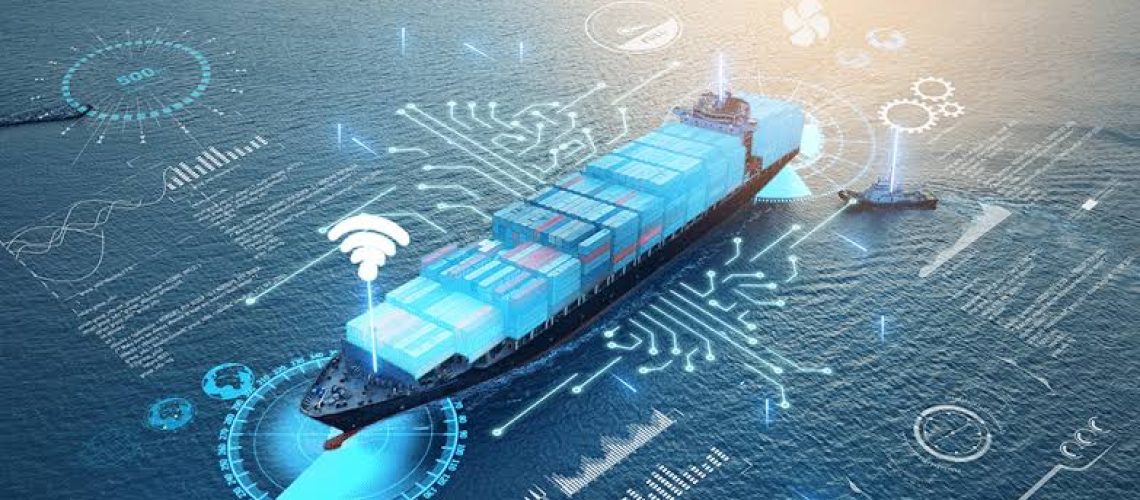
Freight movement is the backbone of trade and economic development.
Every day, millions of tons of goods travel by road, rail, sea, and air to connect businesses with customers. However, moving freight efficiently has long been challenged by traffic congestion, poor route planning, cargo theft, delayed deliveries, and high transportation costs.
Today, technology is reshaping the logistics industry. Digital innovations are helping transport companies move goods faster, safer, and more efficiently than ever before. Across Africa, where logistics often face infrastructure and connectivity challenges, technology is creating new opportunities to improve supply chains and support economic growth.
This article explores how technology is improving freight movement and why businesses should embrace digital logistics solutions.
The Evolution of Freight Transportation
Freight movement once relied heavily on paperwork, manual scheduling, phone calls, and guesswork. Drivers often traveled without real-time traffic updates, while customers had little visibility into where their shipments were.
Modern logistics has changed dramatically. Businesses now use digital systems to manage transportation, monitor vehicles, optimize routes, and communicate with customers instantly. As a result, freight movement has become more reliable and transparent.
Furthermore, digital transformation allows logistics companies to respond quickly to disruptions, reducing delays and improving customer satisfaction.
GPS Tracking Provides Real-Time Visibility
One of the biggest technological breakthroughs in freight transportation is GPS tracking.
Fleet managers can now monitor every vehicle in real time, allowing them to:
- Track shipment locations accurately
- Monitor driver behavior
- Detect route deviations
- Estimate delivery times
- Respond quickly to emergencies
Customers also benefit because they receive live updates about their deliveries instead of waiting without information. In Africa, where long-distance transportation often covers multiple regions, GPS technology improves accountability and reduces uncertainty.
Route Optimization Saves Time and Fuel
Fuel is one of the largest operating costs for transport companies. Modern logistics software analyzes traffic conditions, road quality, weather, and delivery schedules to determine the fastest and most efficient routes.
As a result, businesses can:
- Reduce fuel consumption
- Avoid traffic congestion
- Complete more deliveries each day
- Lower operating costs
- Reduce carbon emissions
Additionally, optimized routing helps delivery drivers spend less time on the road while increasing productivity.
Artificial Intelligence Improves Logistics Planning
Artificial Intelligence (AI) is transforming freight management by analyzing large amounts of transportation data.
AI systems can predict:
- Delivery delays
- Vehicle maintenance needs
- Customer demand
- Traffic patterns
- Seasonal shipping trends
Because AI learns from historical data, logistics companies make smarter decisions and reduce costly mistakes. Moreover, AI helps businesses balance workloads, allocate vehicles efficiently, and improve warehouse operations.
Digital Freight Platforms Connect Shippers and Carriers
Technology has introduced online freight marketplaces that connect businesses needing transportation with available trucking companies.
These digital platforms simplify the shipping process by allowing users to:
- Compare transport prices
- Book shipments online
- Track deliveries
- Manage documentation digitally
- Communicate directly with transport providers
Consequently, businesses spend less time searching for carriers and more time focusing on their core operations. Small businesses especially benefit because they gain easier access to reliable transportation services.
Electronic Documentation Speeds Up Operations
Traditional freight transportation often involves stacks of paperwork, including invoices, delivery notes, customs forms, and transport permits.
Digital documentation is replacing paper-based processes.
Electronic systems allow companies to:
- Store shipping records securely
- Reduce paperwork errors
- Process customs documentation faster
- Improve record management
- Accelerate delivery verification
Furthermore, electronic signatures eliminate unnecessary delays caused by physical document handling.
Internet of Things (IoT) Improves Cargo Monitoring
The Internet of Things (IoT) uses smart sensors placed inside vehicles and shipping containers.
These sensors monitor:
- Temperature
- Humidity
- Vehicle location
- Cargo movement
- Door openings
This technology is especially valuable for transporting:
- Pharmaceuticals
- Fresh food
- Agricultural products
- Chemicals
- Sensitive electronics
If conditions change unexpectedly, alerts are sent immediately, allowing quick corrective action before goods are damaged.
Warehouse Automation Supports Faster Freight Movement
Freight movement begins long before trucks leave the warehouse.
Automation technologies now improve warehouse efficiency through:
- Barcode scanning
- RFID tracking
- Automated inventory systems
- Smart storage management
- Robotic picking systems
As a result, warehouses process orders more quickly and accurately. Faster warehouse operations reduce shipping delays and improve overall supply chain performance.
Mobile Apps Enhance Driver Communication
Drivers no longer rely solely on phone calls for instructions.
Mobile logistics applications allow drivers to:
- Receive delivery assignments
- Navigate efficiently
- Upload proof of delivery
- Report vehicle issues
- Communicate instantly with dispatchers
Additionally, customers receive delivery notifications and estimated arrival times, improving trust and transparency.
Predictive Maintenance Reduces Vehicle Breakdowns
Unexpected truck breakdowns cause expensive delays.
Technology now enables predictive maintenance using vehicle sensors that monitor:
- Engine performance
- Tire pressure
- Fuel efficiency
- Brake conditions
- Battery health
When a potential problem is detected, maintenance can be scheduled before the vehicle fails. Consequently, transport companies reduce downtime and extend vehicle lifespan.
Blockchain Improves Freight Security
Security remains a major concern in freight transportation. Blockchain technology creates secure digital records that cannot easily be altered.
This improves:
- Shipment tracking
- Payment verification
- Contract management
- Supply chain transparency
- Fraud prevention
Although blockchain adoption is still growing in Africa, it has significant potential to increase trust among logistics partners.
E-Commerce Is Driving Smarter Logistics
Online shopping has dramatically increased demand for fast deliveries.
To meet customer expectations, logistics companies now use technology to:
- Automate order processing
- Optimize last-mile delivery
- Track parcels in real time
- Schedule deliveries efficiently
- Improve customer communication
As e-commerce continues to expand across Africa, technology will become even more essential for reliable freight movement.
Technology Supports Sustainable Freight Transportation
Sustainability has become an important goal for logistics companies.
Technology contributes by helping businesses:
- Reduce fuel usage
- Lower vehicle emissions
- Plan efficient delivery routes
- Minimize empty return trips
- Monitor environmental performance
Many transport companies are also adopting electric delivery vehicles and alternative fuel technologies supported by digital fleet management systems.
Challenges to Technology Adoption in Africa
Despite significant progress, several obstacles still affect technology adoption across African logistics networks.
These include:
- Limited internet connectivity in remote areas
- High implementation costs
- Inadequate digital infrastructure
- Skills shortages
- Inconsistent electricity supply
Nevertheless, investment in digital infrastructure continues to grow across many African countries. Governments, startups, and private logistics companies are increasingly working together to modernize freight transportation.
The Future of Freight Movement
The future of freight transportation will become even more technology-driven.
Emerging innovations include:
- Autonomous delivery vehicles
- Drone deliveries
- AI-powered logistics planning
- Smart highways
- Connected transportation networks
- Advanced predictive analytics
Although widespread adoption may take time, these technologies promise to make freight movement faster, safer, and more cost-effective.
Businesses that embrace innovation today will be better positioned to compete in tomorrow’s increasingly digital economy.
Conclusion
Technology is revolutionizing freight movement by improving efficiency, reducing costs, enhancing transparency, and increasing customer satisfaction. From GPS tracking and AI-powered planning to warehouse automation, IoT sensors, and electronic documentation, digital solutions are transforming every stage of the logistics process.
Across Africa, these advancements are helping businesses overcome traditional transportation challenges while creating more resilient and competitive supply chains. As technology continues to evolve, freight movement will become smarter, more reliable, and more sustainable.
Organizations that invest in modern logistics technologies today will not only improve operational performance but also strengthen their ability to meet the growing demands of regional and global trade.
