

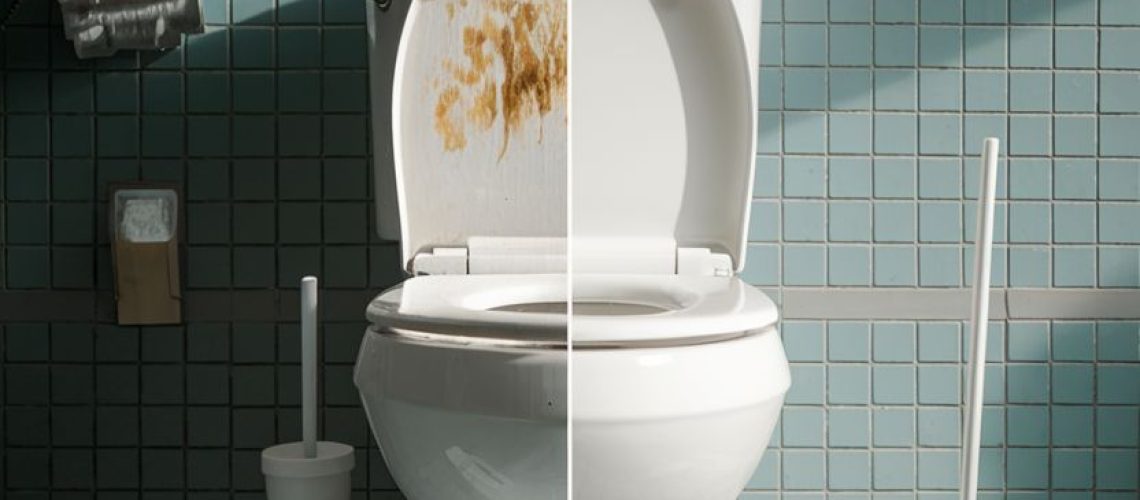
Bathroom Cleaning Hacks That Actually Work: Simple Ways to Keep Your Bathroom Fresh and Spotless
A clean bathroom does more than improve the appearance of your home. It helps control unpleasant odours, reduces the spread of germs and creates a more comfortable space for everyday routines. However, keeping it spotless can feel like a never-ending task, especially when soap scum, hard water stains, mould and unpleasant smells return shortly after cleaning.
The good news is that you do not need expensive cleaning products or hours of scrubbing to maintain a fresh bathroom. With the right techniques, a few everyday supplies and a consistent routine, you can make bathroom cleaning faster and more effective. These bathroom cleaning hacks that actually work focus on practical solutions for common household problems, helping you achieve better results without unnecessary effort.
1. Clean from Top to Bottom
One of the simplest bathroom cleaning hacks is to work from the highest surfaces down to the floor. Dust, hair and cleaning residue naturally fall as you wipe surfaces, so cleaning the floor first often means doing the same job twice.
Start by removing dust from light fixtures, shelves, mirrors and wall corners. Next, clean countertops, taps, sinks, shower walls and the toilet. Finish by sweeping or vacuuming the floor before mopping it.
This method saves time because you collect falling dirt as you work rather than spreading it across surfaces you have already cleaned. It also creates a more organised routine, particularly when you clean several bathrooms in one session.
2. Use Vinegar Carefully to Remove Soap Scum
Soap scum often forms when soap residue combines with minerals in water. Over time, it leaves a cloudy film on shower screens, tiles and taps.
White vinegar can help dissolve some mineral deposits and soap residue. For suitable surfaces, apply a mixture of equal parts white vinegar and water, allow it to sit briefly, then wipe with a soft cloth and rinse thoroughly.
However, vinegar is not suitable for every bathroom surface. Avoid using it on natural stone, such as marble and limestone, because its acidity can damage the finish. It may also damage certain metal finishes and grout, so check the manufacturer’s instructions before applying it.
Never mix vinegar with bleach or bleach-containing cleaners. The combination can release dangerous chlorine gas. When dealing with stubborn deposits, use a commercial bathroom cleaner designed for the specific surface instead.
3. Let Cleaning Products Do the Hard Work
Scrubbing immediately after spraying a surface can make cleaning more difficult than necessary. Many bathroom cleaners need time to loosen dirt, dissolve residue or disinfect effectively.
Apply the appropriate product to the surface and follow the label’s recommended contact time. While it works, clean another area of the bathroom. For example, apply toilet bowl cleaner, wipe the mirror and countertop, then return to the toilet when the instructions allow.
Remember that cleaning and disinfecting are different processes. Cleaning removes dirt, while disinfecting reduces harmful microorganisms when the product is used correctly. For disinfection, follow the stated contact time and ventilation instructions.
Never leave products on surfaces longer than recommended, as this may cause damage rather than improve the results.
4. Make Your Bathroom Mirror Shine Without Streaks
A mirror covered in water spots, toothpaste splashes and fingerprints can make an otherwise clean bathroom look untidy.
For a quick solution, use a clean microfibre cloth and a glass cleaner suitable for mirrors. Spray the product onto the cloth rather than directly onto the mirror to prevent liquid from running behind the edges.
Wipe the surface using overlapping strokes, then buff it with a second dry microfibre cloth. This helps remove streaks and leaves the mirror looking clear.
For everyday maintenance, wipe away toothpaste splashes as soon as you notice them. A few seconds of attention can prevent dried marks from becoming a more frustrating cleaning task later.
5. Tackle Toilet Stains with the Right Technique
Toilet bowls can develop brown rings, mineral deposits and unpleasant odours, particularly in areas with hard water.
Apply a toilet bowl cleaner beneath the rim and around the bowl, following the product instructions. Allow it to work for the recommended period, then scrub beneath the rim and around the waterline using a dedicated toilet brush. Flush when appropriate.
For stubborn mineral stains, choose a product specifically formulated to remove limescale or rust stains. Avoid using abrasive tools that can scratch the porcelain.
Clean the toilet seat, lid, flush button and exterior separately with a suitable household cleaner. Use a dedicated cloth for the toilet and never reuse it on sinks, countertops or other bathroom surfaces.
Also, avoid mixing toilet cleaners with bleach or other chemicals. Some combinations can release toxic gases.
6. Prevent Mould by Controlling Moisture
Bathrooms provide ideal conditions for mould when warm air, moisture and poor ventilation combine. Mould often appears around shower corners, ceiling edges, window frames and damp grout.
The most effective hack is to reduce moisture before mould becomes a persistent problem. Open a window or run an extractor fan during and after bathing. If possible, leave the bathroom door open afterward to improve airflow.
Use a squeegee to remove excess water from shower walls and glass screens. Hang towels fully open rather than leaving them in damp piles, and allow bath mats to dry between uses.
For small areas of mould, use a suitable mould-removal product according to its instructions. Wear appropriate protective equipment and ensure good ventilation. Never paint over mould without addressing the underlying moisture problem.
If mould keeps returning, spreads across a large area or appears alongside persistent leaks, investigate the source of the moisture rather than relying on repeated surface cleaning.
7. Unclog Slow Drains Without Making a Mess
Hair, soap residue and other debris can gradually block bathroom drains, causing water to collect around your feet during a shower.
A simple first step is to remove the drain cover and clear away visible hair while wearing gloves. A plastic drain-cleaning tool can help retrieve debris without requiring harsh chemicals.
Clean the drain cover and surrounding area before replacing the cover. To prevent future blockages, install a hair catcher and empty it regularly.
Avoid combining chemical drain cleaners with other products, including bleach, vinegar or another drain cleaner. Dangerous reactions can occur, and some chemicals can damage pipes. If a blockage persists, a plumber can identify and remove the obstruction safely.
8. Keep Bathroom Taps and Showerheads Free of Deposits
Mineral deposits can make taps look dull and reduce water flow through showerheads. Regular maintenance prevents these deposits from becoming difficult to remove.
Wipe taps with a soft cloth after use to remove water droplets. For mineral buildup, use a cleaner approved for the tap’s material and finish.
If the showerhead has removable mineral deposits, follow its manufacturer’s cleaning instructions. Some models can be detached for soaking in a suitable descaling solution, but others require different treatment.
Avoid using acidic cleaners on sensitive finishes unless the manufacturer confirms they are safe. Once the deposits are removed, rinse the surface thoroughly and dry it with a clean cloth.
9. Eliminate Bathroom Odours at the Source
Air fresheners can temporarily cover unpleasant smells, but they do not necessarily solve the underlying problem.
Start by emptying the bathroom bin, washing the bin when necessary and replacing the liner. Clean the toilet thoroughly, wash damp bath mats and towels, and check drains for trapped hair or residue.
Inspect areas around the toilet and under the sink for leaks or persistent dampness. A musty smell may indicate hidden moisture or mould, while a sewage-like odour may point to a plumbing problem or a dry drain trap.
Keep the bathroom ventilated and allow wet surfaces to dry. Addressing the cause usually provides a more lasting solution than repeatedly spraying fragrance into the air.
10. Follow a Five-Minute Daily Cleaning Routine
The easiest way to keep a bathroom clean is to prevent dirt from accumulating. You do not need to perform a deep clean every day to maintain a tidy space.
Spend a few minutes on these simple tasks:
- Wipe the sink and taps after use.
- Remove toothpaste splashes from the mirror.
- Hang towels properly so they can dry.
- Pick up visible hair and debris from the floor.
- Empty the bin when necessary.
- Squeegee wet shower surfaces after bathing.
Once a week, give the toilet, shower, sink, floor and frequently touched surfaces a more thorough clean. Adjust the frequency according to how many people use the bathroom and how quickly dirt accumulates.
Conclusion
Bathroom cleaning becomes easier when you focus on the causes of common problems rather than repeatedly treating their symptoms. Working from top to bottom, allowing cleaners to work properly, controlling moisture and removing dirt before it builds up can significantly reduce the effort required.
These bathroom cleaning hacks that actually work are practical because they combine simple habits with appropriate cleaning products. You do not need to try every trick at once. Start with two or three techniques that address your bathroom’s biggest problems, then build a routine that fits your schedule.
With consistent maintenance, your bathroom can remain cleaner, fresher and more comfortable without demanding hours of work every week.
