

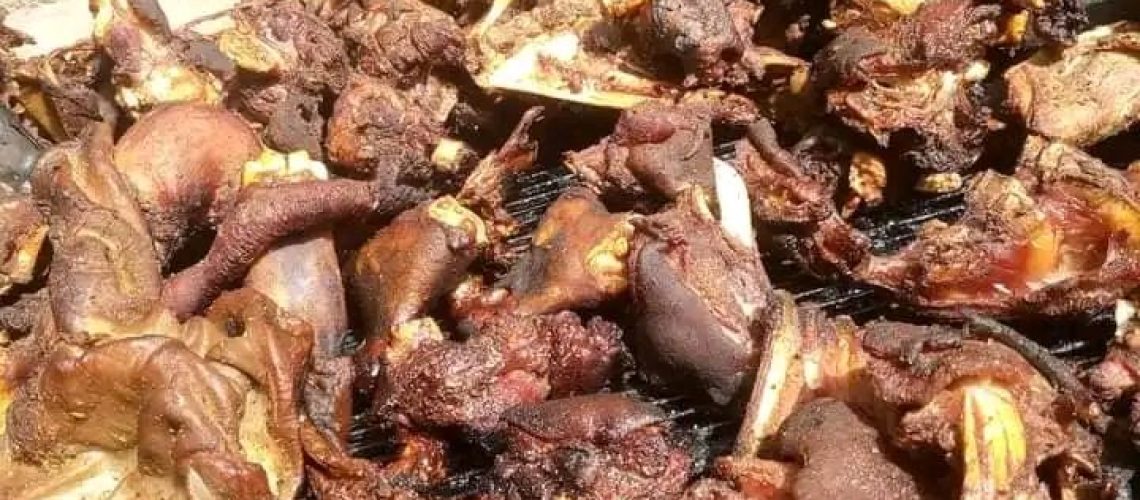
Goat meat is a favourite in many African homes, especially in Nigeria, where it features in pepper soup, goat meat stew, grilled meat, jollof rice accompaniments and special occasion meals.
Its rich flavour and firm texture make it a popular choice for family dinners, celebrations and weekend cooking. However, getting the best out of goat meat starts long before it reaches the cooking pot.
Choosing fresh meat, buying the right cuts, dividing them into useful portions and freezing them correctly can save money, reduce food waste and make meal preparation much easier. Whether you buy goat meat from a local market, a butcher or a supermarket, understanding these basics will help you shop with confidence.
How to Choose Fresh Goat Meat
The quality of goat meat affects its taste, texture and safety. Therefore, pay attention to its appearance, smell, texture and handling conditions before making a purchase.
1. Check the Colour
Fresh goat meat typically has a pinkish-red to deep red colour, depending on the animal’s age and the cut. The surface should look reasonably moist without appearing slimy or excessively wet.
Avoid meat with unusual greenish or grey discolouration, particularly when accompanied by an unpleasant smell or sticky texture. Colour alone cannot confirm whether meat is safe, so consider the other signs as well.
2. Smell the Meat
Fresh goat meat usually has a mild, characteristic meaty smell. It should not smell sour, rotten or strongly unpleasant.
Goat meat can have a distinctive aroma, especially when it comes from a mature animal. However, a sharp, offensive smell is a warning sign. When in doubt, choose another seller rather than risk buying questionable meat.
3. Examine the Texture
Fresh meat should feel firm and slightly moist. If it feels unusually sticky, slimy or mushy, it may have deteriorated.
Also, check whether the seller keeps the meat protected from flies, dust and dirty surfaces. Meat displayed in the open for long periods, particularly in hot weather, may become unsafe even if it initially looks acceptable.
4. Choose the Right Age and Cut
Younger goat meat is generally more tender, while meat from older animals tends to have a stronger flavour and firmer texture. The best option depends on your intended recipe.
For quick grilling, choose suitable tender cuts. For pepper soup, stew and slow-cooked dishes, tougher cuts can work beautifully because longer cooking helps soften the meat.
If you are unsure, tell your butcher what you plan to cook. A knowledgeable seller can recommend appropriate cuts and divide them according to your needs.
Understanding the Best Goat Meat Cuts
Different cuts serve different purposes. Knowing what to buy helps you avoid paying for meat that does not suit your cooking method.
Leg: Leg meat is relatively lean and works well for roasting, grilling and stews. Cut it into manageable pieces for even cooking.
Shoulder: This cut contains muscle and connective tissue, making it suitable for slow cooking, soups and traditional stews.
Ribs: Goat ribs add flavour to pepper soup, grilled dishes and broths. They contain bones, so account for this when estimating portions.
Neck: Neck pieces are excellent for slow-cooked soups and stews. Their connective tissue contributes richness when cooked properly.
Shank: Shank meat benefits from slow cooking because it can be firm initially. It works well in deeply flavoured sauces and soups.
Mixed cuts: Buying a mixture of meat and bones can be economical for pepper soup and family stews. However, ask for a reasonable balance of meat, bone and fat so you receive good value.
How to Portion Goat Meat After Buying
Portioning goat meat means dividing it into quantities that match your usual meals. This simple habit prevents unnecessary thawing and makes everyday cooking more convenient.
1. Decide Your Meal Quantities
Before cutting or packaging the meat, consider how many people you usually feed and the recipes you prepare most often.
For example, a household might create separate portions for a pot of pepper soup, a family stew and a small grilled-meat meal. Your quantities will depend on appetite, the amount of bone in each cut and whether you serve other proteins or side dishes.
For a family that cooks goat meat several times a week, smaller packages may be more practical than one large bag.
2. Separate the Cuts
Divide the meat according to its intended use. Keep suitable grilling pieces together, place soup bones in another package and group stew-sized chunks separately.
This approach allows you to select the right ingredients without sorting through a frozen block. It also makes meal planning easier because you can see what is available before shopping again.
3. Keep Portions Consistent
Try to make each package suitable for one cooking session. Consistent portions help you estimate how much meat remains and reduce the temptation to thaw more than necessary.
Use a kitchen scale if you have one, but you can also estimate portions based on your household’s normal cooking habits. The most important thing is to use a system you can maintain.
4. Trim Carefully
Remove unwanted tissue, excess fat and any visibly dirty material using clean utensils. However, avoid removing every bit of fat if you enjoy the flavour it contributes to your dishes.
Do not wash raw goat meat in a way that splashes water around the kitchen. Raw meat juices can spread harmful bacteria to nearby surfaces, utensils and ready-to-eat foods. If cleaning is necessary, handle the meat carefully and sanitise contaminated surfaces afterwards.
The Right Way to Freeze Goat Meat
Freezing helps preserve goat meat, but it does not make unsafe meat safe. Always start with fresh meat and refrigerate or freeze it promptly after purchase.
1. Package It Properly
Place each portion in a clean freezer bag or suitable airtight container. Remove as much excess air as practical from freezer bags, then seal them securely.
Good packaging reduces exposure to air and helps prevent freezer burn, which can dry out the surface and affect the meat’s quality. Double-bagging may also help prevent leaks, particularly when storing bone-in cuts.
2. Label Every Package
Write the contents and freezing date on each bag. For example, label one package “Goat meat for pepper soup — 14 October.”
Labelling prevents confusion and helps you use older packages first. If you freeze several types of meat, clear labels also reduce the need to open packages unnecessarily.
3. Freeze at the Correct Temperature
Keep your freezer at -18°C or colder. Freeze meat promptly rather than leaving it on the kitchen counter while you finish other tasks.
A full freezer may maintain its temperature more consistently, but avoid packing meat so tightly that air cannot circulate while fresh portions are freezing. Once the meat is frozen solid, arrange the packages neatly.
4. Know How Long Frozen Goat Meat Lasts
At a constant temperature of -18°C or below, goat meat can remain safe indefinitely from a temperature-control perspective, provided it was handled safely before freezing and stays continuously frozen. However, its flavour and texture gradually decline.
For best quality, use whole cuts of red meat within approximately four to twelve months. Smaller cut pieces may also maintain good quality for several months when properly packaged. These are quality guidelines, not guarantees of safety; the condition of the meat before freezing remains important.
How to Thaw Goat Meat Safely
Never leave frozen goat meat on the counter overnight. The outside can reach temperatures that encourage bacterial growth while the centre remains frozen.
The safest method is to transfer the package to the refrigerator and allow it to thaw gradually. Place it in a bowl or tray to catch any leaking juices.
If you need meat sooner, seal it in a leak-proof bag and submerge it in cold water, changing the water every 30 minutes. Cook it immediately after thawing this way. You can also use a microwave’s defrost setting, provided you cook the meat immediately afterwards.
Goat meat thawed in the refrigerator can generally be refrozen without cooking, although its quality may decline. Meat thawed using cold water or a microwave should be cooked before refreezing. Never refreeze meat that has been left at room temperature for too long.
When cooking, use a food thermometer where possible. Whole cuts of goat meat should reach at least 63°C, followed by a three-minute rest, while ground goat meat should reach 71°C. For tough cuts intended for soups and stews, cook longer until the meat becomes tender.
Final Thoughts
Buying and storing goat meat like a pro does not require expensive equipment or complicated techniques. You simply need to choose fresh meat, select cuts that suit your recipes, divide them into practical portions and package them carefully before freezing.
For busy households, these habits make weekly cooking easier and reduce unnecessary waste. They also help you manage your food budget because you can buy strategically, track what remains and prepare meals without returning to the market every few days.
The next time you buy goat meat, think beyond the price per kilogram. Consider the quality, the balance of meat and bone, the meals you intend to prepare and the storage space available at home. With a little planning, every purchase can go further, and every meal can be more convenient, flavourful and satisfying.
