

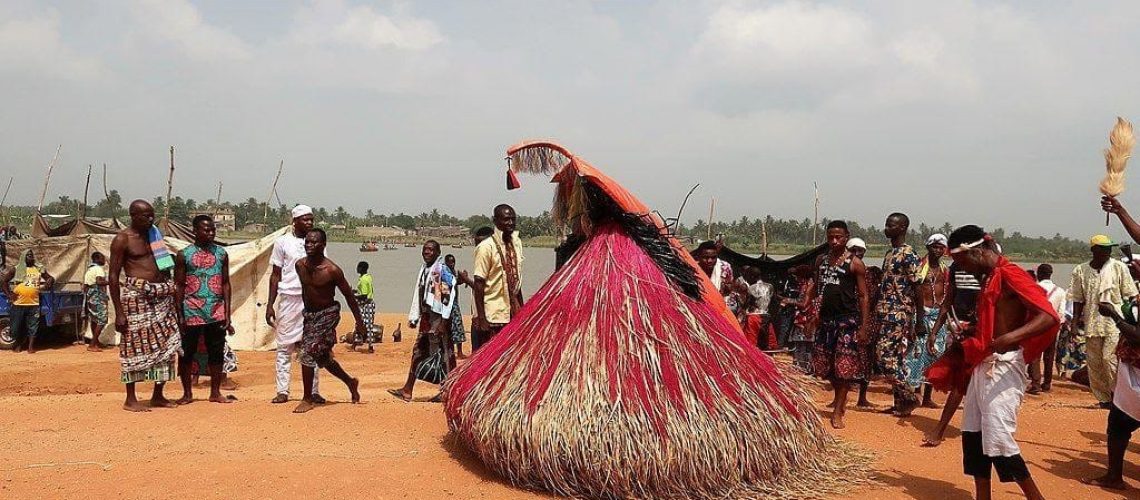
Cultural Festivals Worth Experiencing: Celebrating Africa’s Rich Heritage
Africa is home to thousands of ethnic groups, each with its own traditions, languages, customs, and celebrations. Throughout the year, cultural festivals bring these traditions to life through colorful parades, energetic dances, traditional music, storytelling, food, fashion, and ceremonies passed down through generations.
These festivals do more than entertain visitors. They preserve cultural identity, strengthen community ties, promote tourism, and support local economies. Whether held in bustling cities or remote villages, African cultural festivals offer unforgettable experiences that connect people with history and tradition.
If you’re looking for authentic travel experiences, these cultural festivals deserve a place on your bucket list.
Why Cultural Festivals Matter
Cultural festivals are living expressions of a community’s heritage. They provide opportunities for older generations to pass traditions to younger ones while welcoming visitors from around the world.
These celebrations help:
- Preserve indigenous customs and languages.
- Promote unity among communities.
- Encourage cultural exchange.
- Support local artisans and businesses.
- Boost domestic and international tourism.
- Showcase African creativity and innovation.
As Africa’s tourism industry continues to grow, cultural festivals remain one of the continent’s greatest attractions.
1. Durbar Festival (Nigeria)
Held primarily in northern Nigerian cities such as Kano, Katsina, Zaria, and Bauchi, the Durbar Festival is one of Africa’s most spectacular cultural celebrations.
Traditionally celebrated during Eid festivities, the festival features:
- Magnificent horse parades
- Traditional royal processions
- Colorful embroidered attire
- Military displays
- Cultural performances
Thousands gather to witness beautifully decorated horses ridden by skilled horsemen who pay homage to traditional rulers.
The Durbar reflects centuries of Hausa-Fulani heritage and remains one of Nigeria’s most iconic cultural events.
2. Osun-Osogbo Festival (Nigeria)
Every year, thousands of worshippers and tourists travel to Osogbo in Osun State to celebrate the Osun-Osogbo Festival.
Recognized by UNESCO, the festival honors Osun, the Yoruba goddess of fertility and rivers.
Visitors experience:
- Sacred rituals
- Traditional music
- Yoruba dances
- Artistic performances
- Cultural processions
- Visits to the sacred Osun Grove
The festival beautifully combines spirituality, culture, and environmental conservation.
3. Timkat Festival (Ethiopia)
Timkat is Ethiopia’s celebration of Epiphany and one of the country’s largest religious festivals.
Participants wear traditional white garments while priests carry beautifully decorated replicas of the Ark of the Covenant through the streets.
Highlights include:
- Water blessing ceremonies
- Religious processions
- Traditional singing
- Community feasts
- Historical reenactments
The atmosphere is both deeply spiritual and joyful.
4. Gerewol Festival (Niger)
The Gerewol Festival is celebrated by the Wodaabe people of Niger.
Unlike many festivals around the world, this celebration places men at the center of elaborate beauty competitions.
Participants spend hours decorating themselves with:
- Facial paint
- Colorful clothing
- Beaded accessories
- Feathers
- Jewelry
They then perform traditional dances and songs while women choose the most attractive performers.
The festival offers visitors a unique insight into Wodaabe traditions and social customs.
5. FESPACO (Burkina Faso)
The Pan-African Film and Television Festival of Ouagadougou, widely known as FESPACO, is Africa’s largest film festival.
Held every two years, it celebrates African storytelling through cinema.
Visitors can enjoy:
- Film premieres
- Director discussions
- Cultural exhibitions
- Music performances
- Workshops
- Networking events
FESPACO has played a major role in promoting African filmmakers on the global stage.
6. Cape Town Minstrel Carnival (South Africa)
Known locally as the “Kaapse Klopse,” this vibrant festival fills the streets of Cape Town with music and color every January.
Participants wear dazzling costumes and perform:
- Jazz music
- Choral singing
- Dance routines
- Drum performances
The carnival has historical roots dating back centuries and reflects the city’s multicultural heritage.
7. Lake of Stars Festival (Malawi)
Combining music, art, culture, and tourism, the Lake of Stars Festival takes place along the shores of Lake Malawi.
Artists from across Africa and beyond perform alongside local musicians.
Festival activities include:
- Live concerts
- Cultural exhibitions
- Art displays
- Local cuisine
- Beach activities
It offers visitors an opportunity to experience both modern African creativity and natural beauty.
8. Festival au Désert (Mali)
Although security concerns have affected its traditional location in recent years, Festival au Désert remains one of Africa’s most celebrated music festivals.
Originally held in the Sahara Desert, it brought together musicians from across the continent.
The festival celebrated:
- Tuareg culture
- Desert traditions
- African music
- Poetry
- Storytelling
- Cultural dialogue
Its legacy continues through performances hosted in different locations.
9. Homowo Festival (Ghana)
The Ga people of Ghana celebrate Homowo to commemorate overcoming famine through resilience and successful harvests.
The festival includes:
- Traditional drumming
- Street processions
- Dancing
- Family gatherings
- Special meals
- Blessing ceremonies
Homowo serves as a reminder of perseverance and gratitude.
10. Festival of the Sahara (Tunisia)
Held in Douz, often called the “Gateway to the Sahara,” this festival celebrates desert life and Bedouin traditions.
Visitors witness:
- Camel racing
- Falconry
- Traditional music
- Horse riding competitions
- Handicraft exhibitions
- Desert performances
The festival showcases the rich cultural heritage of North Africa’s desert communities.
Experiences Beyond the Performances
While music and dance attract many visitors, cultural festivals also provide opportunities to explore everyday life.
During these celebrations, visitors can:
- Taste authentic local cuisine.
- Purchase handmade crafts.
- Learn traditional dances.
- Meet local artisans.
- Hear oral histories from community elders.
- Discover indigenous fashion and textiles.
These interactions create meaningful travel experiences that go far beyond sightseeing.
Tips for Attending African Cultural Festivals
Planning ahead can help you make the most of your experience.
- Research festival dates early, as some follow traditional calendars.
- Respect local customs, dress codes, and sacred ceremonies.
- Ask permission before photographing people.
- Support local vendors by purchasing authentic handmade products.
- Stay hydrated and prepare for varying weather conditions.
- Hire knowledgeable local guides to better understand the cultural significance of events.
- Learn a few greetings in the local language to connect with residents.
Following these simple practices helps visitors enjoy the celebrations respectfully while supporting host communities.
The Growing Role of Cultural Tourism
Cultural tourism has become an important driver of economic development across Africa. Festivals create seasonal employment for performers, artisans, guides, transport providers, accommodation businesses, restaurants, and market vendors.
Moreover, governments and tourism boards increasingly recognize these events as opportunities to showcase national identity, attract investment, and preserve cultural heritage. As a result, many festivals now blend traditional ceremonies with modern exhibitions, educational programs, and international collaborations, making them appealing to both local and global audiences.
Conclusion
Africa’s cultural festivals offer far more than colorful entertainment. They provide a window into the continent’s diverse histories, values, and traditions while bringing communities together in celebration. From the royal horse parades of northern Nigeria to the sacred rituals of Osun-Osogbo, the cinematic brilliance of FESPACO, and the desert traditions of Tunisia, each festival tells a unique story.
Whether you are an adventurous traveler, a culture enthusiast, or someone eager to better understand Africa’s remarkable diversity, experiencing these festivals can leave lasting memories and a deeper appreciation for the continent’s rich heritage. As you plan your next journey, consider timing your visit around one of these extraordinary celebrations, you may discover that the heartbeat of Africa is best felt through its festivals.
