

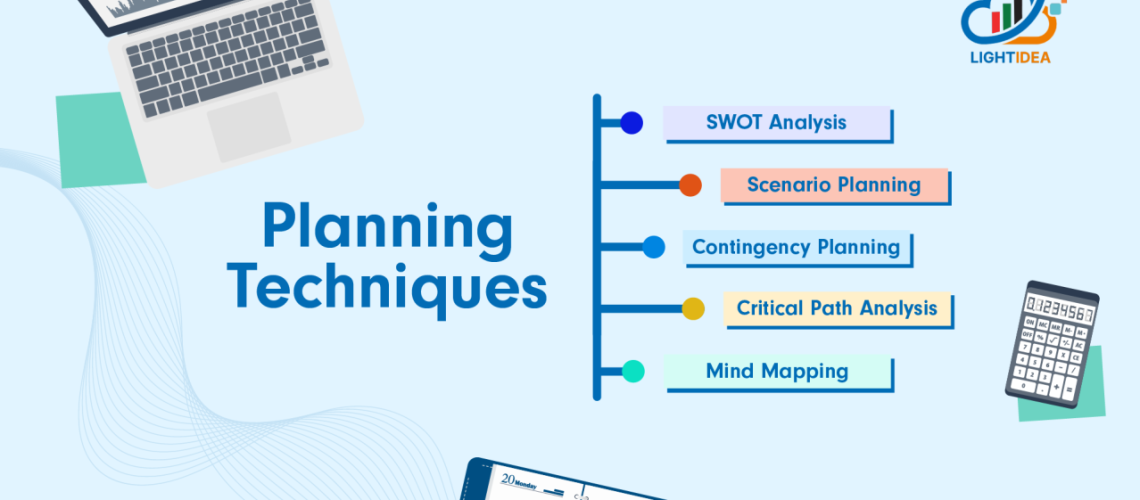
Effective Planning Techniques: A Practical Guide to Achieving Your Goals
Success rarely happens by chance. Whether you are managing a business, organizing your family, pursuing a career, or planning a personal project, effective planning provides the direction needed to achieve meaningful results. Across Africa, where entrepreneurs, professionals, students, and families often navigate rapidly changing economic and social environments, planning has become an essential life skill rather than an optional one.
Effective planning helps you anticipate challenges, allocate resources wisely, and stay focused on priorities. Instead of reacting to every situation as it arises, you create a roadmap that guides your decisions and actions. This approach saves time, reduces stress, and increases the likelihood of reaching your objectives.
This article explores practical planning techniques that anyone can use to improve productivity, make better decisions, and achieve long-term success.
Why Planning Matters
Planning is the process of deciding what needs to be done, how it will be accomplished, when it should happen, and who will be responsible. Good planning transforms ideas into actionable steps.
Effective planning offers several important benefits:
- Provides clear direction and purpose.
- Improves time management.
- Reduces uncertainty and unnecessary risks.
- Helps prioritize important tasks.
- Makes it easier to measure progress.
- Increases confidence and motivation.
- Encourages better financial and resource management.
Whether you are launching a small business in Lagos, preparing for university exams in Nairobi, or managing a household in Accra, planning helps you stay organized and productive.
Start with Clear Goals
Every successful plan begins with clearly defined goals. Without knowing your destination, it becomes difficult to determine the right path.
Use the SMART framework when setting goals:
- Specific: Clearly define what you want to accomplish.
- Measurable: Establish indicators that track progress.
- Achievable: Set realistic expectations.
- Relevant: Align goals with your priorities.
- Time-bound: Set a deadline for completion.
For example, instead of saying, “I want to grow my business,” a SMART goal would be:
“Increase monthly sales by 20% within six months by expanding online marketing and improving customer service.”
Specific goals make planning much easier.
Break Large Goals into Smaller Tasks
Large projects often feel overwhelming. Breaking them into manageable steps makes progress more achievable.
For example, if your goal is to build a new business website, divide it into tasks such as:
- Register a domain name.
- Purchase hosting.
- Design the homepage.
- Create service pages.
- Add contact information.
- Test the website.
- Launch the site.
Completing smaller tasks builds momentum and keeps motivation high.
Prioritize What Matters Most
Not every task deserves equal attention. Effective planners identify high-impact activities and complete them first.
A simple prioritization method divides tasks into four categories:
Urgent and Important
Complete these immediately.
Examples include:
- Meeting project deadlines
- Responding to customer emergencies
- Paying critical bills
Important but Not Urgent
Schedule these activities because they contribute to long-term success.
Examples include:
- Learning new skills
- Business planning
- Financial budgeting
- Health and exercise
Urgent but Less Important
Whenever possible, delegate these tasks.
Neither Urgent nor Important
Limit or eliminate activities that waste valuable time, such as excessive social media scrolling or unnecessary meetings.
Prioritization ensures your energy goes toward activities that create meaningful results.
Create a Realistic Schedule
Planning only becomes useful when tasks are assigned to specific dates and times.
Use tools such as:
- Daily planners
- Weekly calendars
- Digital scheduling apps
- Project management software
- Wall calendars
Avoid filling every minute of your schedule. Instead, leave room for unexpected events and necessary breaks.
A realistic schedule is easier to maintain than an overly ambitious one.
Use Time Blocking
Time blocking involves assigning dedicated periods for specific activities instead of constantly switching between tasks.
For example:
8:00–9:00 AM: Email responses
9:00–11:00 AM: Project work
11:00–12:00 PM: Meetings
2:00–4:00 PM: Research and planning
This technique improves concentration while reducing distractions.
Prepare for Challenges
Even the best plans encounter obstacles. Effective planners identify potential risks early and prepare backup solutions.
Ask yourself:
- What could delay this project?
- What resources might become unavailable?
- How can I respond if circumstances change?
Businesses across Africa often adapt to changing market conditions by maintaining emergency funds, diversifying suppliers, and using digital tools to reach customers.
Flexibility strengthens every plan.
Review Your Progress Regularly
Planning is an ongoing process rather than a one-time activity.
Review your progress weekly or monthly by asking:
- Have I completed my planned tasks?
- What worked well?
- What challenges did I face?
- What should I improve next week?
Regular reviews help you adjust your strategy before small problems become major setbacks.
Write Everything Down
Many people rely on memory, but written plans improve consistency and accountability.
Keep records of:
- Goals
- Deadlines
- Budgets
- Project milestones
- Meeting notes
- Daily priorities
Writing things down reduces mental overload and keeps important information organized.
Learn to Delegate
Trying to do everything yourself often slows progress.
Delegating appropriate responsibilities allows you to focus on high-value work.
Business owners can assign administrative duties to staff, while families can share household responsibilities among members.
Delegation increases efficiency and develops teamwork.
Use Digital Planning Tools
Technology has made planning more convenient than ever.
Popular planning tools include:
- Google Calendar
- Microsoft To Do
- Trello
- Notion
- Asana
- ClickUp
These applications allow users to create reminders, organize projects, collaborate with teams, and track deadlines from virtually anywhere.
For individuals and businesses across Africa, mobile planning apps provide affordable solutions that improve organization and productivity.
Build Daily Planning Habits
Consistency produces better results than occasional bursts of motivation.
Develop simple habits such as:
- Planning tomorrow before ending today’s work.
- Reviewing your goals every morning.
- Listing your three most important tasks.
- Updating your progress every evening.
- Reflecting on weekly achievements.
Small daily habits gradually create long-term success.
Common Planning Mistakes to Avoid
Many plans fail because of avoidable mistakes.
These include:
- Setting unrealistic goals.
- Ignoring deadlines.
- Failing to prioritize.
- Trying to multitask constantly.
- Not reviewing progress.
- Refusing to adapt when circumstances change.
- Overcommitting to too many projects at once.
Recognizing these pitfalls helps you create stronger, more effective plans.
Planning in the African Context
Planning is becoming increasingly important across Africa as economies diversify and digital opportunities expand. Entrepreneurs, freelancers, farmers, students, and professionals all benefit from structured planning.
For example:
- Small businesses can forecast inventory needs and manage cash flow more effectively.
- Farmers can plan planting seasons based on weather forecasts and market demand.
- Students can organize study schedules to prepare for examinations.
- Families can budget for education, healthcare, and emergencies.
- Community organizations can coordinate projects that improve local development.
As access to technology continues to grow across the continent, planning tools are becoming more accessible to people from all walks of life.
Conclusion
Effective planning is one of the most valuable skills anyone can develop. It transforms goals into practical actions, improves productivity, and helps individuals and organizations navigate uncertainty with greater confidence.
Success is not simply about working harder, it is about working smarter. By setting clear goals, prioritizing tasks, managing time wisely, reviewing progress, and remaining flexible, you can achieve better outcomes in your personal life, career, or business.
No matter where you are in your journey, start with a simple plan today. Small, consistent actions, guided by thoughtful planning, often lead to extraordinary results over time.
