

Building a Fair Contribution System for Shared Food Purchases
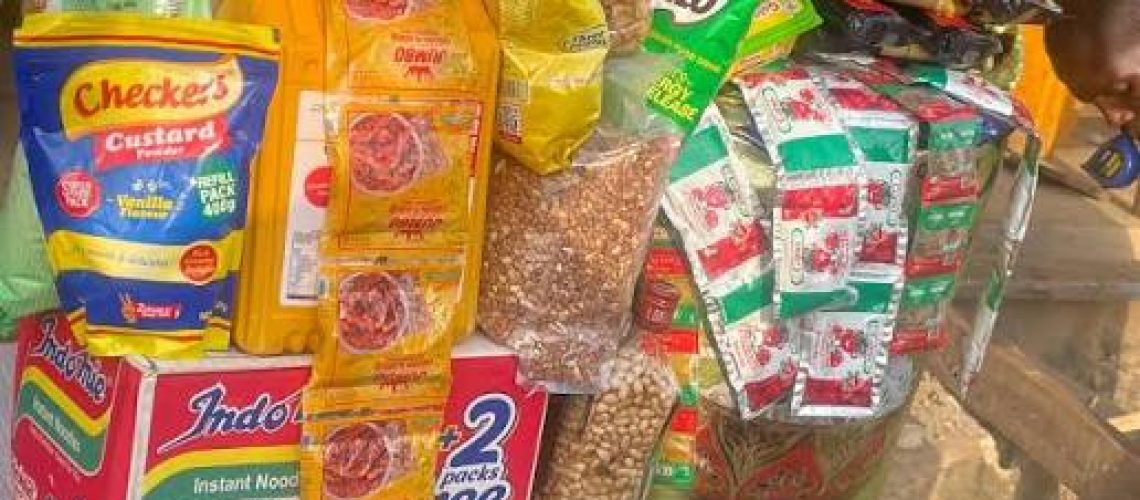
Shared food purchases can be a smart way for families, friends, roommates, colleagues, and community groups to reduce costs and make household shopping easier. Buying items such as rice, beans, cooking oil, onions, seasoning, or other staples together can provide better value than everyone purchasing separately.
However, shared buying can quickly become complicated when people contribute different amounts, have different needs, or disagree about how expenses should be divided. Without a clear system, a simple bulk purchase can lead to misunderstandings and unnecessary tension.
A fair contribution system solves this problem by making responsibilities clear before anyone contributes money.
Why a Fair Contribution System Matters
The main purpose of a contribution system is to create transparency. Everyone should understand how much they are expected to pay, what their contribution covers, and when payment is due.
This becomes particularly important when food prices change frequently. If a group agrees to buy a large quantity of food and the final price is higher than expected, people need to know how the additional cost will be handled.
A good system also reduces the likelihood of one person carrying the financial burden for everyone else.
Start by Defining What the Group Needs
Before collecting money, determine exactly what the group plans to buy.
Create a simple shopping list that includes:
- The food item
- Quantity required
- Estimated price
- Number of people contributing
- Expected contribution per person
- Possible transportation or delivery costs
For example, a group may decide to purchase rice, beans, vegetable oil, and other household staples together.
Having a written list makes it easier to calculate the total cost and prevents unnecessary purchases.
Decide Whether Contributions Should Be Equal
Equal contributions are suitable when everyone receives roughly the same quantity of food. For example, if five roommates agree to buy food that will be shared equally, dividing the total cost by five may be the simplest approach.
However, equal contributions are not always fair.
One person may live alone while another contributes to a larger family. Another person may consume certain food items more frequently. In such situations, dividing everything equally could make some members pay more than their actual share.
The goal should be fairness rather than simply making every contribution identical.
Consider Contribution Based on Quantity
Another option is to allow people to contribute according to the amount they want to receive.
Suppose a group buys a large bag of rice and divides it into smaller portions. Someone who wants 10 kilograms should pay more than someone who wants 5 kilograms.
This method works particularly well for bulk food sharing because people can benefit from wholesale prices without being forced to purchase quantities they do not need.
The group can calculate the price per kilogram or other unit and use that figure to determine each person’s share.
Include Additional Costs
Food prices are not always the only expenses involved in a shared purchase.
The group may also need to pay for:
- Transportation
- Delivery
- Packaging
- Storage
- Loading and unloading
- Market service charges
These costs should be discussed before money is collected.
For example, if a group spends ₦200,000 on food and another ₦10,000 on transportation, the contribution should normally account for the full ₦210,000 unless someone has agreed to cover the transportation separately.
Small additional costs can create major disagreements when they are not communicated clearly.
Set a Payment Deadline
A contribution system should have a clear payment deadline.
Instead of repeatedly asking people when they intend to pay, establish a specific date.
For example:
Payment deadline: Friday, 5:00 p.m.
This gives everyone enough time to prepare and allows the person responsible for purchasing to know how much money is actually available.
If someone cannot meet the deadline, they should communicate early rather than waiting until the shopping day.
Keep Contribution Records
Transparency becomes easier when contributions are recorded.
A simple spreadsheet, notebook, or shared digital document can show:
| Contributor | Expected | Paid | Balance |
|---|---|---|---|
| Person A | ₦20,000 | ₦20,000 | ₦0 |
| Person B | ₦20,000 | ₦15,000 | ₦5,000 |
| Person C | ₦20,000 | ₦20,000 | ₦0 |
The purpose is not to embarrass anyone. It is simply to make the financial situation visible and reduce confusion.
For larger groups, digital payment records can make tracking even easier.
Agree on What Happens When Prices Change
Food prices can change between the time an estimate is made and the day the purchase takes place.
The group should decide in advance what happens if the final price is higher or lower than expected.
Possible options include:
- Everyone contributes a small additional amount.
- The group reduces the quantity purchased.
- The difference is divided according to each person’s share.
- Any remaining money is kept for the next purchase.
Having this agreement beforehand prevents arguments when unexpected costs arise.
Create Rules for Late or Missing Contributions
Not everyone will always be able to contribute on time.
Rather than handling each situation emotionally, establish simple rules.
For example, someone who has not paid by the deadline may not be included in that particular purchase. Alternatively, the group may allow a short extension if the person communicates their situation in advance.
The important thing is consistency.
Rules should apply to everyone rather than being changed depending on who is involved.
Keep Personal and Group Money Separate
If one person is responsible for collecting contributions, they should keep the money separate from their personal spending funds.
This makes accounting easier and helps build trust.
After the purchase, the person managing the money can provide a simple summary showing:
- Total money collected
- Total spent
- Transportation or other costs
- Remaining balance
- How the balance will be handled
Clear records make shared purchasing more professional and sustainable.
Review the System After Each Purchase
The first contribution system may not be perfect.
After completing a purchase, ask the group what worked and what caused difficulties.
Perhaps the payment deadline was too short. Maybe transportation costs were underestimated. Perhaps equal contributions did not accurately reflect what people received.
Use these experiences to improve the next purchase.
Over time, the group can develop a contribution system that is simple, predictable, and fair.
Make Fairness the Main Principle
A successful shared food purchasing system should not focus only on collecting money. It should also consider what each person receives and what they can reasonably afford to contribute.
Fairness can mean equal payments in one situation and proportional payments in another.
The best system is one that everyone understands before the purchase begins.
Final Thoughts
Shared food purchases can help households, friends, roommates, and communities save money and reduce the stress of shopping. However, the financial side needs structure.
By defining what will be purchased, choosing an appropriate contribution method, including additional costs, setting deadlines, keeping accurate records, and agreeing on how unexpected expenses will be handled, groups can make bulk food sharing much easier.
A clear contribution system does more than organize money. It builds trust, accountability, and cooperation, turning shared food purchases into a practical way for people to support one another.
