

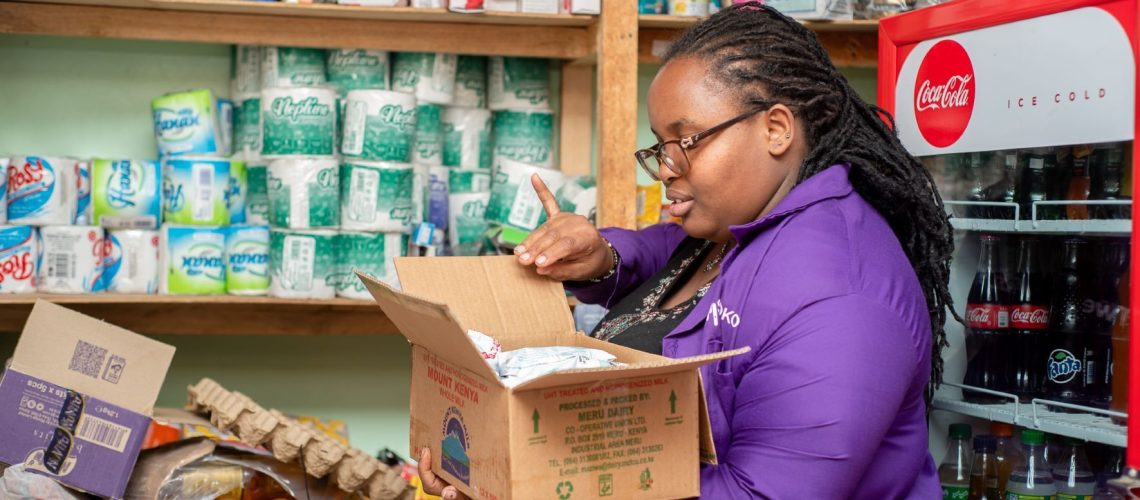
For decades, wholesalers have been an essential link between manufacturers, importers, farmers, and retailers across Africa.
From large distribution centers to busy open markets, wholesalers have helped move everything from food and household goods to clothing, electronics, and personal-care products into communities.
However, the traditional wholesaler is changing. Retailers now have access to digital marketplaces, direct-to-manufacturer purchasing, mobile payment systems, improved logistics services, and increasingly sophisticated supply chains. Consumers also expect products to be available quickly, consistently, and at competitive prices.
These changes are forcing African wholesalers to rethink their role. Instead of simply buying goods in large quantities and reselling them, many are becoming distributors, logistics partners, market intelligence providers, and technology-enabled businesses.
From Middlemen to Supply Chain Partners
Traditionally, wholesalers operated as intermediaries. They purchased products in bulk, stored them, and sold smaller quantities to retailers.
This model remains important, particularly in markets where small retailers do not have enough capital or storage capacity to purchase directly from manufacturers.
Yet today’s wholesalers increasingly provide additional services. Some arrange transportation, manage inventory, offer credit to trusted retailers, and help businesses access products that would otherwise be difficult to source.
This makes the wholesaler less of a simple middleman and more of a supply-chain partner.
Digital Technology Is Changing Wholesale Trade
Technology is one of the biggest forces transforming wholesale operations. Mobile phones and online platforms allow wholesalers to communicate with retailers, receive orders, confirm payments, monitor deliveries, and manage customer relationships without relying entirely on physical visits.
Digital wholesale marketplaces are also making it easier for small retailers to compare products and prices. A shop owner can increasingly place an order remotely rather than spending hours travelling to a major commercial market.
For wholesalers, this creates both an opportunity and a challenge. Businesses that adopt technology can serve more customers efficiently, while those relying entirely on traditional methods may struggle to compete.
Better Logistics Are Expanding Their Reach
Logistics is another area where the role of wholesalers is evolving. African retailers often face challenges related to transportation costs, road conditions, fragmented distribution networks, and inconsistent delivery schedules.
Wholesalers that can solve some of these problems have an important competitive advantage. A modern wholesaler may coordinate deliveries across multiple retailers, consolidate shipments, track orders, and create predictable delivery schedules.
This is particularly valuable for small shops that cannot justify maintaining their own delivery networks.
Wholesalers Still Matter to Small Retailers
Despite the growth of e-commerce and direct purchasing, wholesalers remain extremely important to Africa’s retail economy.
Small neighborhood shops often operate with limited working capital. Purchasing directly from manufacturers may require large minimum orders, significant transportation expenses, or complicated supplier relationships.
Wholesalers make the process more accessible by breaking large quantities into smaller units.
For example, a neighborhood retailer may not need a truckload of beverages or cartons of household products. A wholesaler can purchase those products in bulk and distribute manageable quantities to several smaller businesses.
This flexibility helps keep local retail businesses operating.
The Rise of Data-Driven Wholesaling
Another major change is the growing importance of information.
Successful wholesalers increasingly need to understand what retailers are buying, which products are moving quickly, when demand changes, and how prices are shifting.
Sales records and digital ordering systems can help wholesalers identify these patterns.
Instead of simply reacting to orders, they can use information to anticipate demand and improve inventory management.
For example, if a wholesaler notices that a particular household product sells significantly faster during certain periods, it can increase stock before demand rises.
This reduces the likelihood of stockouts while limiting unnecessary inventory.
Credit and Financial Services
Access to finance remains a major issue for many small African retailers. Wholesalers have historically played an informal role in providing goods on credit to trusted customers.
That role is also evolving.
Digital payment systems and financial technology can make it easier to record transactions, assess purchasing patterns, and manage credit arrangements.
Responsible credit can help retailers maintain inventory even when their cash flow is temporarily tight. For wholesalers, however, lending also creates risks. Strong record-keeping and clear repayment systems are increasingly important.
Local Knowledge Remains a Competitive Advantage
Technology may change wholesale operations, but local market knowledge remains extremely valuable.
Wholesalers often understand neighborhood demand, consumer preferences, seasonal buying patterns, and the reliability of individual retailers.
A large international company may have sophisticated technology, but a local wholesaler can sometimes understand the realities of a particular market much better.
This knowledge allows wholesalers to identify products that are likely to sell and respond quickly when market conditions change.
The Growing Importance of Regional Trade
The expansion of African regional trade is also creating new possibilities for wholesalers.
The African Continental Free Trade Area aims to increase trade among African countries by reducing barriers and encouraging greater economic integration.
As regional commerce develops, wholesalers can potentially become important links between producers and retailers across national borders.
A wholesaler in one country could source products from another African market and distribute them to retailers locally. However, achieving this efficiently still requires reliable transportation, customs processes, warehousing, financing, and regulatory compliance.
Competition Is Becoming More Intense
The changing wholesale sector is not without challenges.
Manufacturers increasingly have the ability to sell directly to retailers. E-commerce platforms can connect suppliers and buyers without traditional intermediaries. Large retailers may also negotiate directly with producers because of their purchasing power.
As a result, wholesalers cannot depend solely on their position between manufacturers and retailers.
They must demonstrate value.
Competitive wholesalers may differentiate themselves through faster delivery, reliable stock availability, flexible order sizes, customer service, financing options, product knowledge, or specialized distribution.
What the Future Looks Like
The future African wholesaler is likely to be more connected, data-driven, and service-oriented.
Warehouses may become increasingly integrated with digital ordering systems. Mobile payments can make transactions faster. Logistics technology can improve delivery visibility. Data can help wholesalers forecast demand and manage stock more effectively.
At the same time, traditional markets are unlikely to disappear overnight. Physical markets, personal relationships, negotiation, and informal business networks remain important parts of African commerce.
The most successful wholesalers may therefore be those that combine the strengths of both worlds: the trust and local knowledge of traditional trade with the efficiency of modern technology.
Conclusion
Wholesalers continue to play a critical role in African retail, but their responsibilities are expanding. They are no longer simply businesses that buy products cheaply and resell them in larger quantities. Increasingly, they are helping retailers manage inventory, access finance, organize deliveries, understand market demand, and connect with wider supply networks.
As African retail becomes more digital and interconnected, wholesalers that embrace technology while maintaining strong relationships with local businesses will be well positioned to remain valuable.
The wholesale sector is not disappearing. It is evolving from a traditional distribution function into a more sophisticated part of Africa’s modern retail ecosystem.
